
Think you need hours to make a homemade cobbler? Think again.
In 30 minutes you can go from pantry to a steaming, golden-top cobbler using a boxed mix and a few simple tricks.
This quick guide shows the five-minute prep, fruit into the pan, dry mix on top, dots of cold butter, and the little fixes that stop runny filling and make the topping crisp or cakey.
Ready to turn canned or frozen fruit into a crowd-pleaser?
Quick Step‑by‑Step Method for Making Cobbler from a Mix

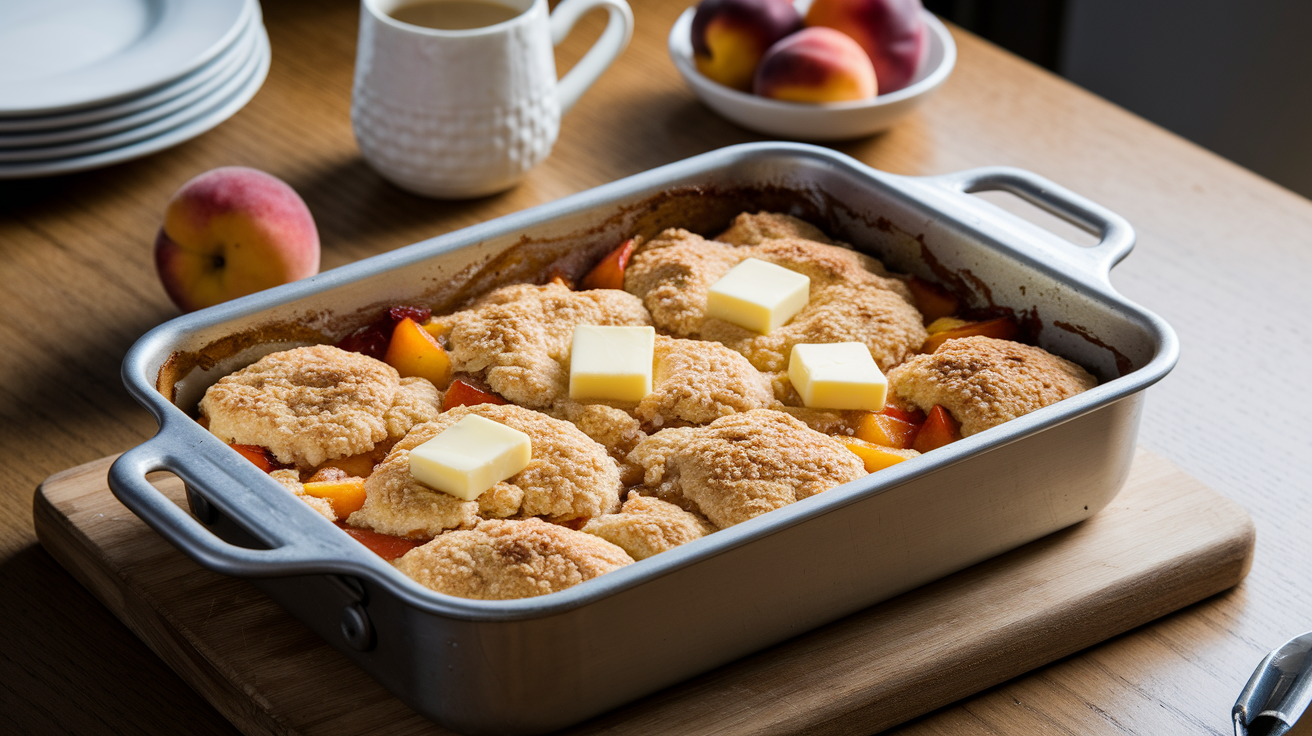
Making cobbler from a mix is basically dump and bake. You’re looking at maybe 5 minutes of actual work. Pour fruit into a pan, scatter dry mix on top, dot with butter, and you’re done. That’s it.
The dry mix sits there and soaks up fruit juices while it bakes. You end up with a golden, crunchy top layer and bubbling fruit underneath. Cold butter (sliced thin or grated) melts into the mix and crisps it up instead of turning everything gummy. The fruit syrup sweetens and thickens on its own, so there’s no separate filling step.
Most recipes call for a 9×13 pan and 350°F for 50 to 55 minutes. Watch the edges. When the fruit bubbles all the way to the center and the topping turns deep gold with some darker spots, it’s ready. Let it sit for 15 to 20 minutes so the juices can thicken before you scoop.
-
Preheat the oven to 350°F and grease a 9×13 baking dish with butter or cooking spray.
-
Pour two to three 15-ounce cans of fruit (syrup and all) into the dish. Don’t drain them unless the recipe tells you to.
-
Sprinkle one box of dry cobbler or cake mix evenly across the fruit. Ignore whatever the box says about mixing.
-
Cut 1½ sticks (12 tablespoons) of cold unsalted butter into thin slices and lay them across the surface, covering as much dry mix as you can.
-
Bake for 50 to 55 minutes until the topping is golden brown and the fruit bubbles in the center, not just around the edges.
-
Cool on the counter for 15 to 20 minutes so the juices settle and thicken.
This works with any boxed cake mix (yellow, white, lemon, spice) and any canned, frozen, or fresh fruit once you adjust the liquid. The trick is layering everything in order and not stirring it together.
Choosing Fruits When Making Cobbler from a Mix

Canned fruit is the easiest route because the syrup brings moisture and sweetness without any extra steps. Heavy syrup gives you a thick, gooey filling. Light syrup cuts down on sugar. Pour the whole can (fruit and syrup) into the dish. The syrup helps the cobbler bubble and turns jammy as it bakes. If one can looks super watery, drain that one but keep the syrup from the others.
Fresh fruit needs a little more attention. Fresh peaches, apples, or berries release juice as they bake, but they don’t come with built-in syrup. Toss fresh peaches with ½ cup sugar and 2 tablespoons cornstarch, then let them sit for 30 minutes to macerate. Macerating just means the fruit sits with sugar so it gets juicy and the sugar dissolves. For 6 cups of fresh fruit, mix in ½ cup water to replace the missing syrup. Frozen fruit can go straight into the dish if you’re using it frozen. Just add 5 to 10 minutes to the bake time. If you thaw frozen fruit first, drain most of the liquid and add 1 tablespoon cornstarch to the fruit before you assemble.
Canned fruit with syrup goes directly into the dish. Keeps everything moist and sweet.
Fresh fruit gets tossed with sugar and cornstarch. Let it sit 30 minutes. Add ½ cup water or juice.
Frozen fruit (still frozen) can be used straight from the freezer. Increase bake time by 5 to 10 minutes.
Frozen fruit (thawed) needs most of the liquid drained. Stir in 1 to 2 tablespoons cornstarch before layering.
Very juicy fruit (like ripe berries) needs an extra tablespoon of cornstarch or quick-cooking tapioca to prevent a soupy filling.
Thickening the Fruit Filling When Using a Store‑Bought Cobbler Mix
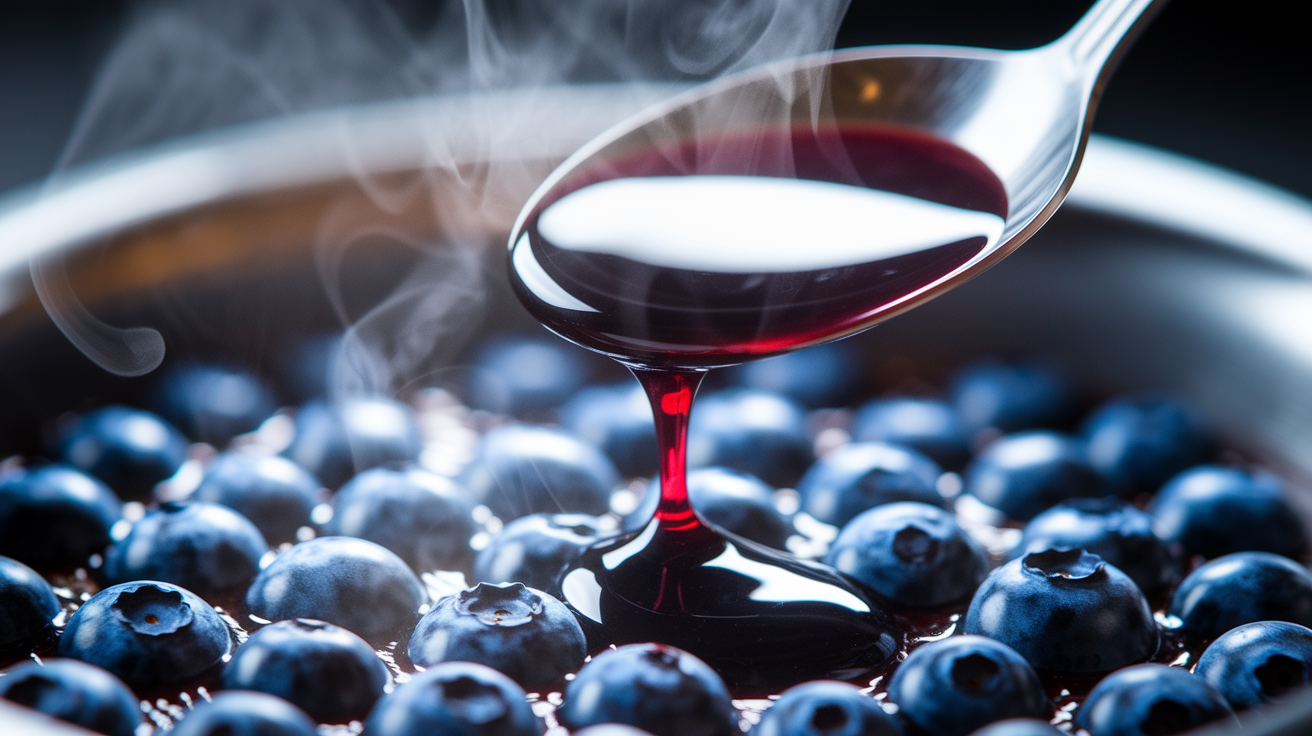
Runny cobbler happens when the fruit releases more juice than the topping can absorb. Canned peaches in light syrup or fresh berries in peak season carry extra liquid that turns the bottom into a gooey mess instead of something jammy. The fix is adding a thickener before you layer the dry mix.
Cornstarch is the fastest option. Stir 1 to 2 tablespoons directly into the fruit before you add the dry mix. For fresh peaches, whisk ¼ cup sugar, ½ cup water, 1 tablespoon cornstarch, and ¼ teaspoon salt together, then toss with the fruit. The cornstarch activates as the cobbler heats and turns watery juice into thick, bubbling syrup. Cooling the cobbler for 15 to 20 minutes after baking also thickens the filling. The juices settle and gel as the temperature drops. If you skip the rest, the first scoop will be soupy even if the thickener is in there.
| Thickener | Best Use | Amount Needed |
|---|---|---|
| Cornstarch | Canned or fresh fruit; clear, glossy finish | 1 to 2 tablespoons per 6 cups fruit |
| All-purpose flour | Apple or pear cobbler; creates opaque, dense filling | 2 to 3 tablespoons per 6 cups fruit |
| Instant tapioca | Berry cobblers; absorbs juice without altering flavor | 2 tablespoons per 6 cups fruit |
| Arrowroot powder | Gluten-free or low-temperature baking; delicate texture | 1½ tablespoons per 6 cups fruit |
Flour works for apple cobbler because apples release pectin that helps the filling set. Tapioca is good for berry cobblers where you want a clear, shiny filling. Arrowroot is a one-to-one swap for cornstarch in gluten-free recipes.
Enhancing Cobbler Mix Flavor (Spices, Citrus, and Add‑Ins)
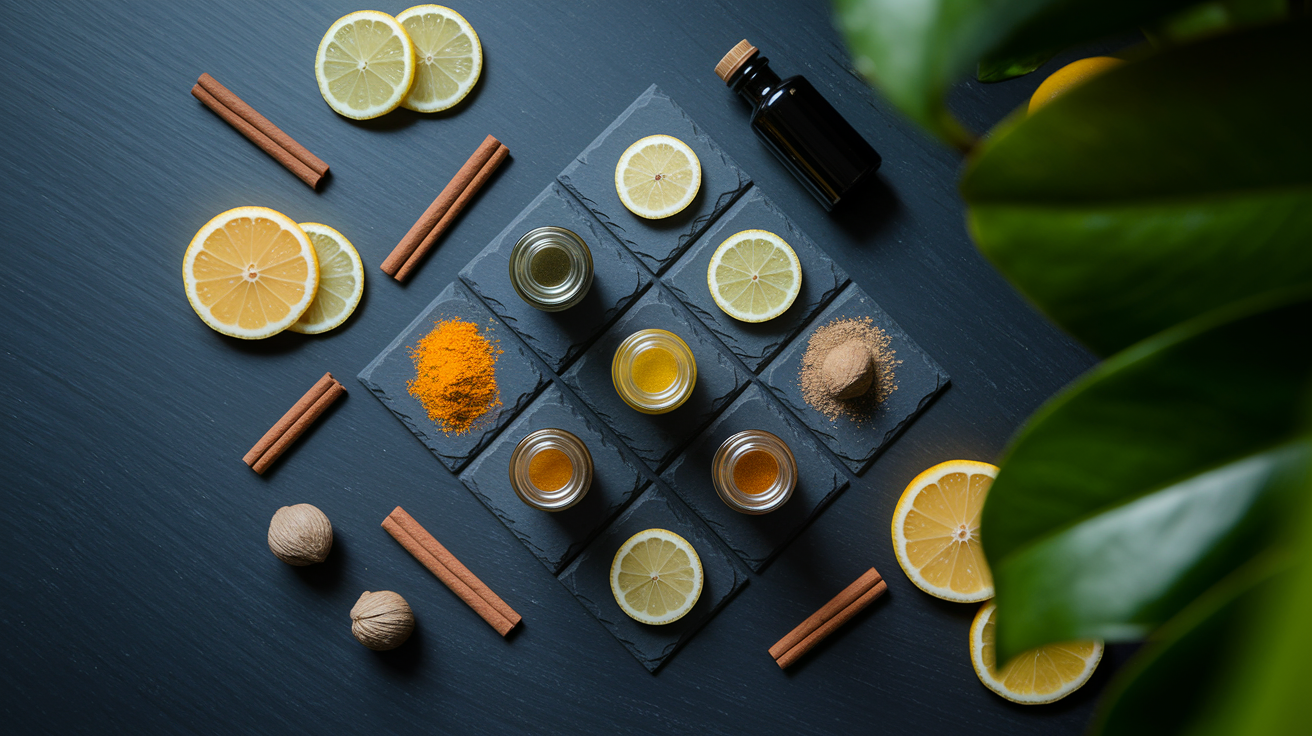
Boxed cobbler and cake mixes taste fine on their own, but a few pantry staples make them taste like you started from scratch. Spices go into the fruit layer or get whisked into the dry mix before you sprinkle it over the fruit. Either method works. Just make sure the spice is evenly distributed so you don’t get pockets of cinnamon or bland spots.
Cinnamon and nutmeg are the classic pair. Add ½ to 1 teaspoon ground cinnamon and ¼ teaspoon nutmeg directly to the fruit, or whisk them into the dry cake mix. Cardamom adds a warm, floral note that works with peaches and apples. Use a pinch, about ⅛ teaspoon, because it’s strong. Citrus zest brightens berry cobblers. Grate the zest of one lemon or orange and toss it with the fruit before you layer the mix. The oils in the zest cut through sweetness and add a fresh, tangy edge. Cold grated butter creates a crispier topping than melted butter. Grate ½ cup cold butter with a box grater and scatter it evenly over the dry mix for a crunchy, golden crust.
Brown sugar sprinkle works. Scatter 2 to 3 tablespoons brown sugar over the dry mix before adding butter for caramelized, crispy edges.
Oat streusel topping adds texture. Mix ½ cup old-fashioned oats with 2 tablespoons melted butter and 1 tablespoon brown sugar. Sprinkle over the cobbler in the last 15 minutes of baking.
Chopped nuts bring crunch. Add ¼ cup chopped pecans or walnuts on top of the butter.
Vanilla extract deepens flavor. Drizzle 1 teaspoon vanilla over the fruit before layering the mix.
Ground ginger or cloves add warmth. Use ⅛ teaspoon of either spice with apple or pear cobbler for a spiced finish.
Half-and-half drizzle creates richness. Pour 3 to 4 tablespoons half-and-half over the dry mix just before baking for a creamier topping.
Butter, Milk, and Liquid Choices in Cobbler Toppings

Cold butter and melted butter create different textures. Cold butter slices or grated cold butter sit on top of the dry mix and melt slowly as the cobbler bakes, leaving little pools that crisp the topping and create golden brown patches. Melted butter soaks into the mix more evenly, which gives you a smoother, more cake-like top but can also leave dry spots if you don’t pour it carefully. Thin slices of cold butter work best when you cover as much surface area as possible. Cut the butter into pats about the thickness of a cracker and arrange them like shingles across the dry mix.
Some boxed mixes call for added milk or water to activate the topping. If you want a cakey texture, follow the box directions but cut the liquid by half and pour it over the dry mix instead of stirring it in. For a chewier, denser topping, skip the liquid entirely and rely on the fruit syrup to hydrate the mix from below. Buttermilk makes the topping richer and gives it a slight tang. Swap regular milk for buttermilk in a one-to-one ratio. Adding one egg to the dry mix before sprinkling it over the fruit turns the topping into a thick, brownie-like crust. Whisk the egg with 2 tablespoons melted butter, drizzle it over the mix, and bake as usual.
Dairy-free substitutions work the same way. Use plant-based butter and oat milk or almond milk in place of dairy. The topping will crisp a little less because plant butter has more water, but the flavor stays warm and buttery.
Baking Methods and Pan Options for Cobbler from a Mix

A 9×13 baking dish is the standard pan size and gives you a thin, crispy topping with plenty of fruit underneath. If you want a thicker topping, use an 11×7 dish or a deep 9×9 square pan. The smaller surface area means the dry mix sits deeper, and the topping bakes up taller and more cake-like. Sheet pans work for feeding a crowd. Spread the fruit across a rimmed half-sheet pan, sprinkle the mix, and add butter. The topping will be very thin and extra crispy. Individual ramekins are good for portion control and faster baking. Fill 6-ounce ramekins two-thirds full with fruit, sprinkle a few tablespoons of dry mix on each, dot with butter, and bake at 375°F for 25 to 30 minutes.
Oven temperatures range from 350°F to 400°F depending on the mix and the pan. Most cake-mix cobblers bake at 350°F for 50 to 55 minutes. Boxed cobbler mixes that call for added liquid often bake at 400°F for 40 to 45 minutes to crisp the top quickly. Check for bubbling edges and a golden brown crust with a few darker spots. Those are your doneness cues. If the edges bubble but the center is still quiet, tent the top with foil and bake another 10 minutes.
Crockpot Method
A slow cooker turns cobbler into a hands-off dessert. Use two large cans of canned fruit or pie filling, one box yellow cake mix, and 1½ sticks salted butter. Layer the fruit in the bottom of a 6-quart slow cooker, sprinkle the dry mix evenly over the top, and lay thin slices of cold butter across the surface. No need to melt the butter first. Cook on LOW for 3 to 3½ hours until the topping is set and the edges are bubbling. The top won’t brown like it does in the oven, but the texture is soft and steamy, closer to a pudding cake.
Dutch Oven & Campfire Baking
Dutch oven cobbler over a campfire uses the same layering method but requires careful heat management. Place 8 to 10 hot coals underneath a 12-inch Dutch oven and 15 to 18 coals on the lid to create top and bottom heat. Layer the fruit, dry mix, and butter inside the Dutch oven, cover with the lid, and bake for 40 to 50 minutes. Rotate the oven and the lid every 15 minutes to prevent hot spots. The cobbler is done when the topping is golden and the fruit bubbles. Let it rest with the lid off for 10 minutes before serving so steam doesn’t make the topping soggy.
Common Mistakes When Making Cobbler from a Mix (and How to Fix Them)

Most cobbler problems come from uneven butter coverage, too much liquid, or pulling it out of the oven too soon. Dry patches happen when the butter doesn’t reach every part of the dry mix. Those spots stay powdery and taste like raw cake mix. The fix is cutting the butter into very thin slices or grating it so it spreads evenly across the surface.
Dry spots in the topping mean you need to use grated cold butter or pour melted butter slowly, using a spatula to nudge it into dry corners.
Watery, soupy filling needs 1 to 2 tablespoons cornstarch added to the fruit before layering. Let the cobbler rest 15 to 20 minutes after baking.
Edges bubbling over can be caught by placing a foil-lined jelly-roll pan or baking sheet on the rack below the cobbler.
Pale, undercooked topping gets fixed by increasing oven temperature to 375°F for the last 10 minutes, or moving the pan to the top rack to brown the crust.
Burned edges with a raw center need the cobbler tented with foil once the edges are golden, then continue baking until the center bubbles.
Topping sinks into the fruit because the mix absorbed too much liquid before baking. Assemble the cobbler right before it goes into the oven, not ahead of time.
Topping tastes bland. Whisk spices or vanilla into the dry mix, or sprinkle brown sugar over the surface before adding butter.
Bubbling edges alone don’t mean the cobbler is done. The center needs to bubble too, and the topping should be deep gold with crispy edges. If you scoop too early, the filling will be thin and the juices will pool on the plate. Resting the cobbler for 15 to 20 minutes after baking lets the filling thicken and makes clean scoops possible.
Using Different Mixes to Make Cobbler (Cake Mix, Biscuit Mix, Gluten‑Free, etc.)

Yellow cake mix is the most common base because it’s neutral and sweet, but white cake mix, lemon cake mix, and spice cake mix all work the same way. Sprinkle the dry mix over the fruit and ignore the box instructions. You’re not making a cake, so you don’t need eggs, oil, or water. Lemon cake mix adds a bright, citrus note that works with blueberries and blackberries. Spice cake mix brings cinnamon and nutmeg flavors that pair with apples and pears.
Biscuit mix needs a different approach. Biscuit mix is designed to make drop biscuits, so it needs added liquid and fat to activate. Mix the biscuit mix with ¼ cup melted butter and ⅓ cup milk until it forms a thick batter, then drop spoonfuls over the fruit instead of sprinkling it dry. The topping bakes up fluffy and biscuit-like instead of crispy. Gluten-free cake mixes behave almost exactly like regular cake mixes. Use them dry and layer them the same way. The topping may be slightly softer and less crispy because gluten-free flour blends absorb liquid differently, but the flavor and technique are the same.
Vegan cobbler uses a plant-based cake mix or check the label on a standard mix (many are accidentally vegan). Replace butter with vegan butter or coconut oil.
Dairy-free modifications swap dairy butter for plant-based butter. Use canned coconut milk in place of milk if the recipe calls for it.
Keto-friendly adaptations use a keto cake mix and replace canned fruit with fresh berries sweetened with erythritol or monk fruit. Add extra thickener because low-sugar fruit releases less syrup.
Sugar-free options work with a sugar-free cake mix and fruit canned in juice instead of syrup. Add 1 to 2 tablespoons cornstarch to make up for missing syrup.
Egg addition for cakey texture comes from whisking 1 egg with 2 tablespoons melted butter and drizzling over the dry mix before baking.
Variations: Fruit‑Specific Cobblers Made from Boxed Mix

Different fruits have different juice levels, sweetness, and baking times. Adjusting the thickener, spices, and bake time for each fruit keeps the topping crisp and the filling thick. Canned fruit in syrup is the easiest swap because the syrup does the sweetening and moisture work for you.
Mixed Berries
Use 6 cups mixed fresh or frozen berries (blueberries, raspberries, blackberries, and strawberries). Toss with ¼ cup sugar and 2 tablespoons cornstarch, then pour into the baking dish. Sprinkle one box white or lemon cake mix over the berries, top with 1½ sticks grated cold butter, and bake at 375°F for 45 to 50 minutes. Berries release a lot of juice, so the extra cornstarch keeps the filling from getting soupy. Let it rest for 20 minutes before serving so the juices thicken.
Peaches
Two and a half pounds of fresh peeled, pitted, and sliced peaches (about 5 medium peaches) work for one cobbler. Toss the peaches with ¼ cup sugar, ½ cup water, 1 tablespoon cornstarch, and ¼ teaspoon salt. Let the peaches sit for 10 minutes, then pour them into a 9×13 dish. Sprinkle one box yellow cake mix evenly over the peaches, arrange thin slices of 1½ sticks cold butter on top, and bake at 350°F for 50 to 55 minutes. Canned peaches in heavy syrup skip the sugar and cornstarch. Just use three 15-ounce cans with syrup and layer the mix and butter on top.
Apples
Use 6 cups peeled, cored, and sliced apples (Granny Smith, Honeycrisp, or a mix). Toss with ½ cup sugar, 1 teaspoon cinnamon, ¼ teaspoon nutmeg, and 2 tablespoons flour. Pour into the baking dish, sprinkle one box spice or yellow cake mix over the apples, and top with 1½ sticks grated cold butter. Bake at 350°F for 50 to 55 minutes until the apples are tender and the topping is golden. Apple pie filling from a can works too. Use two 21-ounce cans and skip the sugar and spices.
Blueberries
Fresh or frozen blueberries both work. Use 6 cups and toss with ⅓ cup sugar, 2 tablespoons cornstarch, and the zest of one lemon. Pour into the dish, sprinkle one box lemon or white cake mix on top, and add 1½ sticks grated cold butter. Bake at 375°F for 45 to 50 minutes. Blueberries hold their shape and release less juice than other berries, so the filling stays thick and jammy without extra thickener.
Serving, Storing, and Reheating Cobbler Made from a Mix

Serve cobbler warm, about 20 minutes out of the oven, so the filling has time to thicken but the topping is still crispy. Vanilla ice cream is the classic pairing. The cold scoop melts into the warm fruit and creates a creamy sauce. Whipped cream, cinnamon ice cream, or a dusting of powdered sugar work too. Caramel drizzle and chopped pecans add richness and crunch.
Store leftovers in the refrigerator, covered with plastic wrap, foil, or in an airtight container. Cobbler keeps for 3 to 5 days, but the topping softens as it sits because it absorbs moisture from the fruit. Reheat individual servings in the microwave for 30 to 45 seconds, or reheat the whole pan in a 350°F oven for 10 to 15 minutes to crisp the topping again. If you’re reheating day-old cobbler, increase the oven time to 20 minutes and check that the center is warm before serving.
Freezing works for up to 3 months. Let the cobbler cool completely, wrap it tightly in plastic wrap and then aluminum foil, and freeze. Thaw overnight in the refrigerator, then reheat at 350°F for 15 to 20 minutes. The topping will be softer than fresh-baked, but the flavor stays good. You can also freeze unbaked cobbler. Assemble the fruit, mix, and butter in a foil pan, cover tightly, and freeze. Bake from frozen at 350°F, adding 15 to 20 minutes to the bake time.
Vanilla ice cream is the classic pairing. Melts into warm fruit.
Whipped cream or whipped topping is light and airy. Balances sweet fruit.
Cinnamon or butter pecan ice cream adds spice and nutty richness.
Caramel or butterscotch drizzle creates a sweet, sticky sauce with the fruit juices.
Final Words
You’ve got the dump-and-bake method, fruit choices, thickening fixes, topping tricks, and clear baking cues, all aimed at a bubbling, golden cobbler.
Follow the 6-step quick method, use cold butter for crisp bits or melted for a softer top, and rest 15–20 minutes so juices thicken.
Use a 9×13 for a crowd or ramekins for single servings. This guide on how to make cobbler from mix keeps things simple and reliable, so you’ll be serving warm, crowd-pleasing dessert tonight.
FAQ
Q: Can you use baking, pancake, or cake mix to make a cobbler?
A: You can use cake, pancake, or other baking mixes to make a cobbler; sprinkle the dry mix over fruit, dot with cold butter slices, and bake until the filling bubbles and the top is golden.
Q: How to make cake for diabetic patients?
A: To make cake for diabetic patients, use sugar substitutes or reduced-sugar recipes, choose whole-grain or almond flour, add fiber, control portion sizes, and check blood-sugar effects with a healthcare professional.