
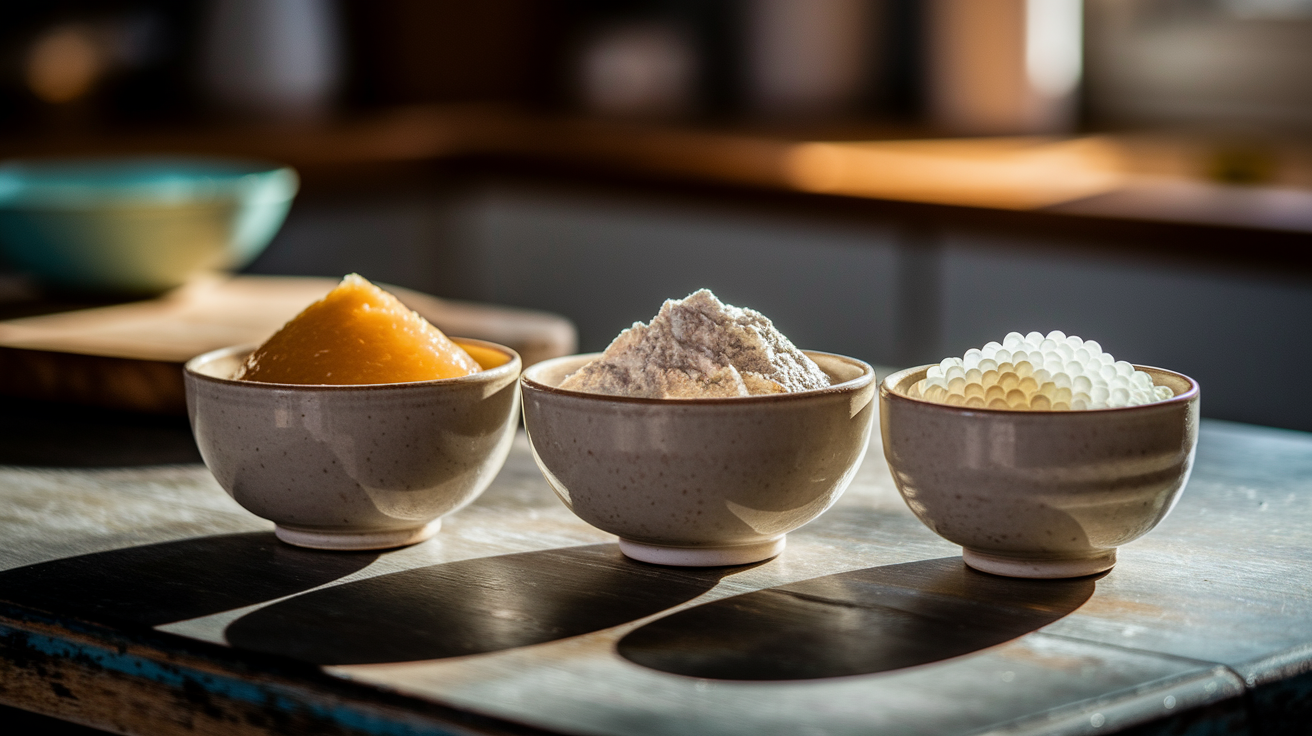
Controversial take: instant tapioca is the real MVP for cobbler filling.
It gives you a clear, glossy, jammy filling that stays stable when you freeze or reheat, while cornstarch is slick for same-day serving and flour gives a cloudy, rustic result.
In this post we’ll compare cornstarch, all-purpose flour, and instant tapioca—how much to use, how to prep them, and which fruit each one suits best.
You’ll walk away knowing which thickener to grab from the pantry so your cobbler isn’t runny, gummy, or flat-looking.
Quick Comparison of Cobbler Thickeners
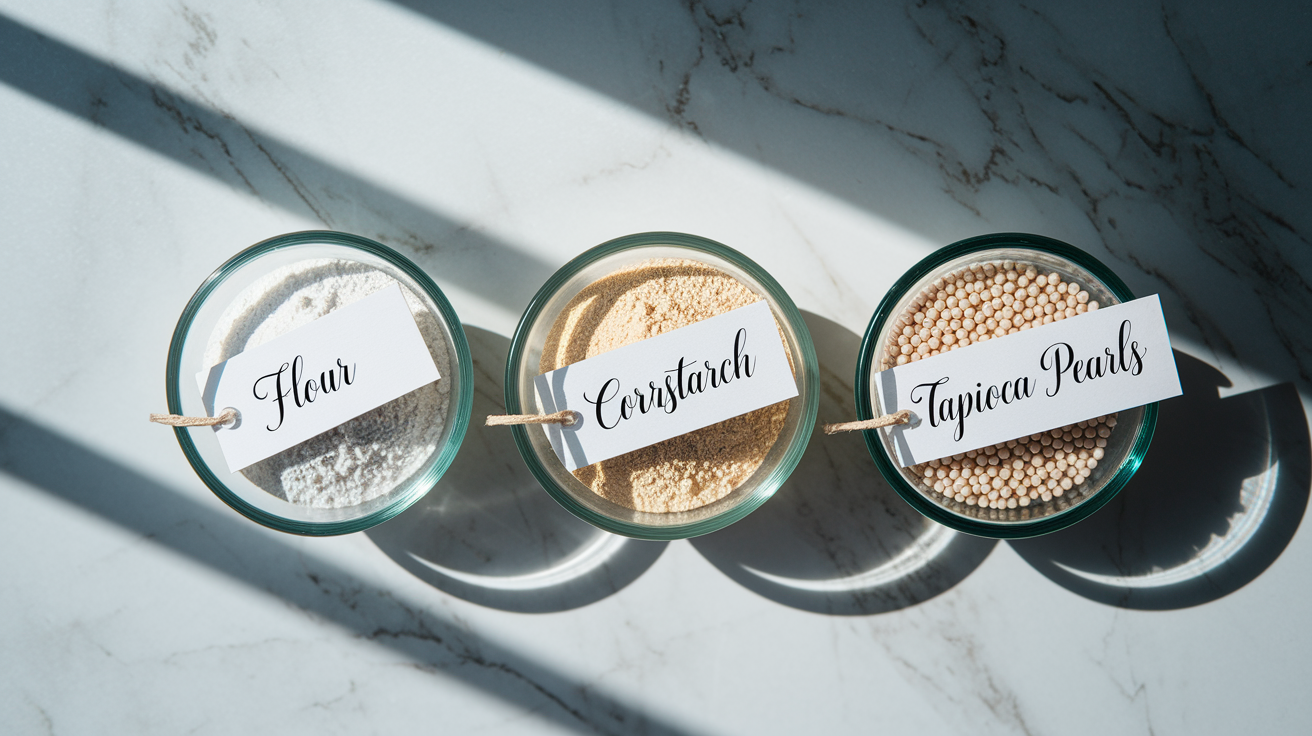
Instant tapioca is your best bet if you want a filling that actually works. It gives you that clear, glossy look that makes the fruit pop, and it won’t turn into a weird gummy mess when you freeze it or heat it back up. Cornstarch is solid for quick cobblers where you’re eating it fresh and want things smooth. Flour? It’s got about half the power of cornstarch, so you’re looking at a cloudy, thicker paste kind of situation. Works fine if you’re going for rustic and don’t care about looks.
When you dig into a cooled cobbler, the difference is right there. Tapioca lets the fruit stay bright with this jammy, see-through thing going on. Cornstarch gets you shiny but a little cloudy, and it can get runnier as it sits. Flour just looks flat and muddy next to something like fresh peaches or berries. Cornstarch thickens about twice as hard as flour. Tapioca matches that or beats it, plus it doesn’t fall apart when things get hot or cold.
- Instant tapioca: Clear and glossy, handles juicy stuff like cherries or frozen fruit without breaking down
- Cornstarch: Smooth and shiny enough, great for peaches or mixed berries if you’re baking and serving same day, but it can fail you if you overheat it or freeze it
- All-purpose flour: Cloudy, old-school finish, good for apples or when you just need to use what’s in the pantry, needs more of it and more time to stop tasting starchy
How Cornstarch Performs in Cobbler Fillings
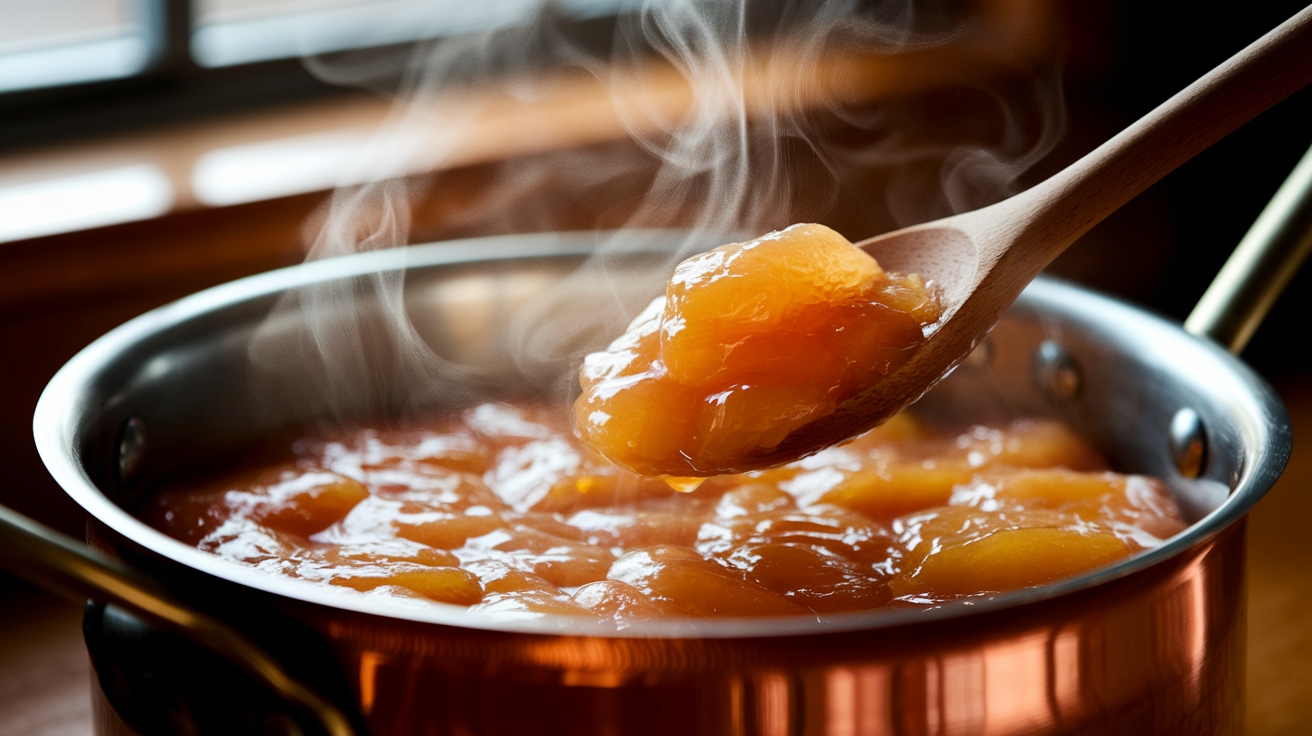
Cornstarch kicks in fast once it hits a full simmer, somewhere around 203°F to 212°F. You get a smooth, kind of shiny finish that’s good for fruits that aren’t swimming in juice. Think peaches, apricots, mixed berries. For 4 cups of fresh fruit, use about 2 tablespoons of cornstarch (around 16 grams). Frozen fruit? Bump it to 3 tablespoons because frozen stuff dumps way more water when it thaws and bakes.
Don’t just throw dry cornstarch into hot fruit. You’ll get lumps that won’t go away. Mix 2 tablespoons cornstarch with 2 tablespoons cold water first, whisk it smooth, then stir that slurry into your bubbling fruit juices. Let it bubble hard for a minute or two until it goes from cloudy to clear and thickens up.
Cornstarch breaks down if you boil it too hard or bake it forever, and it doesn’t love the freezer. Also, really acidic fruits like cranberries or anything lemon-heavy can mess with it. If you’re planning to freeze your cobbler or reheat it later, tapioca is the move.
How Flour Performs in Cobbler Fillings
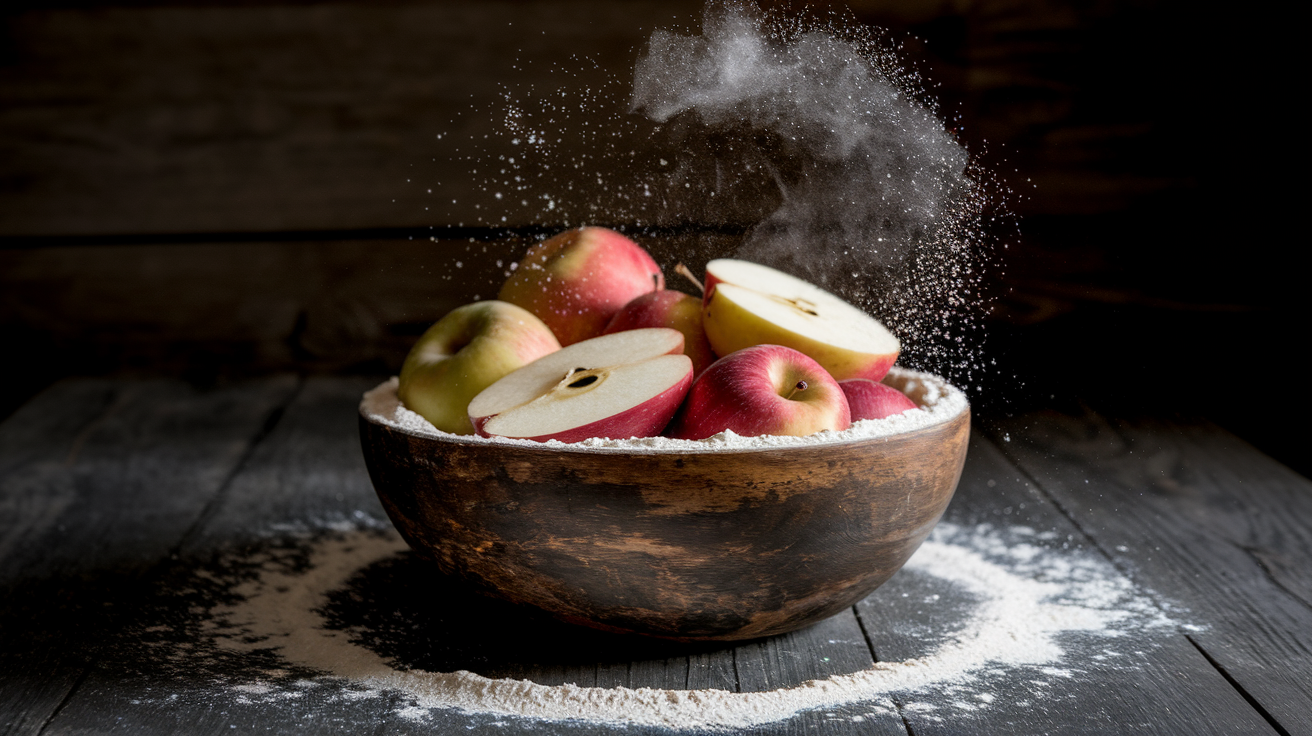
Flour has about half the muscle of cornstarch, so you need around 1/4 cup (4 tablespoons, roughly 32 grams) per 4 cups of fruit to get close to the same thickness. What you get is cloudy, matte, and a little pasty. Not silky like cornstarch, not clear like tapioca. Flour makes sense for rustic cobblers where nobody cares if it looks perfect, or when you’re using firm fruits like apples or pears that don’t leak much juice.
Flour tastes raw and chalky if it doesn’t cook long enough. Either toss it with your fruit and sugar before baking, or make a quick roux by whisking it into melted butter for a minute or two on the stove. Bake the cobbler long enough, usually 40 to 50 minutes at 350°F to 375°F, so the flour has time to cook through and lose that weird starchy edge. If you’re in a rush or working with delicate fruits that bake fast, flour isn’t your friend.
Flour can take more heat than cornstarch without falling apart, and it won’t break if you overmix or reheat it. But it also won’t give you that jammy, glossy thing. It’s a decent backup when you’re out of cornstarch or tapioca, and it’s cheap. Around 40 cents to $1.50 per pound.
How Tapioca Performs in Cobbler Fillings
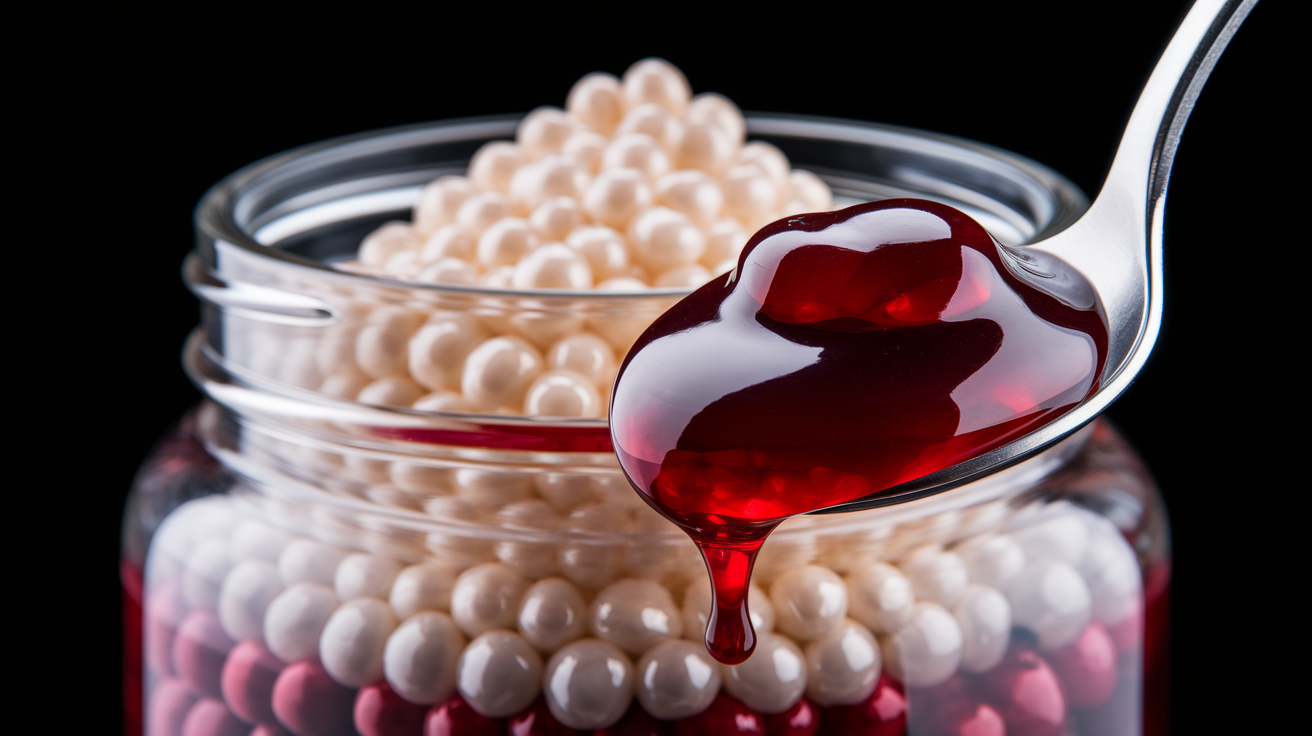
Instant tapioca (sometimes called quick-cooking or granulated tapioca) gives you that clear, glossy gel that makes fruit look incredible. It holds up when you freeze it, reheat it, or use high-moisture fruits like cherries, blueberries, strawberries. You need about 2 tablespoons (roughly 18 to 24 grams depending on brand) per 4 cups of fruit. For frozen or extra-juicy fruit, go up to 3 tablespoons.
Tapioca needs time to soak up liquid before it works right. Sprinkle the dry granules into your fruit juices and let it sit for 10 to 15 minutes before you start baking. This softens the tapioca so it dissolves smooth instead of staying crunchy and gritty. Skip this and you’ll bite into little hard pearls scattered through the filling. You can also make a slurry by mixing tapioca with a few tablespoons of cold water or fruit juice while you prep everything else.
Tapioca is the toughest thickener when you throw acid, sugar, heat, or freezing at it. High-acid fruits like cranberries or lemon-spiked fillings won’t weaken it the way they mess with cornstarch, and the texture stays smooth and jammy even after freezing. Instant tapioca costs more than flour or cornstarch, around $3 to $6 per pound, but it’s worth keeping around.
Choosing the Right Thickener for Different Fruits
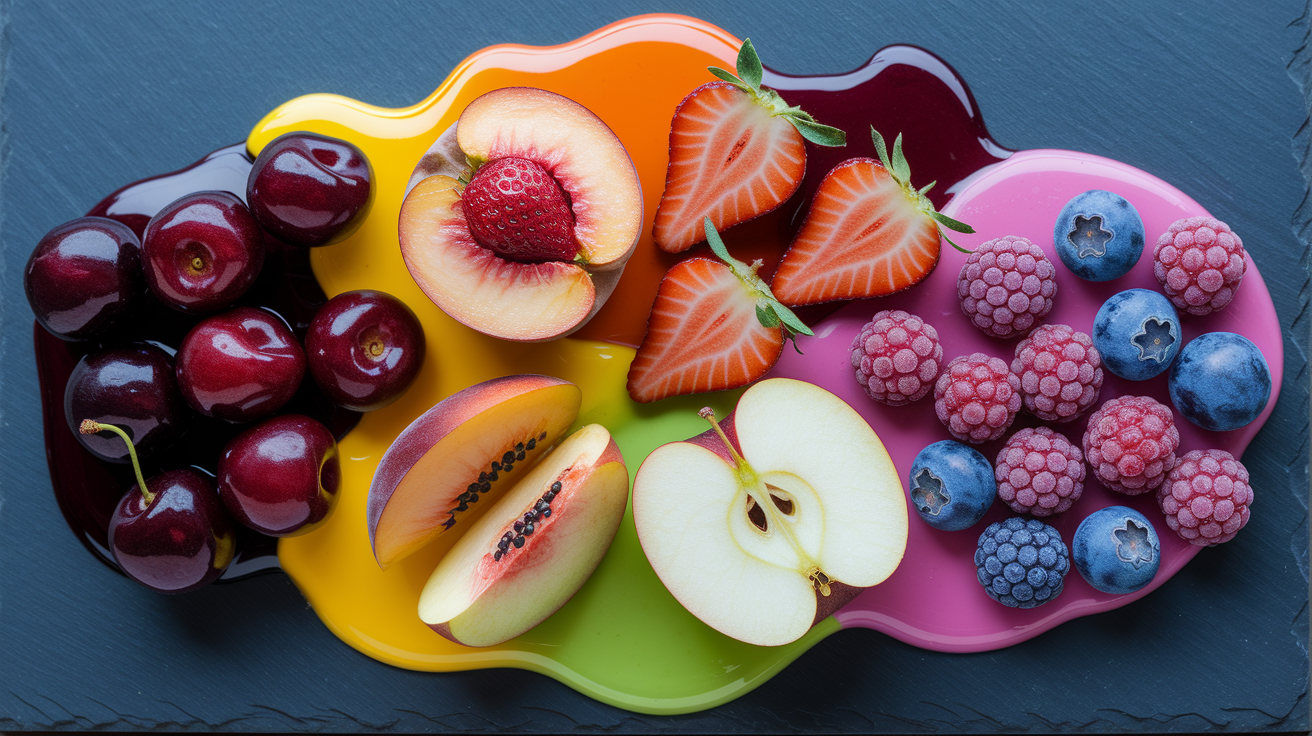
High-juice fruits dump a ton of liquid when they bake, and you need a thickener that can soak it up without getting gummy or watery. Tapioca wins here because it absorbs liquid without turning weird, and it stays clear so the fruit color looks good. Firm fruits like apples and pears don’t release as much moisture, so you can get away with flour or cornstarch, especially if you’re going for that homestyle look anyway.
Frozen fruit always leaks more water than fresh, so increase your thickener by about 25 to 50 percent no matter what you’re using. If a recipe says 2 tablespoons cornstarch for 4 cups of fresh peaches, use 3 tablespoons for frozen. Really sweet fillings or recipes with a lot of sugar can also weaken starch, so add an extra tablespoon when you’re working with sugar-heavy fruit or adding honey or brown sugar.
| Fruit Type | Juice Level | Best Thickener |
|---|---|---|
| Cherries, blueberries, blackberries | High | Instant tapioca |
| Peaches, apricots, plums | Medium | Cornstarch or tapioca |
| Strawberries, raspberries | Medium-high | Instant tapioca |
| Apples, pears | Low | Flour or cornstarch |
| Frozen mixed berries | High | Instant tapioca |
Practical Ratios, Prep Steps, and Troubleshooting
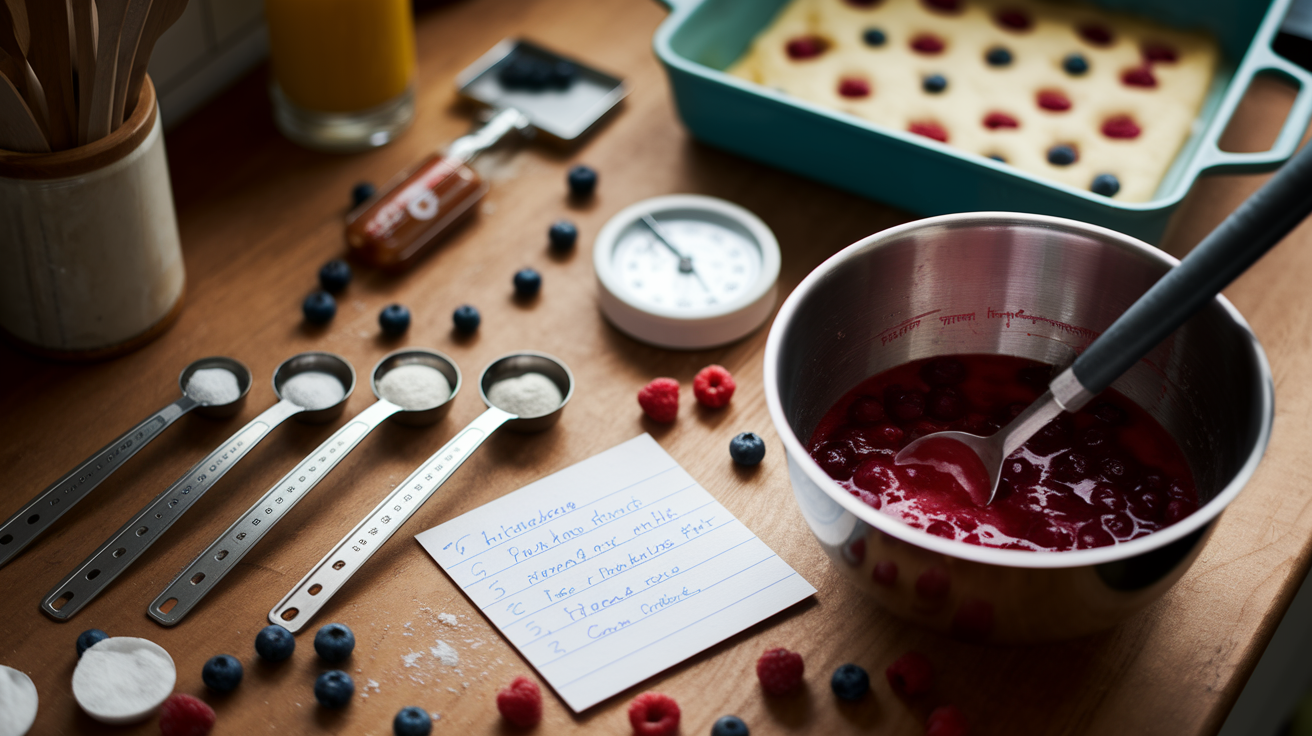
For 4 cups of fresh fruit (about one 9-inch cobbler), use 2 tablespoons cornstarch, 1/4 cup flour, or 2 tablespoons instant tapioca. Frozen fruit? Bump cornstarch and tapioca to 3 tablespoons and flour to 5 tablespoons. Cornstarch has to hit at least 203°F to thicken, so always make a cold slurry (2 tablespoons cornstarch plus 2 tablespoons cold water), whisk it into simmering fruit juices, then let it bubble for a minute or two. Flour needs to cook long enough to lose that raw taste. Either toss it dry with the fruit and bake for at least 40 minutes, or whisk it into melted butter for a minute before adding fruit.
Tapioca needs 10 to 15 minutes to rest after you sprinkle it into the fruit juices. If you skip this, you get crunchy pearls instead of smooth gel. For faster prep, make a tapioca slurry by mixing the dry granules with a few tablespoons of cold water or juice, then stir it into the fruit right before you assemble.
- If your filling is too runny after baking, gently pour the extra liquid into a small saucepan, add a cornstarch slurry (1 teaspoon cornstarch plus 1 teaspoon cold water per 1/2 cup liquid), simmer for a minute or two until it thickens, then pour it back over the cobbler.
- If the filling is gummy or overly stiff, you added too much starch. Thin it by stirring in a few tablespoons of water or fruit juice and reheating briefly.
- If you taste raw, starchy flavor, your flour or cornstarch didn’t cook enough. Put the cobbler back in the oven for another 10 to 15 minutes, or simmer the filling on the stovetop until that taste goes away.
- If the fruit looks dull or cloudy, that’s normal with flour and sometimes cornstarch. Switch to instant tapioca next time for a clear, glossy finish.
Final Words
You’ve seen cornstarch give a shiny, quick-set filling, flour give a sturdy, opaque finish, and tapioca a clear, gel-like result that loves very juicy fruit.
Pick cornstarch for medium-juice berries and peaches, flour when you want a rustic, forgiving set, and tapioca for cherries or anything that runs a lot.
Choose by fruit and texture, so you’ll pick the best thickeners for cobbler filling cornstarch vs flour vs tapioca and put a steaming, sticky-sweet cobbler on the table tonight.
FAQ
Q: Why use tapioca instead of cornstarch?
A: Using tapioca instead of cornstarch is better when you want a clear, glossy, gel-like filling that handles very juicy fruits and freezes well. It thickens strongly but needs time to hydrate before baking.
Q: How do you thicken cobbler?
A: Thickening a cobbler involves tossing fruit with your chosen thickener, like tapioca, cornstarch, or flour, plus sugar, letting tapioca hydrate or simmering cornstarch briefly, then baking until the filling bubbles and sets.
Q: What is the healthiest thickening agent?
A: There’s no single healthiest thickener, but for more nutrients use whole-grain flour or chia, which add fiber. Tapioca and cornstarch are refined starches with similar calories, so choose by nutrition priorities and taste.
Q: Can I use tapioca flour instead of cornstarch for thickening?
A: You can use tapioca flour instead of cornstarch at about a one-to-one swap. Tapioca gives a clearer, chewier gel and needs a short rest to hydrate, especially with very juicy fruit.