
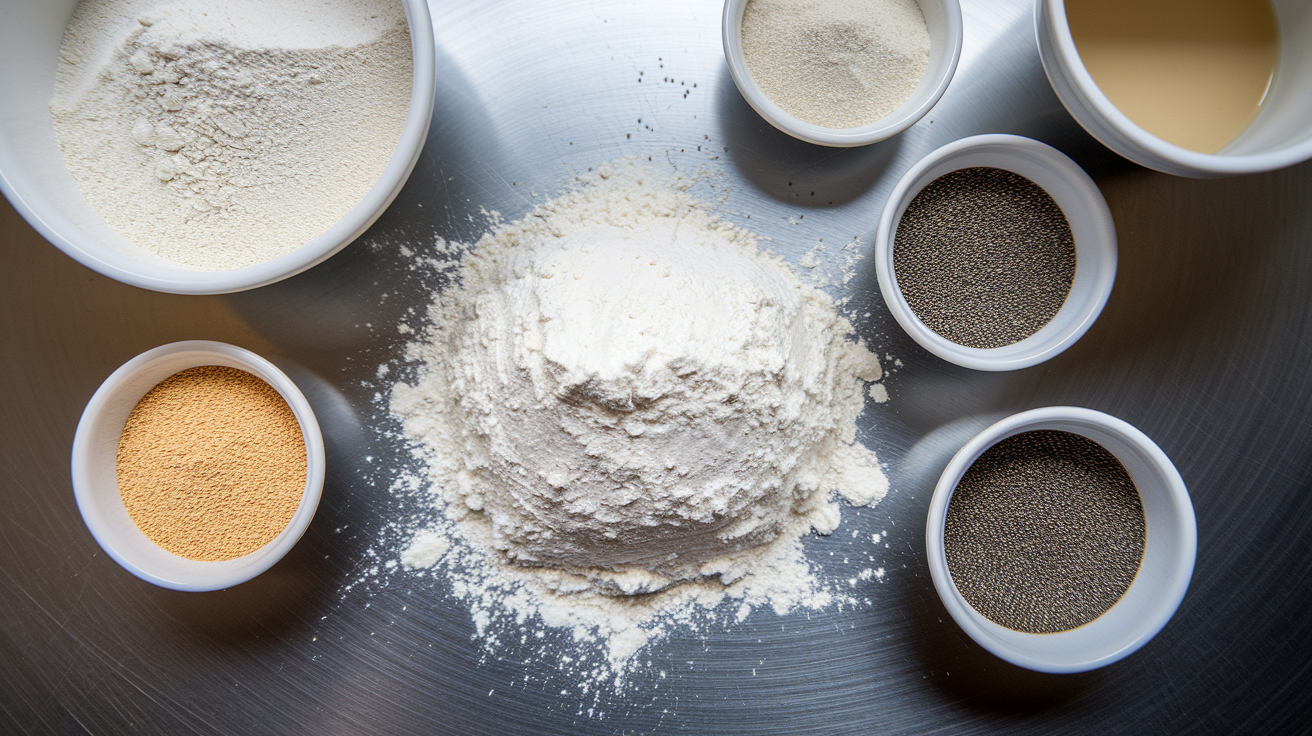
Out of cornstarch and worried your cobbler will turn into a soupy mess?
Don’t panic.
You can thicken a filling with things you already have—flour, instant tapioca, arrowroot, chia, or a quick stovetop reduction—and get a jammy, spoonable result.
This post gives exact ratios, easy mixing steps, and simple visual cues (like a bubbling center and glossy fruit) so your cobbler sets right every time.
Whether you want a clear, jewel-toned finish or freezer-friendly leftovers, these everyday fixes will save dessert night.
Immediate Methods to Thicken Cobbler Filling Without Cornstarch
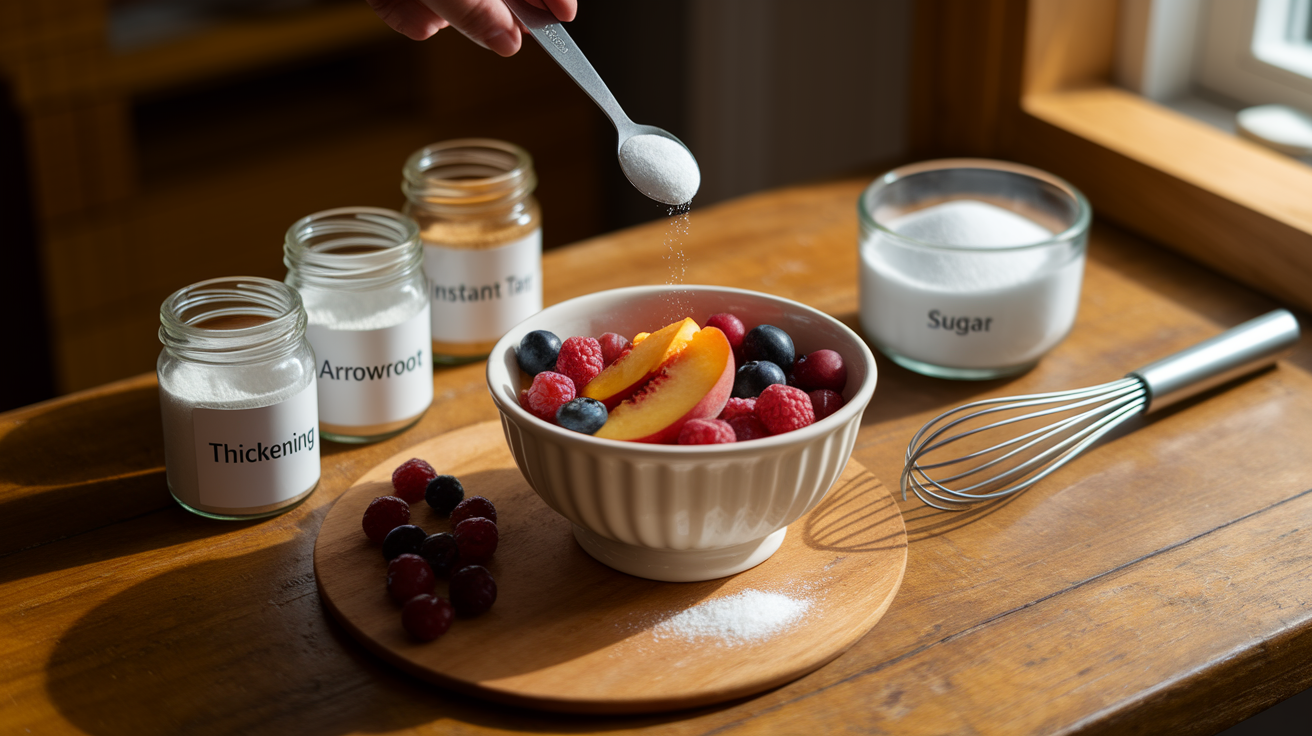
All-purpose flour works at 2 tablespoons per cup of fruit. Instant tapioca needs 1½ tablespoons per cup. Arrowroot uses the same ratio as tapioca. Chia seeds get the job done at just 1 teaspoon per cup. Each one brings different texture and clarity to the table, but they all thicken just as well as cornstarch.
Reach for these when you’re out of cornstarch, or when you want a clearer filling, something that freezes better, or a more natural ingredient list. Super juicy fruit might need about 25% more thickener to handle the extra moisture. So if your berries are soaking wet or your peaches feel heavy with juice, add a little more.
Here’s how to work any substitute into your cobbler filling:
- Mix your thickener with the sugar in a medium bowl. This stops clumping and spreads it evenly over the fruit.
- Toss the fruit gently with the sugar blend until everything’s lightly coated.
- Let it sit for 5 to 15 minutes. The fruit will release juice and the thickener starts doing its thing.
- Scrape everything into your baking dish, including the sugary liquid pooled at the bottom.
- Bake like normal, then let the cobbler cool completely on the counter so the filling sets all the way through.
Flour and Roux-Based Alternatives for Thickening Cobbler Filling

All-purpose flour is what most people already have, and it works fine when you toss it with sugar and fruit. You’ll get an opaque, creamy-looking filling instead of a clear one. There’s a faint starchy taste if you use too much. Most cobblers need about 2 tablespoons of flour per cup of fruit to hit that jammy, spoonable consistency.
A flour roux gives you better control and gets rid of the chalky mouthfeel. Cooking the flour in fat before mixing it with fruit eliminates that raw taste and creates a smoother base that thickens predictably while it bakes.
How to Make a Quick Flour Roux for Fruit Fillings
Melt 1 tablespoon of butter in a small skillet over medium heat until it stops foaming. Stir in 2 tablespoons of all-purpose flour and keep stirring constantly for about 1 minute, just until it smells toasty and turns light golden. Pull the skillet off the heat and let the roux cool a bit, then toss it with your prepared fruit and sugar. The fat-coated flour blends easily and thickens the juices as the cobbler bakes, creating a smooth, lightly creamy filling.
- Standard flour ratio: 2 tablespoons per cup of fruit when tossed directly with sugar
- Roux method: 1 tablespoon butter + 2 tablespoons flour per 2 cups of fruit
- Flour slurry: Whisk 2 tablespoons flour with 3 tablespoons cold water, then stir into fruit on the stovetop until it bubbles
- Corn flour option: Same ratio as wheat flour, but expect a slightly softer, more delicate set
Tapioca and Arrowroot for Clearer Cobbler Fillings

Tapioca gives you a glossy, nearly clear filling with a slightly sticky, gel-like texture. Arrowroot produces the clearest finish of all and holds up beautifully when frozen. Both are root starches that swell and absorb liquid without making the fruit juices cloudy, so you actually see the bright color of your berries or peaches instead of an opaque sauce.
Instant tapioca needs to sit with the fruit for at least 15 minutes before baking. Skip the resting time and those tiny beads stay grainy, creating a bumpy mouthfeel. Arrowroot thickens quickly and smoothly but can turn thin and runny if it gets too hot or you stir it too much after it sets, so handle it gently.
Tapioca performs best in cobbler fillings with moderate moisture, like mixed berries or stone fruit blends. Arrowroot works especially well when you’re planning to freeze leftovers or when you want that jewel-toned, translucent finish. Both cost more than flour but deliver a cleaner, more polished result.
Steps for Using Instant Tapioca Correctly
Measure 1½ tablespoons of instant tapioca per cup of fruit and toss it directly with the sugar and fruit in a large bowl. Let the mixture rest at room temperature for 15 to 20 minutes so the tapioca absorbs moisture and starts to soften. Pour the entire bowl of fruit into your baking dish, including all the pooled juice. Don’t drain or strain anything. Bake as usual, and don’t stir the filling once it starts bubbling, or you’ll break the gel and end up with a soupy mess.
| Thickener | Ratio per Cup of Fruit | Notes |
|---|---|---|
| Instant tapioca | 1½ tablespoons | Rest 15 minutes before baking; creates glossy, slightly sticky texture |
| Arrowroot powder | 1½ tablespoons | Clearest finish; freeze-stable; can turn thin if overheated |
| Tapioca starch | 1 tablespoon | Finer grind than instant; no soak needed; similar glossy finish |
Natural and No-Starch Options to Thicken Cobbler Filling
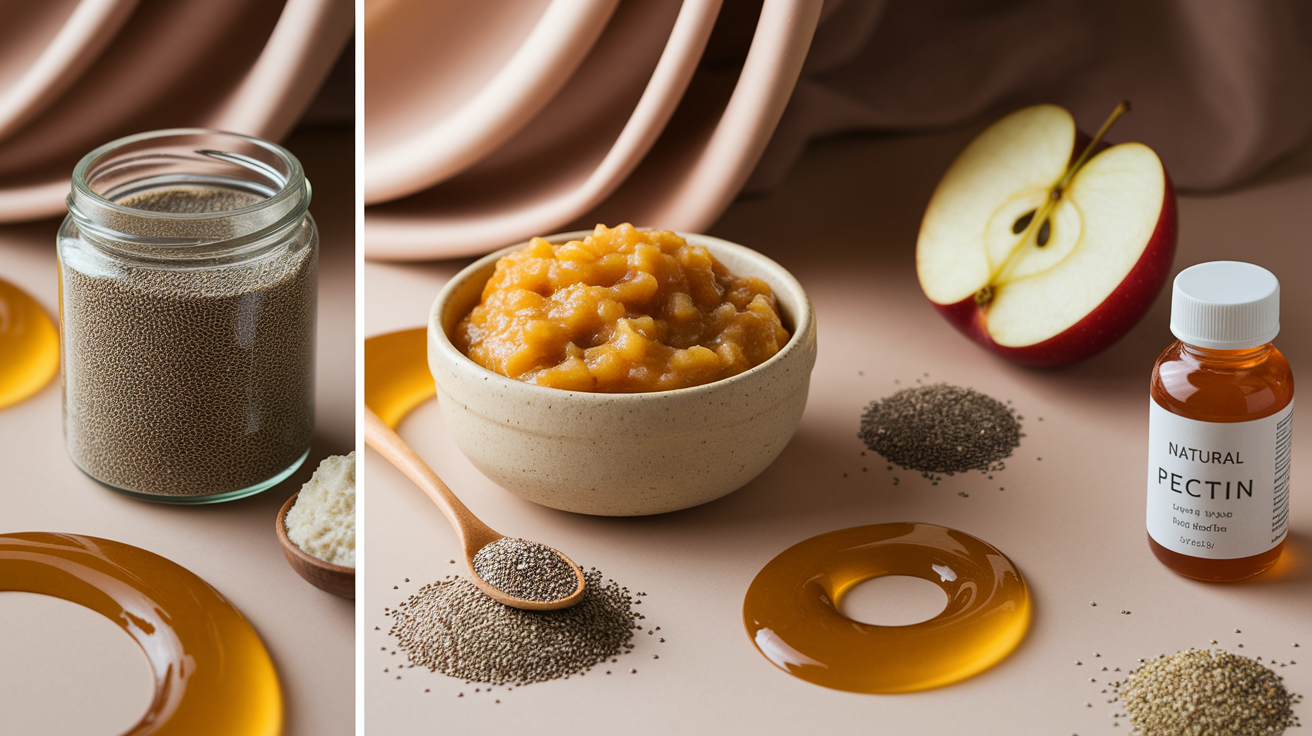
Chia seeds, flaxseed meal, mashed fruit, and natural pectin rely on absorption and gelling instead of starch swelling. They’re perfect for gluten-free, paleo, or whole-food diets. They thicken by soaking up juice and forming a soft gel around the fruit, creating a jammy, spreadable texture without any refined powder.
Higher-pectin fruits like apples, tart cherries, and cranberries already pack natural thickening power, so you can skip starch altogether or use a very small amount of a natural option for extra insurance. Lower-pectin fruits like peaches, strawberries, and blueberries need more help, but chia and flax still work when you allow enough resting time for the seeds to absorb liquid.
- Chia seeds: 1 teaspoon per cup of fruit, mixed with sugar and rested 10 minutes
- Flaxseed meal: 1 tablespoon per cup of fruit, tossed directly with fruit and sugar
- Mashed fruit: Use ¼ cup mashed or pureed fruit per 2 cups whole fruit as a natural binder
- Natural pectin boost: Add 1 peeled, grated apple per 3 cups low-pectin fruit to increase set
- Reduced juice method: Simmer fruit briefly until 25% of the liquid evaporates, then bake
Thickening Techniques for Specific Fruits and High-Juice Cobbler Fillings
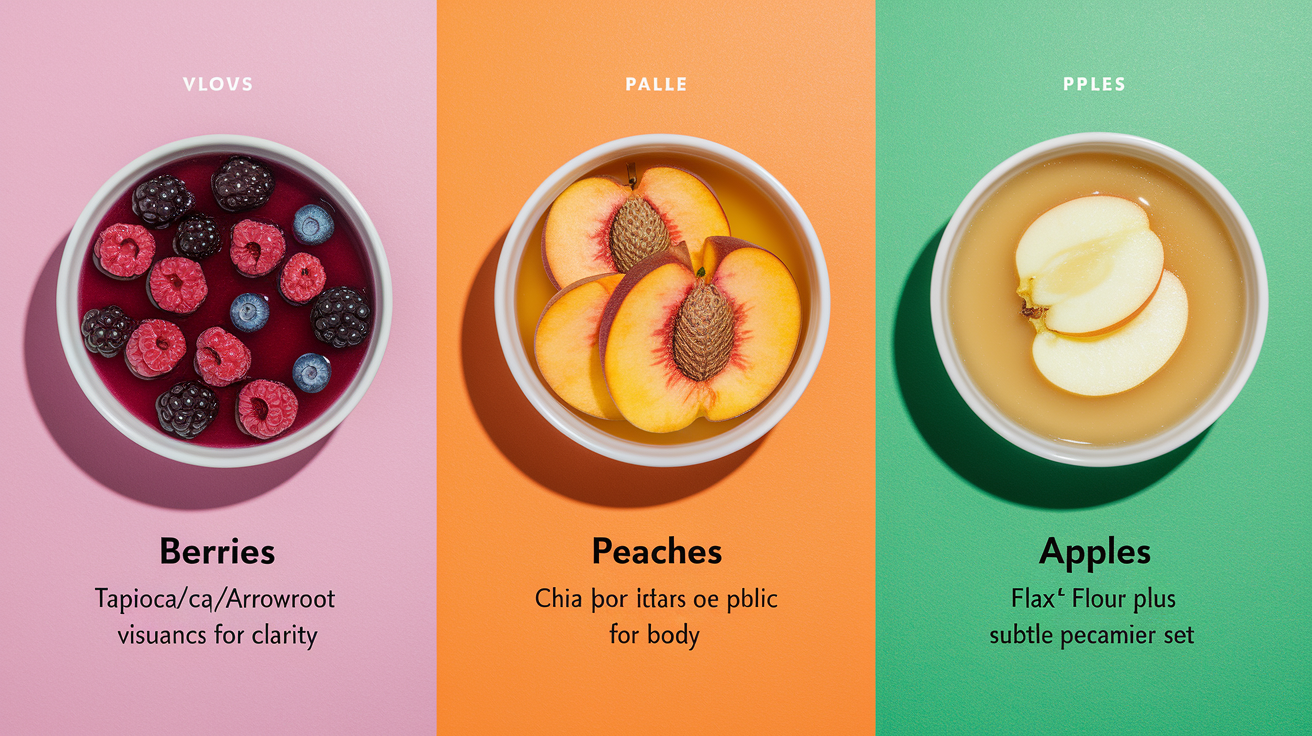
Different fruits release wildly different amounts of liquid when baked, so the right thickener type and amount depend on what you’re using tonight. Berries slump and weep if you under-thicken them, peaches can turn soupy when perfectly ripe, and apples hold together with very little help because they contain natural pectin that firms up as they cook.
Very juicy fruit, especially fresh summer berries and stone fruit, may need about 25% more thickener than the standard ratio to compensate for extra moisture. If your strawberries or raspberries feel wet when you rinse them, or if peaches drip juice when you slice them, bump the thickener by an extra teaspoon or tablespoon depending on batch size.
Apples, cranberries, and tart cherries need less thickener because they release less liquid and their natural pectin helps the filling hold together. Flour and tapioca both work well with these fruits, but tapioca gives a clearer finish that shows off the fruit color. Flour creates a creamier, more opaque sauce that feels homestyle and comforting.
| Fruit | Moisture Level | Recommended Thickener Type | Increase Needed |
|---|---|---|---|
| Berries (strawberries, blueberries, raspberries) | High | Tapioca or arrowroot for clear finish; flour for creamy | +25% if very ripe or wet |
| Peaches, nectarines, plums | Medium to high | Tapioca or chia; flour if you like opaque filling | +15–25% for peak-season fruit |
| Apples, tart cherries, cranberries | Low to medium | Flour or minimal tapioca; natural pectin helps | None; reduce by 10% if using tart apples |
| Mixed fruit blends | Variable | Tapioca or arrowroot for universal coverage | +10–15% as safety buffer |
Pre-Cooking, Reduction, and Other Heat-Based Ways to Thicken Cobbler Filling
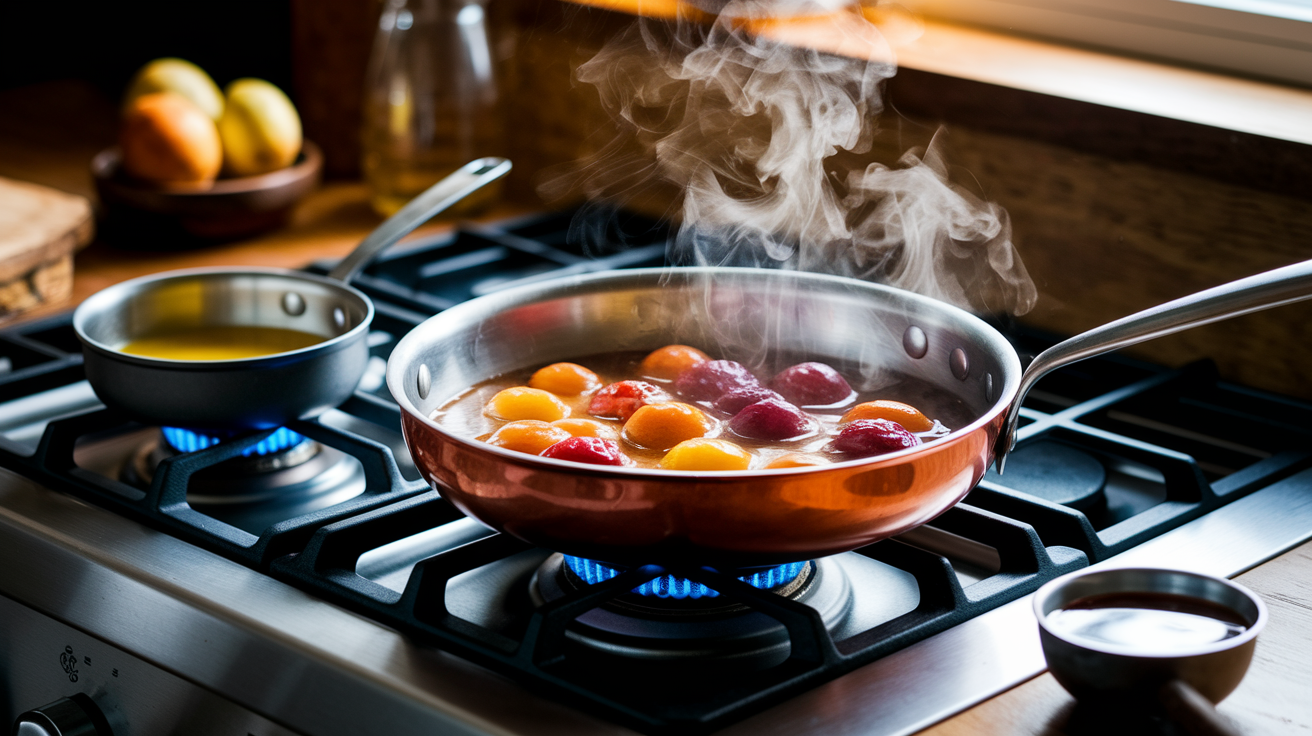
Simmering fruit on the stovetop before baking evaporates excess liquid and concentrates natural sugars, which creates a thicker, jammier base without any starch at all. This method works especially well when you’re using frozen fruit, canned fruit, or very juicy fresh berries that would otherwise flood the bottom of your cobbler with liquid.
Cooking the fruit into a quick compote takes about 10 to 15 minutes and gives you total control over how thick the filling becomes before it ever hits the oven. You can see exactly how much the mixture has thickened, taste it for sweetness, and adjust as you go instead of hoping it sets correctly after baking.
Here’s how to pre-cook fruit into a thicker cobbler base:
- Combine fruit, sugar, and a pinch of salt in a large skillet or wide saucepan over medium heat.
- Stir gently as the fruit heats and releases juice, then let it simmer steadily for 8 to 12 minutes, stirring occasionally.
- Watch for the liquid to reduce by about one-third. It should look glossy and coat the back of a spoon instead of running off in a thin stream.
- Remove the pan from the heat and let the fruit cool to room temperature before transferring it to your baking dish.
- Add your topping and bake as usual, knowing the filling’s already thick and won’t turn soupy.
Troubleshooting Runny Cobbler Filling Without Cornstarch
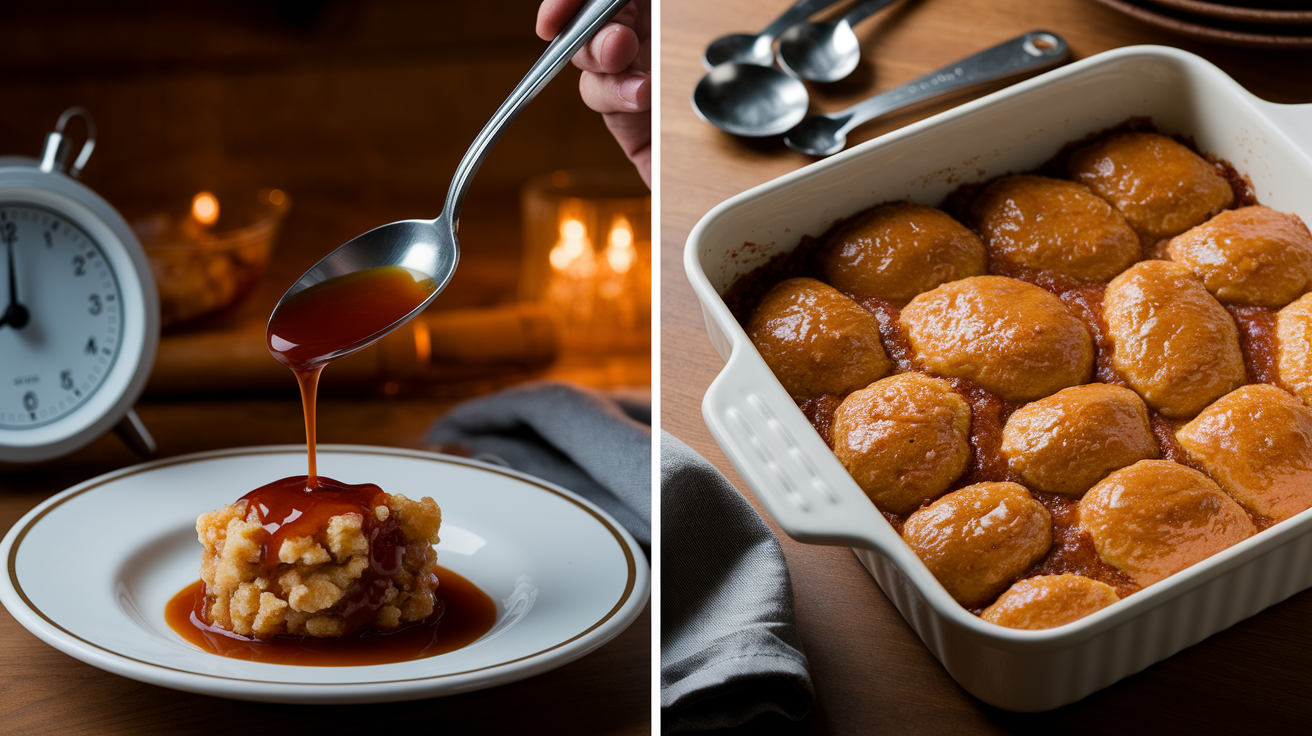
Runny filling happens when fruit releases more liquid than expected, when the thickener didn’t hydrate fully, or when you sliced into the cobbler before it cooled completely. Cooling is critical because most thickeners need time to finish setting as the filling cools from steaming hot to warm, so cutting too early breaks the gel and lets juice flood out.
Deep-dish cobblers trap more steam and moisture than open-faced or lattice-top styles, which means they need extra thickener to compensate. If you adapted a recipe from a single-crust pie or a shallow bake, increase the thickener by 10 to 15% to prevent a soupy bottom.
- Under-thickened signs: Filling looks watery or thin around the edges after baking, or it runs off the spoon instead of clinging in soft mounds
- Cooling fix: Let the cobbler sit at room temperature for at least 2 hours, or up to 4 hours in warm weather, before cutting
- Tapioca clumping: Make sure instant tapioca rests with the fruit for at least 15 minutes before baking so it hydrates evenly
- Flour cloudiness: Normal behavior; if you want a clearer finish, switch to tapioca or arrowroot next time
- Recipe conversion from cornstarch: Replace 1 tablespoon cornstarch with 2 tablespoons flour, 1½ tablespoons tapioca, or 1½ tablespoons arrowroot
- Quick post-bake fix: If filling’s still too loose after cooling, scoop it into a saucepan and simmer gently for 3 to 5 minutes to reduce extra liquid, then pour it back into the dish
Final Words
Start thickening right away with pantry swaps: flour, instant tapioca, arrowroot, chia, or a quick reduction. The guide gave conversion ratios, a simple 5-step method, and a quick flour roux for cloudy fillings.
We also covered when to pre-cook fruit, fruit-specific tweaks (berries often need more thickener), and starch-free options like mashed fruit and chia.
If you’re still wondering how to thicken cobbler filling without cornstarch, try a short stovetop reduction or a chia quick-set, then let it cool to finish. You’ll have bubbling, jammy filling and a buttery, crisp top.
FAQ
Q: What is a substitute for cornstarch in cobblers?
A: A substitute for cornstarch in cobblers is flour (use about twice the volume), instant tapioca (roughly equal; pearls 1 tbsp per cup fruit), arrowroot (1:1), or chia (1 tsp per cup).
Q: How to fix runny cobbler? / How do you thicken cobbler?
A: To fix a runny cobbler or thicken it, let it cool to help juices set, or scoop filling into a pan and simmer with flour, tapioca, or arrowroot until jammy, then return and finish baking.
Q: What are some common mistakes to avoid when making cobblers?
A: Common mistakes to avoid when making cobblers are under-thickening fruit, skipping a rest so the filling stays loose, using too-wet fruit without adjusting, overcrowding the pan, and underbaking the topping.