

Think cobbler is old-fashioned and fussy? Think again.
This old-fashioned fruit cobbler with biscuit topping is simply jammy fruit under a rustic, drop-style biscuit blanket, six cups of sliced fruit tossed with sugar, a touch of cornstarch, and lemon, then dotted with butter, topped with rough, buttery biscuits that bake to golden edges and a crackly top.
This recipe walks you through each simple step and clear doneness cues so you get flaky topping, bubbling filling, and a warm, crowd-pleasing dessert that’s easy enough for weeknights.
Essential Overview of an Old-Fashioned Biscuit-Topped Fruit Cobbler

An old-fashioned fruit cobbler with biscuit topping is built from two simple parts: a generous layer of sweetened, juicy fruit and a rustic blanket of drop-style biscuit dough. The fruit (about six cups of sliced peaches, berries, or apples) gets tossed with sugar, cornstarch, and lemon juice, then spooned into a single baking dish. The biscuit topping is made from flour, cold butter, baking powder, and buttermilk or milk, dropped in rough mounds directly over the fruit. During baking, the fruit releases its juices and thickens while the biscuits rise and turn golden. You end up with a dessert that’s half spoon-tender filling and half buttery baked dough.
Typical ingredient ratios keep the prep simple and predictable. You’ll use 1⁄3 to 1⁄2 cup granulated sugar per six cups of fruit (adjusted for ripeness), two to three tablespoons of cornstarch for thickening, and a tablespoon of fresh lemon juice to brighten flavor. The biscuit topping calls for 1 1⁄2 cups all-purpose flour, six tablespoons of cold unsalted butter, one tablespoon baking powder, and about 1⁄2 cup of milk or buttermilk. Bake at 375°F for 35 to 45 minutes until the topping is deep golden brown and the filling bubbles vigorously around the edges and through the center.
Authentic old-fashioned preparation depends on a few defining traits:
- Fruit is macerated with sugar for 10 to 30 minutes to release natural juices before baking
- Cold butter is cut into the flour until it forms pea-sized crumbs, keeping the biscuit dough flaky
- Dough is dropped by spoonfuls rather than rolled out, creating uneven, craggy tops
- Small gaps are left between biscuit mounds to allow steam to escape and fruit to bubble through
- The cobbler bakes at 375°F (190°C) in a single skillet or shallow baking dish
- Doneness is confirmed by golden-brown biscuits and thick, bubbling fruit juices visible at the pan’s edges
Core Fruit Filling Method for a Homemade Cobbler

Start with six cups of prepared fruit. If you’re working with peaches, peel them by scoring an X on the bottom, boiling for 30 seconds, then plunging into ice water. The skins will slide off easily. Pit and slice into 1⁄2-inch wedges. For berries, a quick rinse and drain is all you need. Apples should be peeled, cored, and sliced to match the thickness of peach wedges so they cook evenly.
Toss the fruit in a large bowl with 1⁄2 cup granulated sugar (use 1⁄3 cup for very ripe, sweet fruit or 3⁄4 cup for tart apples), two to three tablespoons cornstarch, one tablespoon fresh lemon juice, a pinch of salt, and optional vanilla or cinnamon. Let the mixture sit for 10 to 30 minutes if you have time. This maceration step pulls natural sugars and moisture from the fruit, creating a base of syrupy juice that thickens beautifully during baking. After maceration, transfer the fruit directly to your baking dish. Dot with one to two tablespoons of unsalted butter cut into small pieces. The butter melts into the juices and adds richness.
Adjust the thickener based on your fruit choice to avoid runny or pasty filling:
- Peaches and nectarines: 2 to 3 tablespoons cornstarch per 6 cups sliced fruit
- Berries (blueberries, blackberries, raspberries): 1 to 2 tablespoons cornstarch per 5 to 6 cups
- Apples and pears: 3 tablespoons cornstarch per 6 cups, plus 1⁄2 teaspoon cinnamon
- Cherries and plums: 2 tablespoons cornstarch per 6 cups
- Canned peaches (drained): 1 tablespoon cornstarch per 6 cups (they’re already soft and less juicy)
Biscuit Dough Technique for Fluffy, Golden Cobbler Topping
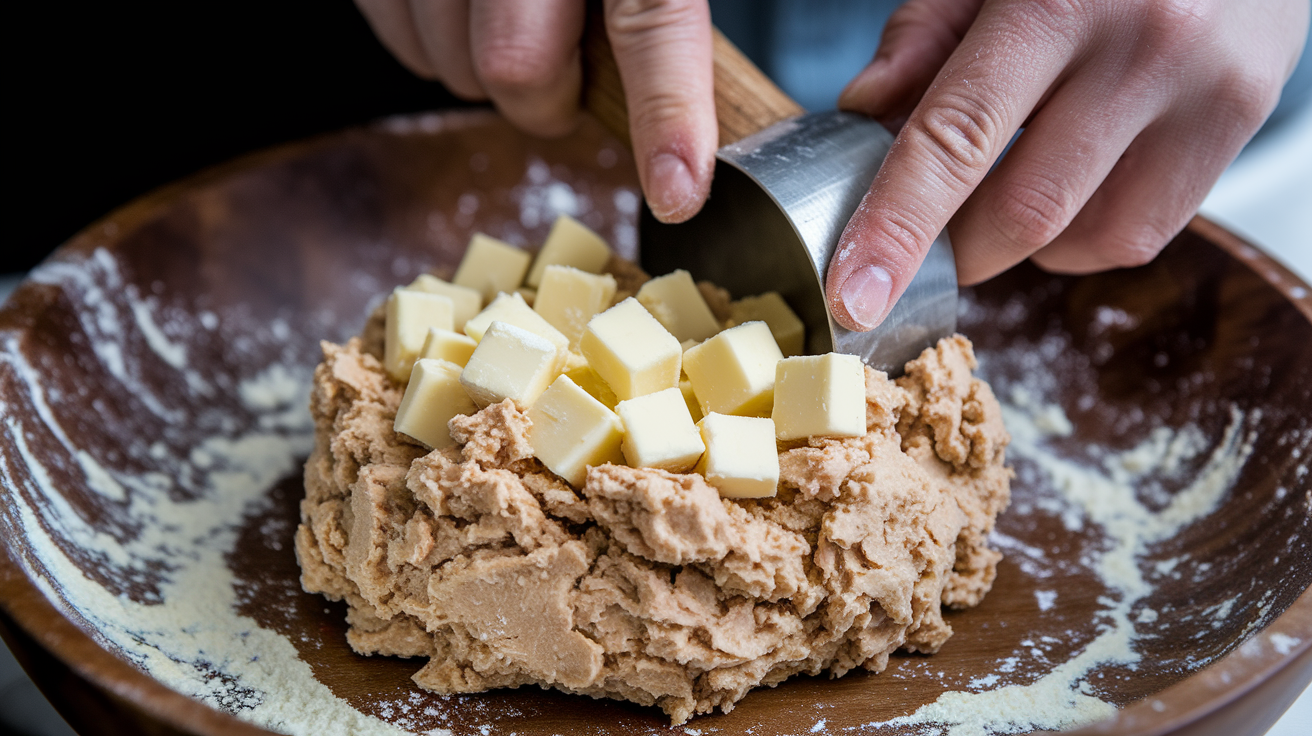
Biscuit dough for cobbler is intentionally sticky and rough. In a large mixing bowl, whisk together 1 1⁄2 cups all-purpose flour, two tablespoons granulated sugar, one tablespoon baking powder, and 1⁄2 teaspoon fine salt. The sugar adds subtle sweetness and helps the topping brown. Baking powder gives you lift, creating tender, cake-like biscuits that stay light even when soaked with fruit juices at the edges.
Add six tablespoons of cold unsalted butter, cut into 1⁄2-inch cubes. Use a pastry cutter, two forks, or your fingertips to work the butter into the flour until the mixture looks like coarse sand with some pea-sized lumps still visible. Those lumps will melt during baking and create pockets of steam, giving you flaky layers. Pour in 1⁄2 cup whole milk or buttermilk and stir gently with a wooden spoon until the dough just comes together. It should be shaggy and sticky, not smooth. If the dough feels stiff or crumbly, add one to two tablespoons more liquid, a little at a time. Overmixing turns biscuits tough, so stop as soon as the dry flour disappears.
Cutting in Butter for Flaky Layers
Cold butter is the single most important detail for a tender, flaky biscuit topping. If your kitchen is warm, freeze the cubed butter for 10 minutes before mixing it into the flour. Some bakers grate frozen butter on the large holes of a box grater directly into the flour bowl. This spreads the fat evenly and keeps it from warming in your hands. Work quickly and avoid squeezing or kneading the dough. The goal? Keep small pieces of solid fat suspended in the flour so they release steam as the cobbler bakes. If your dough starts to feel greasy or soft, pop the whole bowl into the refrigerator for five minutes to firm the butter back up before dropping it over the fruit.
Assembling and Baking the Fruit Cobbler

Preheat your oven to 375°F and position the rack in the center. Choose a 9- to 10-inch cast-iron skillet or an 8×8-inch to 9×13-inch baking dish depending on the volume of fruit. Six cups of fruit fits comfortably in a 9-inch skillet or 8×8-inch pan. Pour the prepared fruit filling into the dish, spreading it into an even layer. Use a tablespoon or small ice cream scoop to drop eight to ten rough mounds of biscuit dough over the fruit, spacing them about an inch apart. The gaps allow steam to escape and fruit juices to bubble through. Don’t flatten or smooth the dough. Leave the tops craggy.
Brush the tops of the biscuit mounds with one tablespoon of melted butter, heavy cream, or whole milk. This promotes deep golden browning and adds a glossy finish. If you like extra texture and sweetness, sprinkle coarse sugar or a pinch of cinnamon-sugar over the brushed dough. Slide the dish into the oven and bake for 35 to 45 minutes without opening the door. The cobbler is done when the biscuits are set in the center, uniformly golden brown, and the fruit filling is bubbling vigorously at the edges and through the gaps between biscuits. Let the cobbler rest for 10 to 15 minutes before serving so the juices thicken slightly.
| Step | Key Detail | Expected Result |
|---|---|---|
| Spacing biscuit dough | Drop 8–10 mounds with 1-inch gaps between | Steam escapes, fruit bubbles through, biscuits bake evenly |
| Brushing topping | Use melted butter or cream before baking | Deep golden color and glossy finish |
| Pan selection | 9–10-inch skillet or 8×8–9×13 dish | Proper depth for fruit layer and even heat distribution |
| Doneness cues | Biscuits golden, fruit bubbling at edges and center | Set topping, thickened filling, no raw dough or watery sauce |
Fruit Variations and Seasonal Cobbler Adaptations
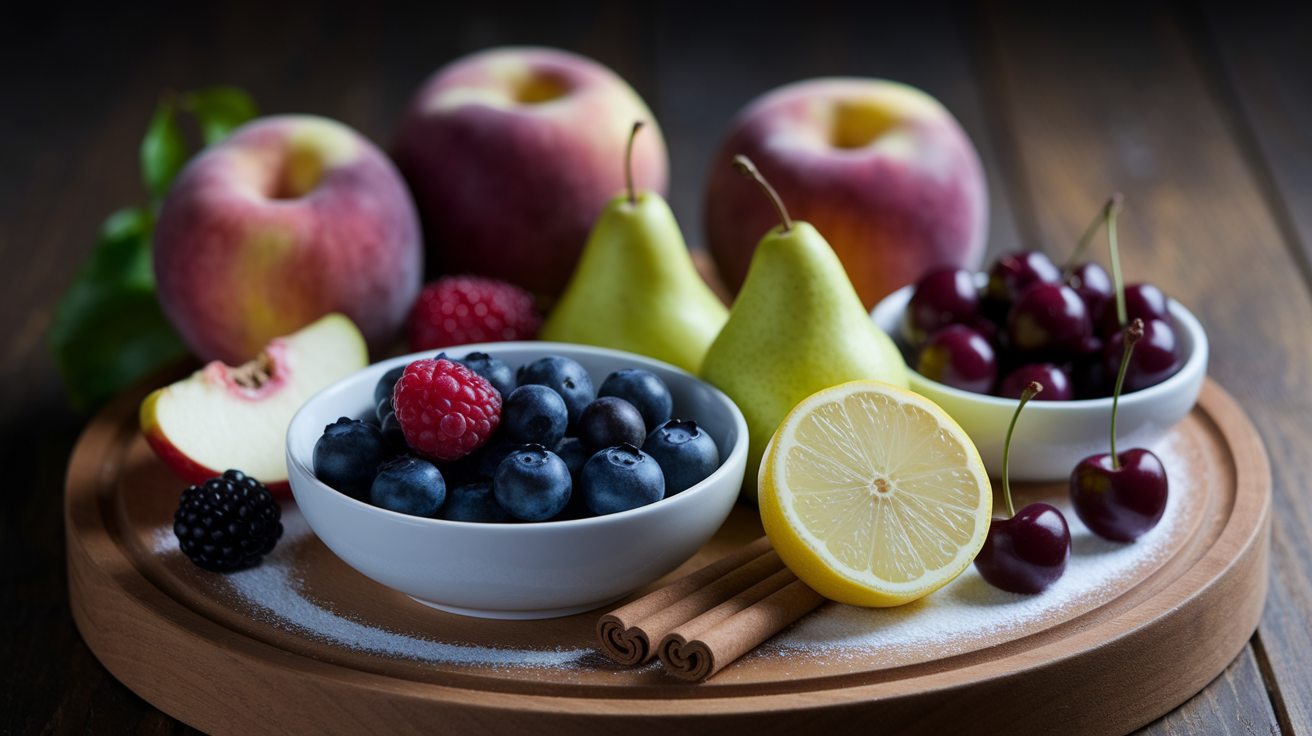
Peaches are traditional, but nearly any fruit works in a biscuit-topped cobbler. Mixed berries create a bright, tart filling that pairs beautifully with the slightly sweet biscuits. Use four to six cups of blueberries, blackberries, or raspberries, and reduce the cornstarch to one to two tablespoons since berries release less juice than stone fruit. If you’re baking with apples or pears, increase the cornstarch to three tablespoons and add 1⁄2 teaspoon ground cinnamon or a pinch of nutmeg. Firm apples like Granny Smith might need a quick par-cook. Toss them with sugar and spices, cover, and microwave for five to seven minutes until slightly softened before assembling the cobbler.
Frozen fruit is a reliable year-round option. Don’t thaw it first. Just toss the frozen pieces with sugar, cornstarch, and lemon juice, then add an extra tablespoon of cornstarch and five to 10 minutes to the bake time. Canned peaches or pears also work in a pinch. Drain them well, pat dry with paper towels, and use only one tablespoon of cornstarch since canned fruit is already soft and less juicy.
Quick fruit and spice pairings for easy seasonal swaps:
- Blueberries, lemon zest, 1⁄4 teaspoon cardamom
- Blackberries, fresh ginger (1 teaspoon grated)
- Cherries (pitted), almond extract (1⁄2 teaspoon), 2 tablespoons cornstarch
- Plums, cinnamon, 1 tablespoon orange juice instead of lemon
- Strawberries (halved), rhubarb (1-inch pieces), 3 tablespoons cornstarch, 1⁄2 cup sugar
- Apples, cranberries (1 cup fresh or frozen), 1 teaspoon cinnamon, 3 tablespoons cornstarch
Dietary and Ingredient Substitutions for Biscuit-Topped Cobblers

Gluten-free biscuit topping can be made with a 1:1 gluten-free flour blend that includes xanthan gum. Swap it directly for the all-purpose flour and keep all other measurements the same. The texture will be slightly more crumbly and less flaky, but still tender and golden. For dairy-free cobbler, replace the butter with coconut oil (use the solid, refrigerated kind and cut it into cubes just like butter) and swap the milk or buttermilk for unsweetened almond milk, oat milk, or coconut milk. To mimic buttermilk’s tang, add one teaspoon of lemon juice or white vinegar to the dairy-free milk and let it sit for five minutes before mixing into the dough.
Low-sugar versions work well if your fruit is very ripe. Cut the sugar in the filling to 1⁄4 cup and rely on the fruit’s natural sweetness. The biscuit topping still needs its two tablespoons of sugar for proper browning, but you can reduce it to one tablespoon if you prefer a less sweet top.
| Substitution Type | Replacement Ingredient | Expected Texture Result |
|---|---|---|
| Gluten-free flour | 1:1 GF blend with xanthan gum | Slightly crumbly, less flaky, still tender |
| Dairy-free butter | Solid coconut oil (chilled and cubed) | Similar flakiness, mild coconut flavor |
| Dairy-free milk | Almond, oat, or coconut milk + 1 tsp acid | Comparable rise and moisture |
| Low sugar | Reduce filling sugar to 1⁄4 cup | Less sweet, fruit flavor more pronounced |
| Vegan (egg-free) | No eggs needed in this recipe | Standard cobbler texture maintained |
Make-Ahead Preparation, Storage, Refrigeration, and Freezing
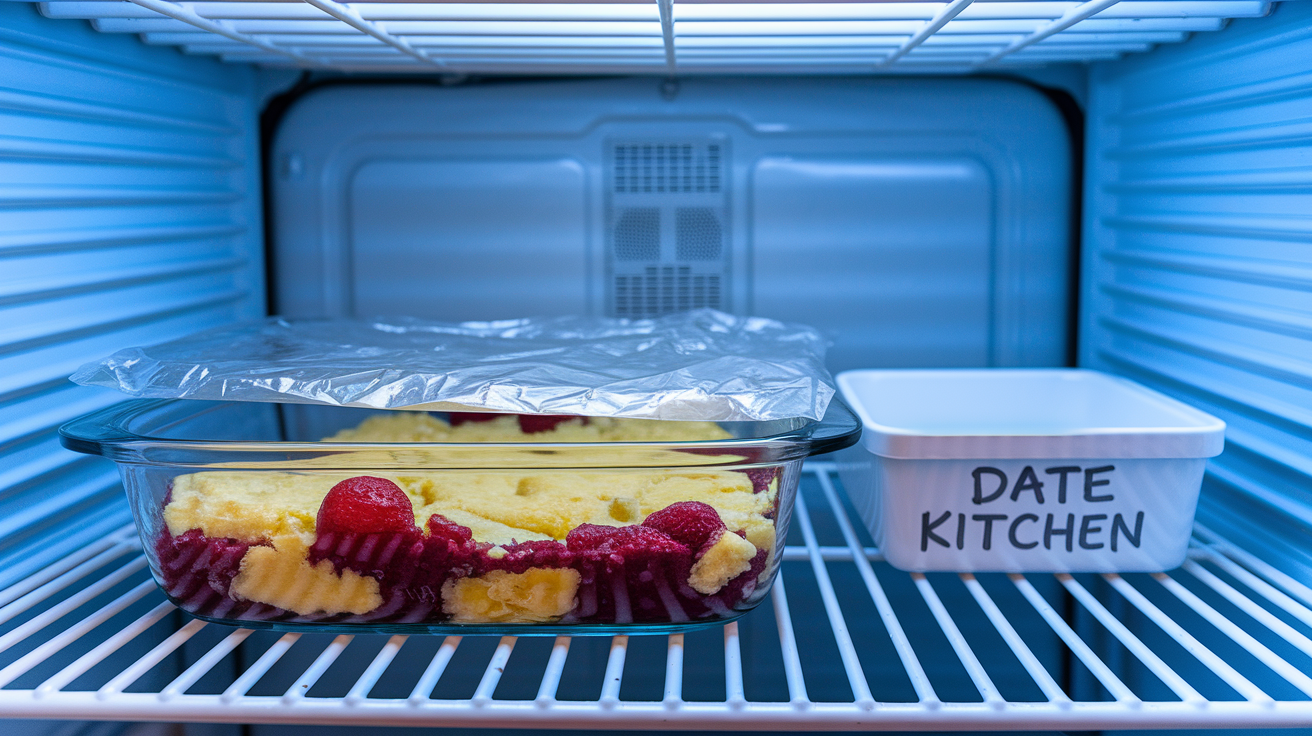
You can prepare the fruit filling up to 24 hours in advance. Toss the fruit with sugar, cornstarch, and lemon juice, then transfer it to an airtight container and refrigerate. When you’re ready to bake, bring the filling to room temperature for 15 to 20 minutes, stir, and pour it into your baking dish. Make the biscuit dough fresh just before baking for the best rise and texture. If you need to assemble the entire cobbler ahead, drop the biscuit dough over the fruit, cover the dish tightly with plastic wrap, and refrigerate for up to 12 hours. Bake it straight from the fridge, adding five to 10 minutes to the bake time.
Baked cobbler keeps in the refrigerator for three to four days. Cover it loosely with foil to prevent the topping from getting soggy. To freeze a baked cobbler, let it cool completely, wrap the entire dish in plastic wrap and then aluminum foil, and freeze for up to two months. Thaw overnight in the refrigerator before reheating. You can also freeze an unbaked assembled cobbler. Wrap it well and bake from frozen, covering with foil for the first 30 minutes to prevent over-browning, then removing the foil and baking until the filling bubbles and the topping is golden, about 45 to 60 minutes total at 350°F.
Reheating instructions for best texture:
- Single portions: microwave uncovered for 60 to 90 seconds until warm and steamy
- Half or whole cobbler: reheat at 350°F for 10 to 15 minutes, uncovered, until the topping crisps and the filling bubbles at the edges
- Frozen baked cobbler: thaw overnight, then reheat at 350°F for 15 to 20 minutes
- From-frozen unbaked cobbler: cover with foil, bake at 350°F for 30 minutes, remove foil, continue 20 to 30 minutes until golden and bubbling
Serving Ideas for a Warm Biscuit-Topped Fruit Cobbler
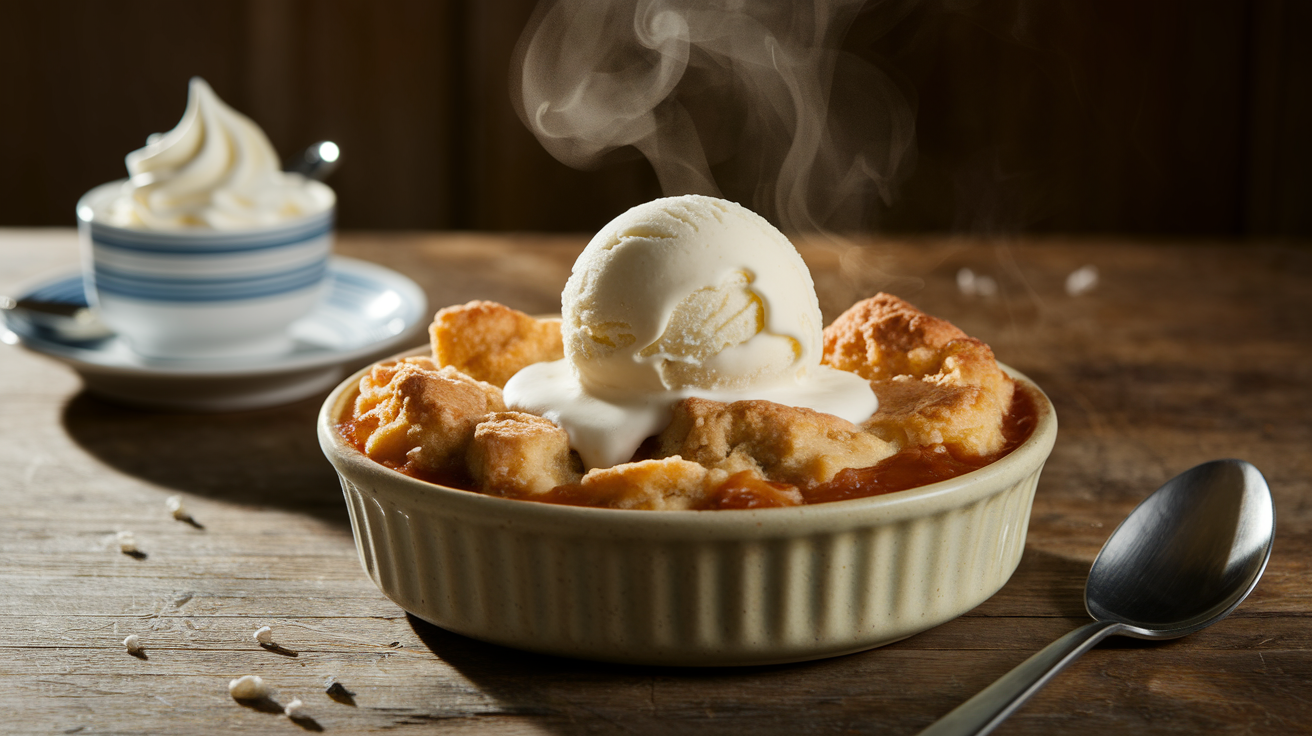
Cobbler’s best served warm, about 10 to 15 minutes after it comes out of the oven. This short rest lets the filling thicken just enough so it doesn’t run all over the plate, but it’s still soft and scoopable. Spoon generous portions into shallow bowls, making sure each serving gets at least one biscuit mound and plenty of fruit. Pour a little of the pan juices over the top. That glossy, slightly thickened syrup is the best part.
Classic pairings and simple finishing touches:
- Vanilla ice cream (French vanilla works especially well with peach or berry cobbler)
- Lightly sweetened whipped cream, dolloped on top while the cobbler is still warm
- Plain Greek yogurt or crème fraîche for a tangy contrast
- A light dusting of powdered sugar or a sprinkle of flaky sea salt for extra flavor pop
Troubleshooting Common Cobbler Mistakes
Runny filling is the most common issue, and it’s almost always a thickener problem. Juicy fruits like peaches and plums need two to three tablespoons of cornstarch per six cups of fruit. Berries need less (one to two tablespoons) because they release less moisture. If your baked cobbler looks soupy, the filling was likely undertightened or underbaked. Make sure the juices are bubbling vigorously in the center of the dish, not just at the edges, before you pull it from the oven. Resting the cobbler for 10 to 15 minutes after baking also helps the cornstarch finish its job and thicken the sauce.
Dry or crumbly biscuit dough usually means too little liquid or overmixing. The dough should look shaggy and feel sticky when you scoop it. If it’s stiff or won’t hold together, add one to two tablespoons more milk or buttermilk. On the flip side, pale or doughy biscuits mean the oven wasn’t hot enough or the bake time was too short. Always preheat fully to 375°F and bake until the tops are deep golden brown with a few darker spots.
Quick fixes for the most frequent problems:
- Watery filling after baking: add 1 extra tablespoon cornstarch next time, or let the cobbler rest 15 to 20 minutes to thicken before serving
- Soggy biscuit bottoms: space biscuit mounds farther apart to allow steam to escape, and bake on the center oven rack for even heat
- Overly sweet filling: reduce sugar to 1⁄3 cup for very ripe fruit, and add an extra teaspoon of lemon juice for balance
- Tough biscuits: keep butter cold, mix just until combined (8 to 10 stirs), and avoid pressing or kneading the dough
- Uneven browning: rotate the pan halfway through baking, and brush biscuit tops with melted butter before baking for more color
Final Words
Make the fruit filling with about 6 cups fruit, sugar to taste, and two to three tablespoons cornstarch so it thickens while bubbling in the center.
Drop cold-butter biscuit scoops over the fruit, brush with a little melted butter, and bake at 375°F until the biscuits are golden and the edges are bubbling.
This old fashioned fruit cobbler with biscuit topping recipe is forgiving, easy to tweak by season, and extra-good served warm with a scoop of vanilla. Enjoy.
FAQ
Q: What defines an old-fashioned biscuit-topped fruit cobbler?
A: An old-fashioned biscuit-topped fruit cobbler is a juicy fruit base topped with drop biscuits, baked until the filling bubbles and biscuits are golden, showing cold-butter biscuits, simple sugar, and rustic spacing.
Q: How much fruit, sugar, and thickener should I use?
A: The amounts: about 6 cups fruit (≈2 lb), 1/3–1/2 cup sugar, and 1–3 tablespoons cornstarch, increasing for apples and decreasing for berries to match juiciness.
Q: What are the biscuit topping ingredients and proportions?
A: The biscuit topping ingredients and proportions are 1½ cups flour, 6 tablespoons cold butter, 1 tablespoon baking powder, ½ teaspoon salt, and ½ cup milk or buttermilk; drop 8–10 spoonfuls over the fruit.
Q: At what oven temperature and how long should I bake cobbler?
A: Bake the cobbler at 375°F for 35–45 minutes, or until the filling bubbles vigorously and biscuit tops are golden with set centers; add a few extra minutes for frozen fruit.
Q: Should I use fresh, frozen, or canned fruit?
A: The fruit choice: fresh gives best texture, frozen works straight from the freezer (add a few minutes), and canned is a quick shortcut—drain well and cut back on added sugar.
Q: How do I prevent a soggy topping?
A: Prevent a soggy topping by spacing biscuit mounds evenly, not overcrowding, using cold butter and a slightly sticky dough, and baking until the filling bubbles and biscuits are golden.
Q: Cornstarch vs flour — which thickener should I use?
A: Use cornstarch for a clearer, glossy sauce with less floury taste; use flour for a softer, cloudier sauce—cornstarch needs less quantity to reach the same thickness.
Q: How do I cut in butter for flaky biscuit layers?
A: Cut in butter for flaky layers by keeping it cold, rubbing or grating it into flour until pea-sized pieces remain, then mix minimally so cold pockets create lift while baking.
Q: Any good substitutions for gluten-free or dairy-free cobblers?
A: For gluten-free or dairy-free cobblers, use a cup-for-cup GF flour blend and coconut or avocado oil plus almond or oat milk; expect a slightly different, tender topping texture.
Q: How should I store, reheat, and freeze cobbler?
A: Store baked cobbler refrigerated 3–4 days, reheat slices 15–20 minutes at 350°F until warm, and freeze baked or unbaked; bake frozen cobbler 45–60 minutes at 350°F, tented for the first half.