

Think a runny cobbler is ruined? Think again.
Most fillings look soupy straight from the oven but often set as they cool, and when they don’t, quick fixes can save the day.
From a short rest to a cornstarch slurry, a brief re-bake, or a quick stovetop reduction, you can thicken the filling without wrecking the topping.
This short guide shows which fix to pick, how long to wait, and the visual signs to watch so your cobbler ends up scoopable and sticky-sweet.
Immediate Fixes to Thicken Cobbler Filling After Baking
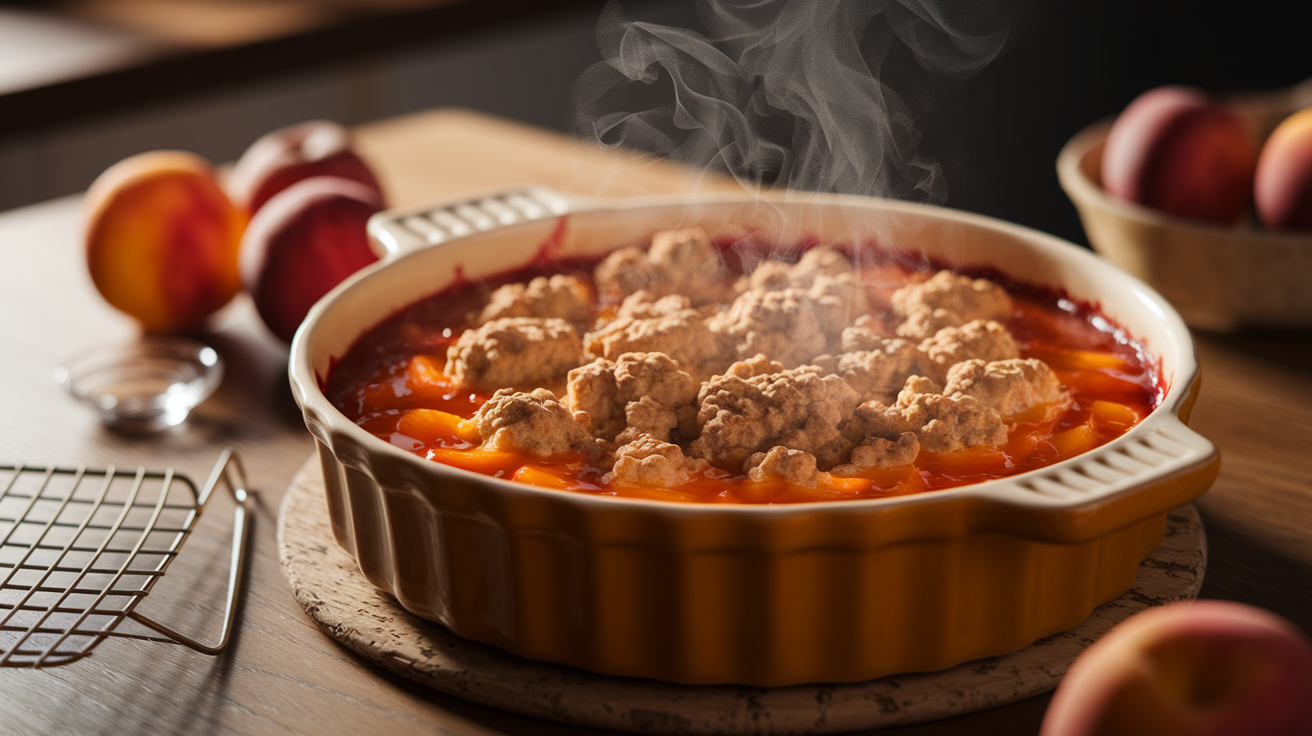
Your cobbler just came out of the oven and the filling’s splashing around like soup. Don’t panic. Most runny fillings can be fixed, and some firm up on their own without any help at all.
Heat activates starch, but cooling sets it. Lots of fruit fillings look loose straight out of the oven, then firm up as they drop to room temperature. The thickeners inside, cornstarch or tapioca or arrowroot, need that cooling window to finish their work and lock the juices in place.
If waiting doesn’t solve it, you’ve got quick backup plans. Evaporation, reduction, careful reheating. All of these pull excess liquid out of the filling without adding new ingredients. They take minutes, and they work with any cobbler topping still in place.
-
Let the cobbler rest 10 to 30 minutes. Set the dish on a wire rack and leave it alone. As the filling cools, dissolved starches bond with water and form a gel. What looks watery at 200°F often sets to spoonable thickness by the time it hits 120°F. If your cobbler’s only slightly runny, this single step may be all you need.
-
Re-bake uncovered at 350 to 375°F for 15 to 30 minutes, checking every 10. Pull off any foil or lid so steam can escape. Watch for the filling to bubble steadily in the center, not just at the edges. The extra oven time drives off water through evaporation and gives any starch that was shy about activating a second chance.
-
Remove topping if necessary and reduce filling on stovetop 5 to 20 minutes. Scoop the fruit into a wide saucepan. Simmer over medium heat, stirring now and then, until the liquid reduces by about a third. You’ll see the sauce cling to the spoon and the bubbles turn thicker and slower. Spoon the thickened filling back into the dish, top with your crust or crumble if you took it off, and warm everything together in a 350°F oven for 8 to 12 minutes.
-
Use broil or hot air very briefly to speed evaporation, with cautions. Set your oven to broil (high) or convection if you have it, and slide the uncovered cobbler onto the top rack for 3 to 5 minutes. Keep the door cracked and your eyes on the filling. This method works fast but can scorch the topping or caramelize sugar too hard if you walk away.
-
Refrigerate 2 to 4 hours for a chilled set if only slightly runny. Cool the cobbler to room temperature first, then cover loosely and move it to the fridge. Tapioca, arrowroot, gelatin-based fillings all firm as they chill. Cornstarch will set a bit more too, though not as dramatically. Chilled cobbler scoops cleanly and pairs well with whipped cream or a scoop of vanilla.
Using a Cornstarch Slurry to Fix Runny Cobbler Filling

A cornstarch slurry is the fastest, most reliable fix when your cobbler filling refuses to cooperate. It works because you’re adding fresh starch that’ll activate the moment it hits heat. No waiting required. The technique’s simple: mix cornstarch with cold water until smooth, stir it into hot filling, simmer for a minute or two until the mixture turns glossy and thick.
The key is working with separated liquid. If your cobbler’s already baked, spoon out some of the hot, loose filling into a bowl or measuring cup so you have room to whisk without creating lumps. You can also transfer the entire filling to a saucepan if it’s very soupy. This gives you better control and makes it easier to see when the slurry’s done its work.
Measuring and Separating Juices
Start by scooping 1/2 to 1 cup of the runny filling into a small bowl or glass measuring cup. Look at how much liquid pools at the bottom. That tells you how aggressive you need to be with the slurry. For a typical 4-cup cobbler with noticeably thin filling, plan on 2 to 3 tablespoons of cornstarch total. If only a few tablespoons of juice are sloshing around, 1 tablespoon of cornstarch will do.
Keep the rest of the filling warm in the baking dish or in a saucepan over low heat. Cold fruit will seize up the slurry before it has a chance to thicken evenly, so you want everything at least steaming when you add the starch back in.
Making a Smooth Cornstarch Slurry
In a separate small bowl or cup, combine 1 tablespoon of cornstarch with 1 tablespoon of cold water. Use a fork or small whisk and stir until the mixture’s completely smooth with no chalky lumps floating around. The slurry should look like thin white paint. If it’s gritty, keep whisking.
For 2 tablespoons of cornstarch, use 2 tablespoons of cold water. The 1:1 ratio by volume is easy to remember and gives you a slurry that blends into hot liquid without clumping. Never dump dry cornstarch straight into hot filling. It’ll turn into sticky glue balls that won’t dissolve no matter how hard you stir.
Incorporating and Cooking the Slurry
Pour the smooth slurry into the bowl of separated filling and whisk until blended. Then add that mixture back into the main filling in the dish or saucepan. Stir gently but thoroughly so the starch spreads evenly through the fruit. Place the cobbler back in a 350°F oven (uncovered) or set the saucepan over medium heat on the stovetop.
Bring the filling to a full simmer. You should see steady, rolling bubbles across the surface. Let it cook for 1 to 2 minutes, stirring once or twice. The filling will shift from cloudy and thin to glossy and thick almost instantly once the cornstarch activates. When you drag a spoon through, the path should hold for a second before filling back in. That’s your signal to stop.
If you thickened the filling on the stovetop, spoon it back into the baking dish, top with your crust or crumble if you removed it earlier, and warm the whole thing in a 350°F oven for 8 to 12 minutes so the topping crisps back up.
Avoid adding too much slurry at once. Start with the lower amount (1 tablespoon cornstarch) and give it time to activate. You can always make a second small slurry and add more if needed, but over-thickened filling turns gummy and unpleasant.
Fix lumps by straining. If you end up with clumps, pour the filling through a fine-mesh sieve into a clean bowl. Press the lumps with the back of a spoon to break them up, or just discard them and move on.
Adjust sweetness after thickening. Cornstarch itself has no flavor, but it dilutes the filling slightly. Taste and stir in an extra teaspoon or two of sugar if the fruit now tastes flat.
Expect some thinning in high-acid fillings. Lemon, lime, very tart berries can weaken cornstarch over time. If your filling was extremely acidic, the slurry may not hold as firmly, and you might need a touch more starch or a switch to arrowroot.
Prevent breakdown on reheating. Cornstarch-thickened fillings can thin out again if you reheat them multiple times or hold them at high heat for too long. Reheat gently and only once if possible, or plan to serve the cobbler soon after fixing it.
Thickening Cobbler Filling After Baking with Tapioca or Arrowroot
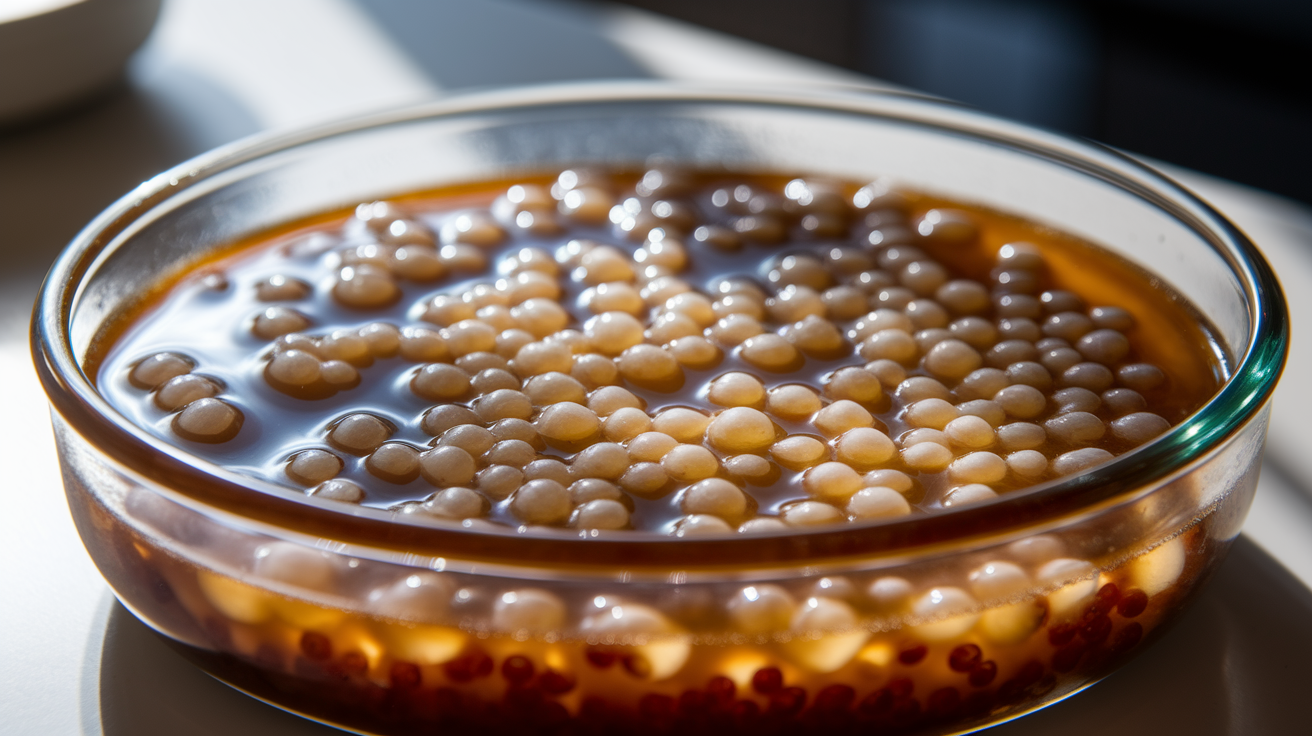
Tapioca and arrowroot are both starch-based thickeners that work beautifully with fruit. They handle heat and acid better than cornstarch in many cases. Instant tapioca (also called quick-cooking tapioca) is small, pre-cooked granules that hydrate fast and give you a clear, soft-set filling that holds up through freezing and reheating. Arrowroot is a fine white powder that thickens almost instantly, stays glossy, works well in recipes you plan to chill or freeze.
If your cobbler’s already baked and runny, you can still add either of these after the fact. Instant tapioca needs a little time to swell, so you’ll sprinkle it into the hot filling, let it sit for 10 to 15 minutes, then reheat briefly. Arrowroot works more like cornstarch. You mix it with cold water to make a slurry, stir it into hot filling, simmer just until thick. Both are naturally gluten-free and vegan, which makes them solid options if you’re serving a crowd with dietary needs.
Choose instant tapioca when your filling’s very juicy or full of berries that break down easily. The small pearls absorb liquid without making the sauce gummy, and they stay stable even if you freeze the leftovers. Pick arrowroot when you want a crystal-clear glaze or when your filling’s acidic. Arrowroot doesn’t break down in lemon juice or vinegar the way cornstarch sometimes does.
| Thickener | Ratio per 4 cups fruit | Heating requirements | Best use cases |
|---|---|---|---|
| Instant tapioca | 1 to 3 tablespoons (2 tbsp standard) | Sprinkle into hot filling, let sit 10 to 15 minutes, then simmer 2 to 3 minutes until translucent | Very juicy fruits (blackberries, rhubarb), cobblers you plan to freeze, fillings with large fruit pieces |
| Quick-cooking tapioca | 1 to 2 tablespoons | Same as instant. Hydrate in warm liquid, then heat briefly | Similar to instant, slightly faster hydration, good for peaches and mixed stone fruit |
| Arrowroot | 1 to 2 tablespoons | Mix with equal cold water, stir into hot filling, simmer 30 seconds to 1 minute. Avoid prolonged boiling | High-acid fillings (citrus, tart cherries), clear glaze look, recipes that’ll be chilled or frozen |
| Tapioca vs arrowroot | — | Tapioca needs longer hydration, arrowroot thickens faster and breaks down with extended heat | Use tapioca for robust, freezer-stable filling. Use arrowroot for delicate, glossy finish and quick fixes |
Additional Thickening Options for a Fully Cooked Cobbler

Sometimes you need a thickener that doesn’t require simmering, or you want a backup plan that works with what you already have in the pantry. Gelatin, pectin, flour, instant ClearJel all fall into this category. They’re not as common for cobblers as cornstarch or tapioca, but each has a place when you’re troubleshooting a filling that won’t set.
Gelatin works by cooling, not by heating. It’s a protein that dissolves in hot liquid and firms up as it chills, which makes it useful if you’re willing to serve the cobbler cold or at room temperature. One packet of unflavored gelatin (about 2 1/4 teaspoons) will set roughly 2 cups of liquid. Bloom it first by sprinkling it over 1 to 2 tablespoons of cold water and letting it sit for a minute until it looks spongy, then stir it into hot filling until fully dissolved. Move the cobbler to the fridge for at least 2 hours to let the gelatin do its work.
Flour is the old-fashioned thickener your grandmother might’ve used, and it’ll work in a pinch if you have nothing else. Mix 3 to 4 tablespoons of all-purpose flour with an equal amount of cold water to make a smooth paste, then whisk it into some of the hot filling. Simmer the filling on the stovetop for 5 to 10 minutes, stirring often, to cook off the raw flour taste. Flour makes a cloudy, slightly pasty sauce and needs longer cooking than starch, so it’s not the best choice if you’re in a hurry or want a clear finish.
Gelatin won’t set if you use fresh pineapple, papaya, kiwi, or figs. These fruits contain enzymes (bromelain in pineapple, papain in papaya) that break down gelatin protein. If your filling includes any of these, you must cook the fruit thoroughly first to deactivate the enzymes, or skip gelatin entirely and use a starch-based thickener instead.
Pectin stabilizes fruit but often needs sugar and acid to gel properly. It’s better suited to making jam-like fillings than fixing a runny cobbler on the fly. If you do try pectin, use a low-sugar or no-sugar-needed variety and follow the package instructions for activating it with heat.
Instant ClearJel (modified food starch) gives a stable, clear set even after cooling and reheating. You can stir it into cold or hot filling without making a slurry first. Use 1 to 2 tablespoons per 4 cups of fruit. It’s a commercial product designed for pies and fruit fillings, holds up beautifully to freezing, so if you bake cobblers often it’s worth keeping a jar on hand.
Flour-based slurries cloud the filling and add a slightly starchy mouthfeel. They work best in rustic, home-style cobblers where appearance matters less than getting the job done. Skip flour if you want a jewel-toned, glossy fruit filling.
Understanding Why Cobbler Filling Stays Runny After Baking
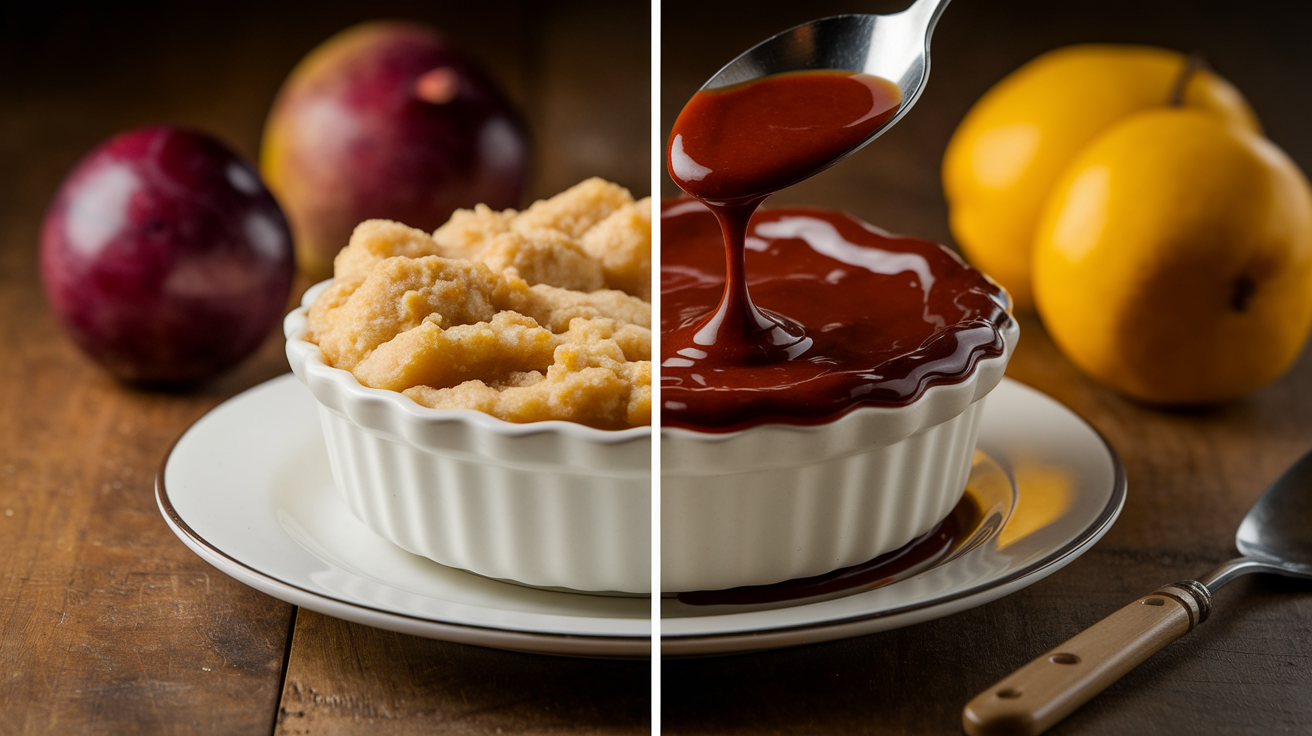
Cobbler fillings turn runny for a handful of specific reasons, and knowing which one tripped you up helps you fix it faster. The most common culprit is too much liquid relative to thickener. Fresh, ripe fruit is full of juice. Frozen fruit is even worse. Thawing releases water that was locked inside the fruit cells when it froze. A 4-cup batch of frozen berries can dump an extra 1/2 to 1 cup of liquid into your filling as it bakes.
Thickeners also fail when they never reach activation temperature. Cornstarch needs to hit a rolling simmer (around 203°F) and cook for 1 to 2 minutes to fully gelatinize. If your oven ran cool, or if you pulled the cobbler out the moment the topping looked done, the filling may have stayed lukewarm and the starch never woke up. High-acid fruits like blackberries, cranberries, citrus can weaken cornstarch’s thickening power too, so a recipe that works perfectly with peaches might leave you with soup when you swap in lemon and blueberries.
-
Excess fruit juice from very ripe, juicy, or frozen fruit. Stone fruits at peak ripeness and berries that’ve been frozen both release significantly more liquid than firmer, fresh fruit. If you didn’t adjust your thickener amount to match, the filling had more water than the starch could handle.
-
Wrong thickener choice or too little thickener. A typical cobbler made with 4 cups of fruit needs 2 to 4 tablespoons of cornstarch, or 1 to 2 tablespoons of instant tapioca or ClearJel. Cutting that amount in half because the recipe looked like it had too much powder leaves you with a thin, soupy result.
-
Underactivated starch because the filling never got hot enough. Starches thicken when they swell with heat and burst. If your oven temperature was off by 25°F, or if you covered the cobbler the entire bake and trapped cool steam instead of dry heat, the thickener may have never fully activated.
-
Acid interference weakening the starch network. Lemon juice, lime juice, vinegar, tart fruits all lower the pH of your filling. Cornstarch is sensitive to acid and can lose its thickening power if the filling’s very sour. Tapioca and arrowroot handle acid much better.
-
Incorrect sugar levels throwing off the moisture balance. Sugar draws juice out of fruit through osmosis. If you cut the sugar by half to make a “healthier” cobbler, you may have also cut the driving force that pulls liquid into solution where the starch can grab it. Too much sugar can have the opposite problem, creating a syrup so concentrated that the starch struggles to hydrate properly.
Preventing Runny Cobbler Filling in Future Bakes
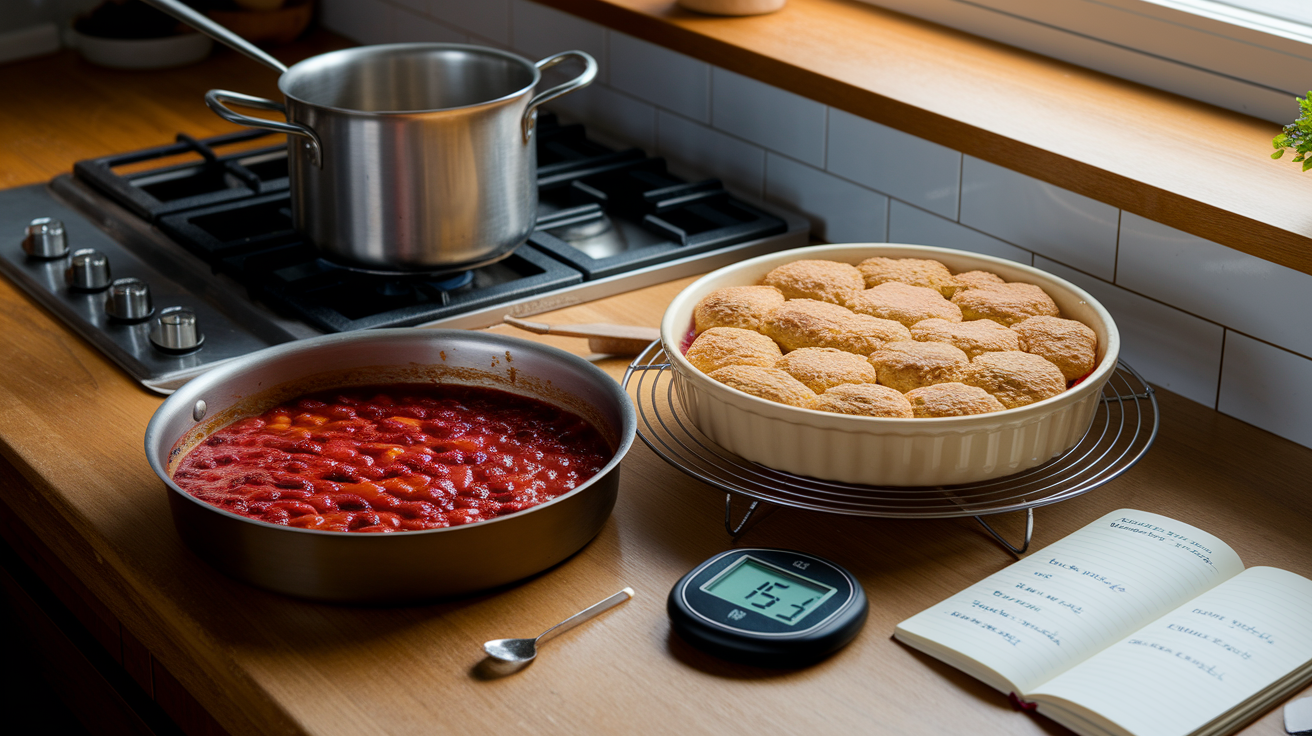
The best fix for a runny cobbler is not needing a fix at all. A few small changes to your prep and baking routine will give you a thick, scoopable filling every single time, with no emergency slurries or stovetop rescues required.
Start by choosing the right thickener for your fruit and your plan. If you’re using very juicy fruit like blackberries, rhubarb, thawed frozen peaches, reach for instant tapioca or ClearJel instead of cornstarch. They handle high moisture better. If you know you’ll freeze leftovers, skip cornstarch entirely and go with tapioca or arrowroot, both of which stay stable through freeze-thaw cycles. Measure your thickener by the amount of fruit, not by guessing. Two tablespoons of cornstarch or instant tapioca per 4 cups of fruit is a solid starting point, and you can bump it to 3 tablespoons if the fruit’s especially wet.
Pre-cooking the filling for 5 to 10 minutes before you add the topping is one of the smartest moves you can make. Toss your fruit, sugar, thickener in a saucepan, bring it to a simmer, cook just until the juices start to thicken and turn glossy. Pour the hot filling into your baking dish, add the topping, bake as usual. This method activates the starch early and lets excess liquid evaporate before the topping goes on, so you end up with a filling that’s thick from the start.
Fruit prep matters too. If you’re using frozen fruit, thaw it completely in a colander set over a bowl and let the liquid drain away for at least 30 minutes. You can even measure the drained juice and add back only half of it, keeping the rest for smoothies or cocktails. Fresh fruit benefits from a quick rest with the sugar. Toss the fruit and sugar together and let it sit for 10 to 15 minutes so the sugar can pull out some of the juice before you add your thickener. This technique, called macerating, gives you a clearer picture of how much liquid you’re really working with.
Pre-cook your thickener with the fruit and sugar for 5 to 10 minutes before assembling the cobbler. This guarantees activation and lets you see exactly how thick the filling will be before it goes in the oven. If it looks too loose, you can stir in a bit more starch while it’s still on the stovetop.
Adjust thickener amounts for very juicy fruits. Blackberries, raspberries, cherries, rhubarb, thawed frozen fruit all need more starch than firm peaches or apples. Aim for the higher end of the range, 3 to 4 tablespoons of cornstarch per 4 cups of fruit, or switch to instant tapioca.
Choose the correct starch for your needs. Cornstarch is cheap and reliable but breaks down with reheating and freezing. Instant tapioca and arrowroot stay stable. ClearJel is your best bet if you plan to freeze, reheat, or serve the cobbler a day or two later.
Drain thawed frozen fruit and pat fresh fruit dry if it looks wet. Removing visible surface moisture before mixing keeps your filling from turning into a juice bath halfway through baking.
Let the baked cobbler rest at room temperature for at least 15 minutes before serving. Most fillings continue to set as they cool. What looks slightly runny at 200°F will firm up beautifully by the time it hits 120°F, especially if you used tapioca or arrowroot.
At high altitude, increase your thickener by about 1 tablespoon per 4 cups of fruit. Lower air pressure means water evaporates faster, and fillings can dry out or concentrate unevenly. The extra starch compensates and keeps the texture smooth and thick.
Final Words
Found your cobbler a little soupy after it came out of the oven? This post gave quick, in-the-moment fixes: rest to set, re-bake uncovered to evaporate, or pull the topping and reduce the filling on the stovetop.
We also walked through making a cornstarch slurry, using tapioca or arrowroot, and other thickeners plus why fillings go runny.
Pick the fastest fix now or use the preventive tips next time. If you need it, this guide shows how to thicken cobbler filling after baking so you can serve a steamy, scoopable dessert with confidence.
FAQ
Q: How to fix runny cobbler? How do you thicken cobbler? What can I use to thicken my filling?
A: To fix a runny cobbler, thicken the filling by resting to set, re-baking uncovered to evaporate liquid, or stirring in a slurry (cornstarch or arrowroot) or instant tapioca and simmering briefly.
Q: What are some common mistakes to avoid when making cobblers?
A: Common mistakes to avoid when making cobblers are using too little thickener, not pre-cooking very juicy fruit, adding thawed fruit without draining, and skipping the resting time so juices can thicken.