

Think cobbler overflow is just bad luck?
It happens to everyone, but it’s avoidable with a few smart moves.
Skip the oven mess and keep the filling where it belongs, under a golden, buttery topping.
In this post you’ll learn simple, fast fixes: how much headspace to leave, which thickeners actually work, topping and venting tricks, plus quick mid-bake rescues if juices start to surge.
Follow these steps and you’ll pull a jammy, not messy, cobbler from the oven.
Quick-Action Methods to Stop Cobbler Filling from Bubbling Over
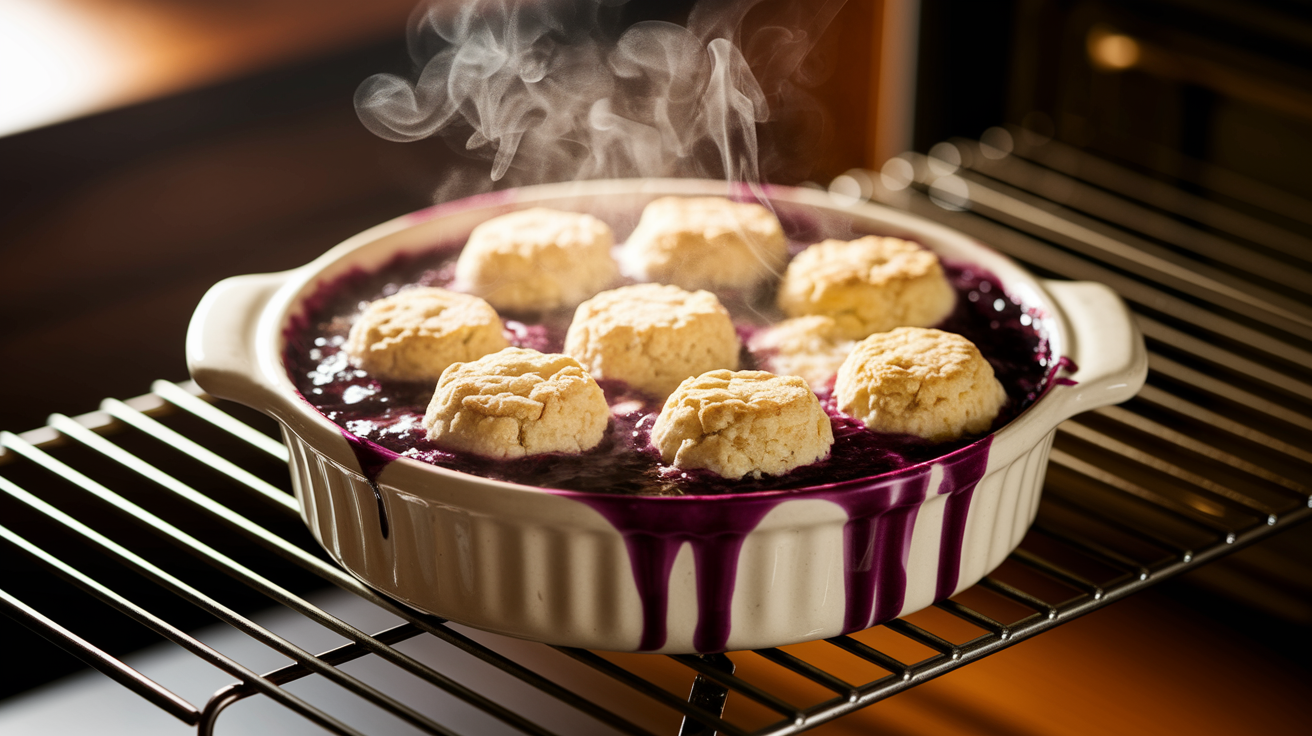
Cobbler overflow is messy, but it’s not the end of the world. You can stop it before it starts with a few simple adjustments.
Before the dish goes in, fill it no more than two thirds full. Leave at least half an inch between the filling and the rim. Slide a rimmed baking sheet onto the rack below to catch drips. If your fruit is really juicy, drop the oven temp by about 25°F to calm things down.
If the filling starts bubbling up while it bakes, grab a rimmed sheet and slide it under the dish right away. Lower the temp by 25°F and keep the door closed. If the topping’s still pale but the filling is churning hard, tent the whole thing loosely with foil. That slows the browning while the thickener does its thing.
Fast steps to prevent boil over:
- Leave at least half an inch to an inch of headspace between filling and rim
- Place a rimmed baking sheet on the rack below before baking
- Lower oven temp by 25°F if using very juicy fruit like peaches or berries
- Space biscuit topping with small gaps so steam escapes instead of forcing filling out
- Add a foil tent over the topping if bubbling gets violent but the biscuits aren’t cooked yet
- Don’t fill the dish more than two thirds full, no matter how much filling you have left
Proper Filling to Dish Ratios to Avoid Cobbler Overflow
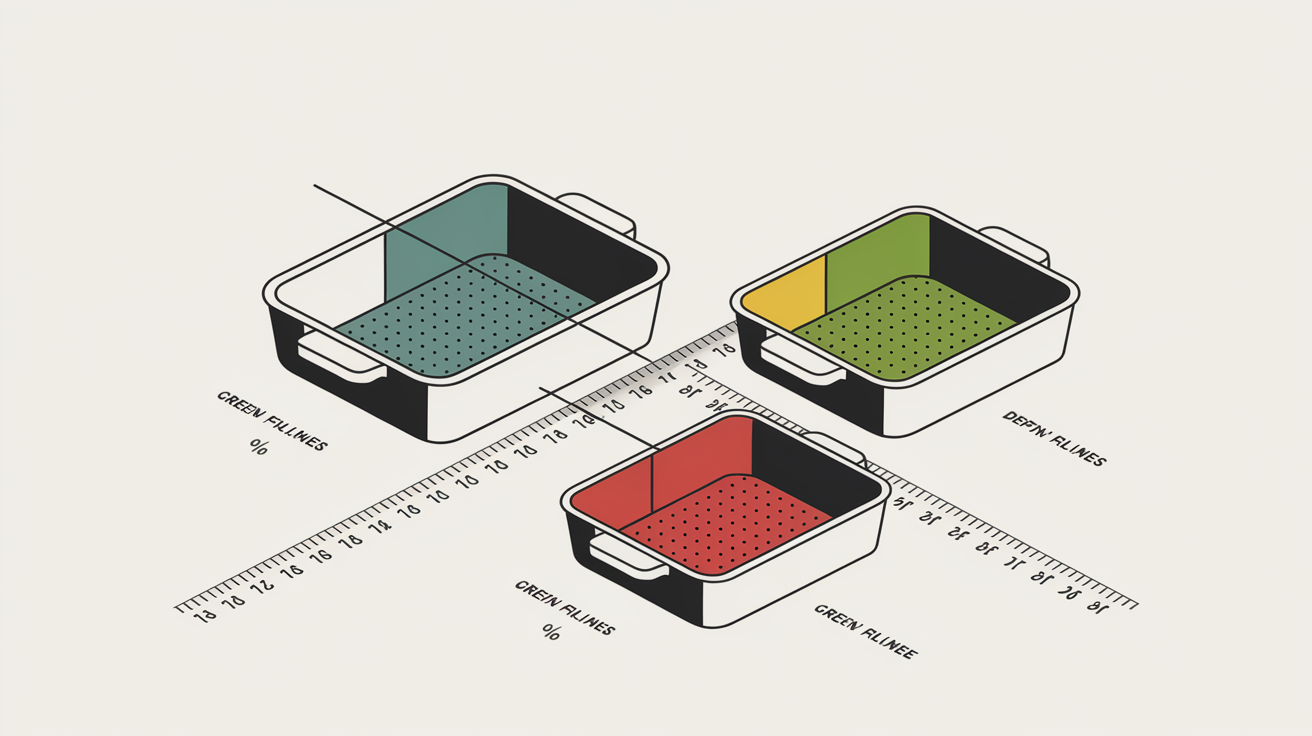
When the filling sits too high, even gentle bubbling sends fruit syrup over the sides. Fill your baking dish to about 66 to 75 percent capacity so there’s room for expansion once the fruit heats up and releases steam. If you eyeball the dish and the filling looks like it could hit the rim with just a little more liquid, move it to a larger or deeper dish before baking.
Shallow pans are overflow traps. A standard 8×8 dish that’s only 1.5 inches deep will bubble over way faster than a 2 or 2.5 inch deep dish holding the same amount of filling. If you’ve got a choice, use a dish that’s at least 2 inches deep. Larger pans reduce the height of the filling layer, and a shorter column of fruit bubbles more gently.
| Dish Type | Depth | Safe Fill % |
|---|---|---|
| 8×8 square pan | 1.5–2 in | 65–70% |
| 9×13 rectangular pan | 2–2.5 in | 70–75% |
| Deep dish 10 inch round | 2.5–3 in | 75% |
Thickening Fruit Fillings to Reduce Boil Over

Properly thickened filling stays put instead of boiling up the sides. Use 1 to 1.5 tablespoons of cornstarch per cup of fruit for most cobblers. Instant tapioca works at about 1 tablespoon per cup and gives a clear, glossy finish. All purpose flour needs 2 to 3 tablespoons per cup, but it can taste starchy and doesn’t set as firmly as cornstarch or tapioca.
To avoid lumps, whisk your cornstarch with a little lemon juice or reserved fruit juice before stirring it into the warm filling. The thickener only activates when the filling heats past about 200°F, so the cobbler has to bake long enough for the filling to bubble hot in the center, not just around the edges. If you skip the thickener or use too little, the filling stays thin and prone to violent bubbling that pushes over the rim.
Pre cooking the filling on the stovetop for 2 to 5 minutes before baking reduces free liquid and jump starts the thickening. Bring the fruit, sugar, and cornstarch mixture to a gentle boil, then let it simmer until the juices evaporate slightly and the fruit looks glossy instead of soupy. You can also macerate the fruit with sugar for 15 to 30 minutes, drain off the excess juice, and then thicken the drained juice separately before adding it back.
Five thickener methods that prevent overflow:
- Cornstarch slurry: 1 to 1.5 tbsp cornstarch whisked with 2 tbsp lemon juice per cup of fruit, stirred into warm fruit
- Instant tapioca: 1 tbsp per cup of fruit, mixed directly into fruit and sugar, allowed to sit 5 minutes before baking
- All purpose flour: 2 to 3 tbsp per cup of fruit, tossed with sugar and fruit or made into a roux
- Pre cook and reduce: cook fruit with sugar and thickener on stovetop for 3 to 5 minutes until juices evaporate and thicken
- Macerate and drain: toss fruit with sugar, let sit 20 minutes, drain juices, thicken juices separately, then recombine
Topping and Venting Techniques That Control Cobbler Bubbling

Overcrowding the topping traps steam and forces the filling to escape through any small opening it can find, which usually means the sides of the dish. When you drop biscuit topping onto the fruit, leave about a quarter to half inch of space between each dollop so steam can vent upward instead of pushing the filling sideways. Lattice crusts and crumb toppings vent naturally because they’re porous, so they’re less likely to cause overflow than a solid slab of dough.
If you’re using a biscuit topping, don’t press the edges down to seal against the rim. That creates a pressure cooker effect. Instead, let the biscuits sit loosely on top of the fruit, with small gaps showing through. For crisps, break the topping into peanut size clumps so it sits in a layer with natural air channels instead of forming a dense, impermeable blanket that suffocates the filling below.
Baking Temperature and Rack Placement to Prevent Overflow
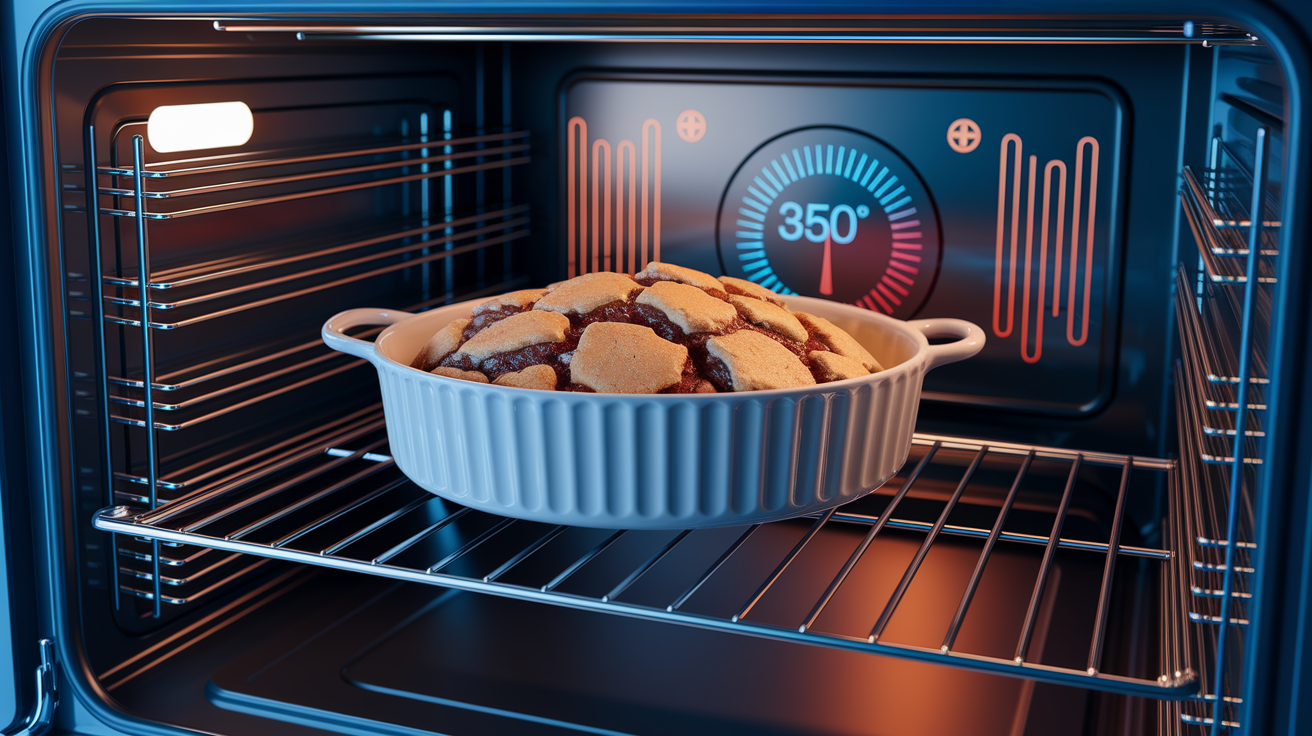
Most cobblers bake at 350 to 375°F for 35 to 50 minutes, depending on the size and topping. If your fruit is very juicy or you’ve had overflow problems before, reduce the oven temp by about 25°F. Gentler heat reduces the violence of the bubbling, and you can make up the difference by adding 10 to 20 minutes to the total bake time.
Place the cobbler on the middle or lower rack, not the top rack. Intense top heat makes the filling bubble harder before the thickener has time to gel. Check the cobbler after 25 to 30 minutes, then again every 10 minutes after that. Convection ovens circulate heat more aggressively, so consider lowering the temperature an additional 10 to 15°F if you’re using the convection setting.
Four temperature adjustment tactics:
- Start at 350°F instead of 375°F if using frozen or very ripe fruit
- Lower temperature by 25°F mid bake if bubbling becomes aggressive before topping is set
- Position the dish on the center or lower rack to reduce intense radiant heat from above
- Add 10 to 20 minutes to total bake time when lowering temperature to make sure filling thickens completely
Preparing Juicy or Frozen Fruit to Prevent Liquid Overflow

Frozen fruit is convenient, but it can flood your cobbler if you don’t handle it right. Thaw frozen fruit completely in a colander over a bowl, then press gently to remove as much liquid as possible before adding thickener. Don’t bake with rock hard frozen fruit unless the recipe is built for it, because the ice will melt into a pool of liquid that no amount of cornstarch can control in time.
High juice fruits like ripe peaches, plums, and all types of berries need the higher end of the thickener range. Use 1.5 tablespoons of cornstarch per cup of fruit instead of just 1 tablespoon. If you macerate juicy fruit with sugar before baking, pour off the released juice and simmer it separately on the stovetop with cornstarch until it thickens to syrup, then pour it back over the fruit. Apples and firm pears release much less juice, so they’re easier to work with if you’re new to cobbler baking or nervous about overflow.
Juicy fruit prep tips:
- Thaw frozen fruit in a colander for at least 2 hours and press out excess liquid before using
- Increase cornstarch to 1.5 tablespoons per cup of fruit for peaches, berries, and plums
- Drain maceration juices after 15 to 20 minutes and thicken them separately before adding back
- Choose firmer fruit varieties like Granny Smith apples or Bosc pears when possible to reduce weeping
Troubleshooting Cobbler Overflow During Baking
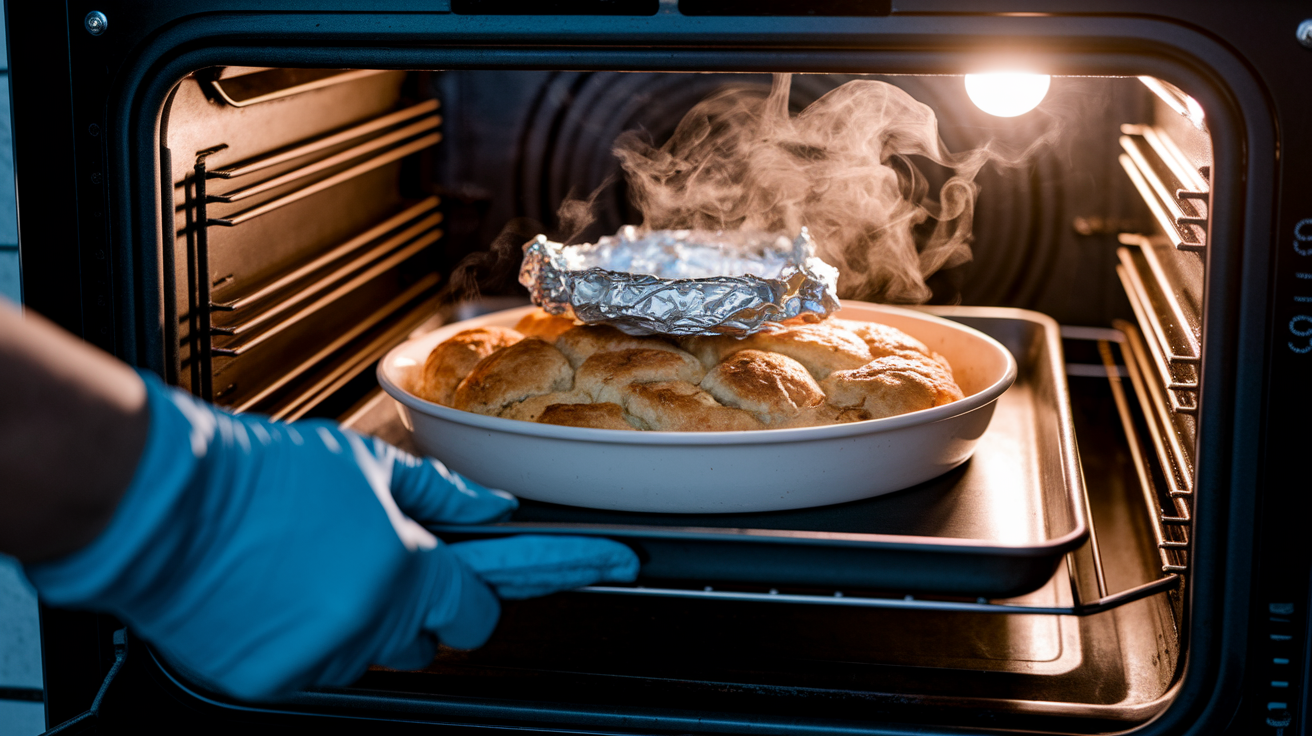
If you see the filling start to bubble up toward the rim or spill over the edge, act fast. Open the oven just long enough to slide a rimmed baking sheet onto the rack directly below the cobbler. The sheet will catch the drips and save your oven floor. Immediately lower the oven temperature by 25°F to calm the bubbling without stopping the bake.
If the topping is still pale and soft but the filling is churning violently, tent the cobbler loosely with aluminum foil. The foil slows down browning on top while the inside finishes thickening. Don’t prop the oven door open or keep opening it to check every few minutes, because temperature swings make the problem worse.
Once the cobbler is out of the oven, let it rest on a cooling rack for at least 20 minutes so the thickener can finish setting. If you’ve spilled filling on the rimmed sheet, let it cool slightly, then soak the sheet in hot, soapy water while you serve the cobbler. The baked on sugar will soften and wipe away easily after a 20 minute soak.
Four mid bake corrective actions:
- Slide a rimmed baking sheet under the dish as soon as bubbling reaches the rim
- Lower oven temperature by 25°F immediately to reduce boiling intensity
- Tent the cobbler loosely with foil if the topping is browning too fast while the filling is still thin
- Keep the oven door closed after placing the drip tray to maintain stable heat
Cleanup Steps After Cobbler Overflow

For baking dishes and rimmed sheets with baked on fruit syrup, soak them in very hot water with dish soap for 20 to 30 minutes. The heat softens the sugar, and most of it will wipe away with a nonabrasive sponge. If you’ve got stubborn spots, sprinkle baking soda over the residue, spray with white vinegar, and let the fizzing mixture sit for 15 to 30 minutes before scrubbing.
For oven floor spills, wait until the oven is completely cool, then scrape up soft residue with a plastic or wooden spatula. Sprinkle baking soda over the remaining sticky spots, mist with water to make a paste, and let it sit for 30 to 60 minutes. Wipe clean with a damp cloth or sponge. If sugar has burned onto the oven floor, you can run a self clean cycle after removing the bulk of the residue, but follow your oven manufacturer’s safety instructions and ventilate the kitchen well.
Common Mistakes That Cause Cobbler Overflow

Most overflow problems come down to five common errors. Overfilling the dish leaves no room for the filling to expand. Using too little thickener means the filling stays thin and mobile, so it bubbles aggressively. Overcrowding the topping blocks steam vents and forces liquid out the sides. Baking at too high a temperature makes the filling boil violently before the thickener can set. Forgetting to drain thawed frozen fruit adds a flood of extra juice that no standard recipe accounts for.
Another sneaky issue is reducing the sugar without adjusting the thickener. Very ripe fruit releases more juice when mixed with less sugar, so if you cut sugar by 10 to 20 percent to reduce sweetness, add an extra half tablespoon of cornstarch to compensate. Scaling recipes up or down without changing the pan size also causes trouble. Doubling a recipe but keeping the same 8×8 dish will almost always overflow.
Five common mistakes and fixes:
- Overfilling the dish: use a larger or deeper pan or reduce the recipe yield to fit the dish at two thirds capacity
- Too little thickener: increase cornstarch to 1 to 1.5 tablespoons per cup of fruit or pre cook the filling
- Overcrowded topping with no vents: space biscuits a quarter to half inch apart or use a crumb or lattice topping
- Baking temperature too high: lower oven by 25°F and extend bake time by 10 to 20 minutes
- Using undrained thawed fruit: thaw completely in a colander and press out excess liquid before mixing with thickener
Final Words
If bubbling starts at the edges, act fast, slide a rimmed sheet under the dish and lower the oven a bit. Keep an eye on the filling.
Quick prep and bake rules: leave headspace (2/3 full), use a rimmed baking sheet, thinly space or vent the topping, thicken juicy fruit, and check rack placement before you close the oven.
These are the straightforward ways to know how to prevent cobbler filling from bubbling over. Try them tonight, and you’ll get warm scoops and zero-guesswork joy.
FAQ
Q: Why is my pie filling bubbling?
A: The pie filling is bubbling because heat turns fruit juices into a boil—usually from too much liquid, weak thickener, high oven temperature, lack of vents, or an overfilled pan. Thicken and vent to stop it.
Q: What is the oldest pie?
A: The oldest pies come from ancient civilizations—Egypt, Greece and Rome—and evolved through medieval Europe, where simple pastry shells held meats or fruits long before modern sweet pies appeared.
Q: How to keep cake filling from oozing out?
A: To keep cake filling from oozing out, chill layers and filling, spread a buttercream dam around edges, use a thicker or stabilized filling (gelatin or cornstarch), and level layers before stacking.
Q: How to prevent pie from bubbling over in the oven?
A: To prevent pie from bubbling over in the oven, leave about 1/3 headspace (fill 2/3–3/4), place a rimmed baking sheet underneath, lower the oven temperature slightly, vent the crust, and thicken the filling.