
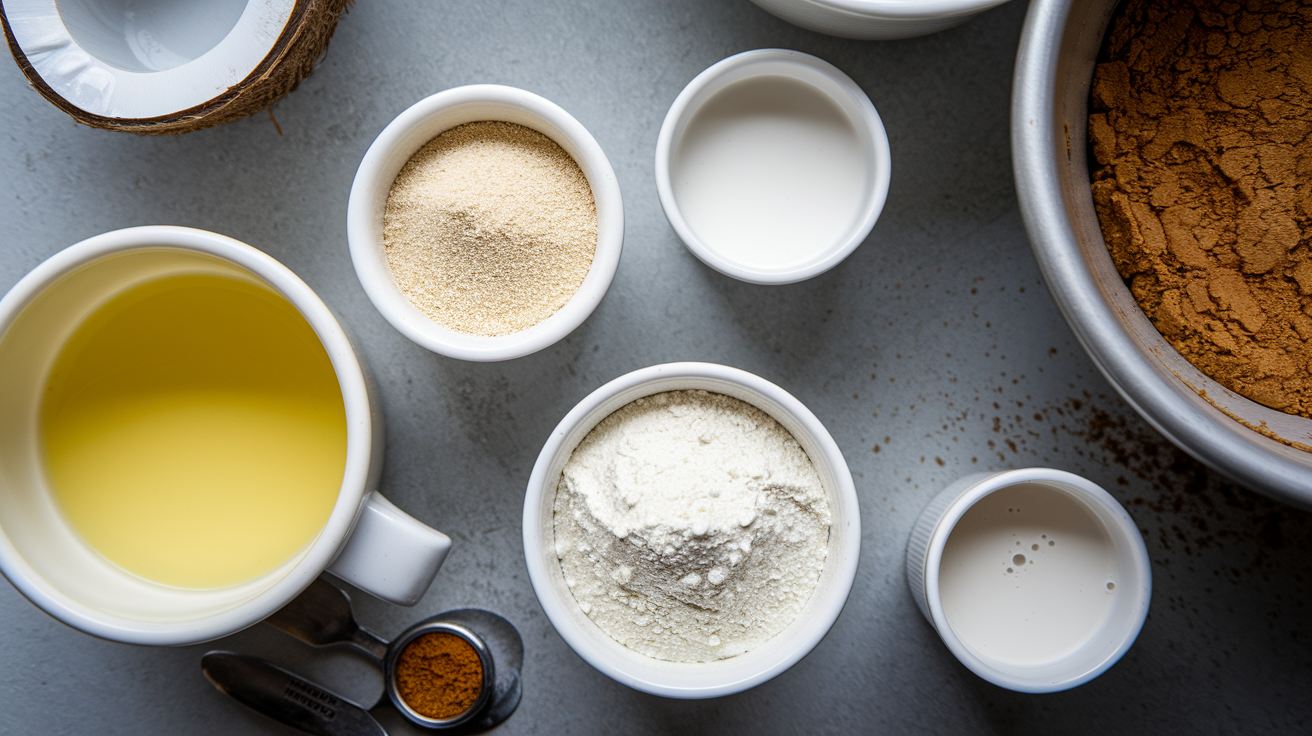
Think dairy-free means giving up that golden, crisp cobbler topping? Think again. A few smart swaps can save the day, like solid coconut oil or vegan butter in place of butter, full-fat plant milk for dairy, and a tablespoon of starch for juicy fruit. Those small changes build flaky pockets, buttery edges, and a jammy center that stays put. This post gives quick ratios and simple swaps so your topping bakes crisp, not soggy, and you still get the steamy scoop and wowed guests.
Key Dairy-Free Cobbler Topping Substitutions (Quick Ratios Only)

Swap butter for solid coconut oil at a 1:1 ratio if you want that crumbly, biscuit texture. Replace dairy milk with cashew, soy, almond, or full-fat oat milk using whatever amount the recipe asks for. For every ½ cup of all-purpose flour in your topping, toss in 1 teaspoon of baking powder so it rises properly. Add 1 tablespoon of cornstarch or tapioca starch to your fruit filling to keep juices from soaking into the topping.
Vegan butter works as a straight swap for coconut oil at the same measurement. If your recipe calls for an egg, replace it with 1 tablespoon of ground flax mixed with 2½ tablespoons of water. Or just add 1 to 2 tablespoons of extra non-dairy milk for a more streusel-style topping. Keep fat solid or barely softened rather than fully melted. That’s what creates flaky pockets that crisp up during baking.
Most Reliable Dairy-Free Cobbler Topping Substitutions:
- Fat: Solid coconut oil or vegan butter, 1:1 for butter
- Milk: Cashew, soy, almond, or full-fat oat milk, same volume as dairy milk
- Fruit thickener: 1 tablespoon cornstarch or tapioca per 4 cups of fruit
- Egg: 1 tablespoon ground flax + 2½ tablespoons water, or add 1 to 2 tablespoons extra milk and skip the egg for a crumblier texture
Dairy-Free Fat Choices for Cobbler Toppings That Maintain Crispness
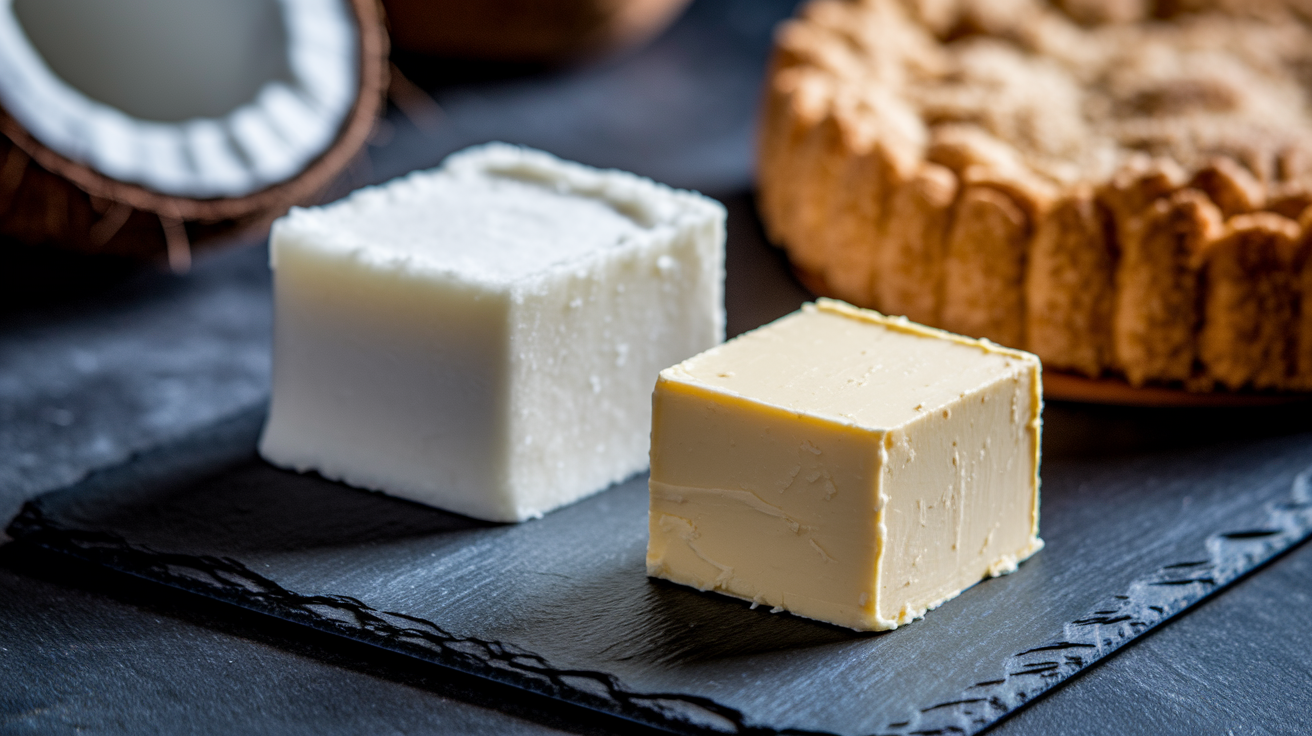
Fat creates flaky layers and crisp edges in cobbler toppings. Solid fats trap air as they melt in the oven, leaving behind tiny pockets that make the topping light and crunchy. Melted fats blend completely into the batter. You get a denser, cake-like texture with less crispness. For the best results, use fats that stay solid at room temperature and cut them into your dry ingredients the same way you’d work with cold butter.
Coconut oil works well when you use it in its solid state. Scoop it straight from the jar and cut it into small pieces before mixing it into your flour. Vegan butter behaves almost identically to dairy butter, so it’s the easiest swap if you want familiar flavor and texture. Both give you the fat structure needed for a topping that crisps up around the edges and stays tender in the center.
| Fat Type | Best For | Notes |
|---|---|---|
| Solid coconut oil | Crumbly, biscuit-style toppings | Cut into dry mix while solid; melts during baking to create flaky layers |
| Vegan butter (sticks) | Traditional flaky, buttery texture | 1:1 swap for butter; brands like Miyokos, Earth Balance, and Violife all work |
| Vegan shortening | Ultra-crisp edges and maximum flake | Higher melting point than coconut oil; produces very tender, crisp results |
Plant-Based Milk Substitutions for Cobbler Toppings That Hold Structure
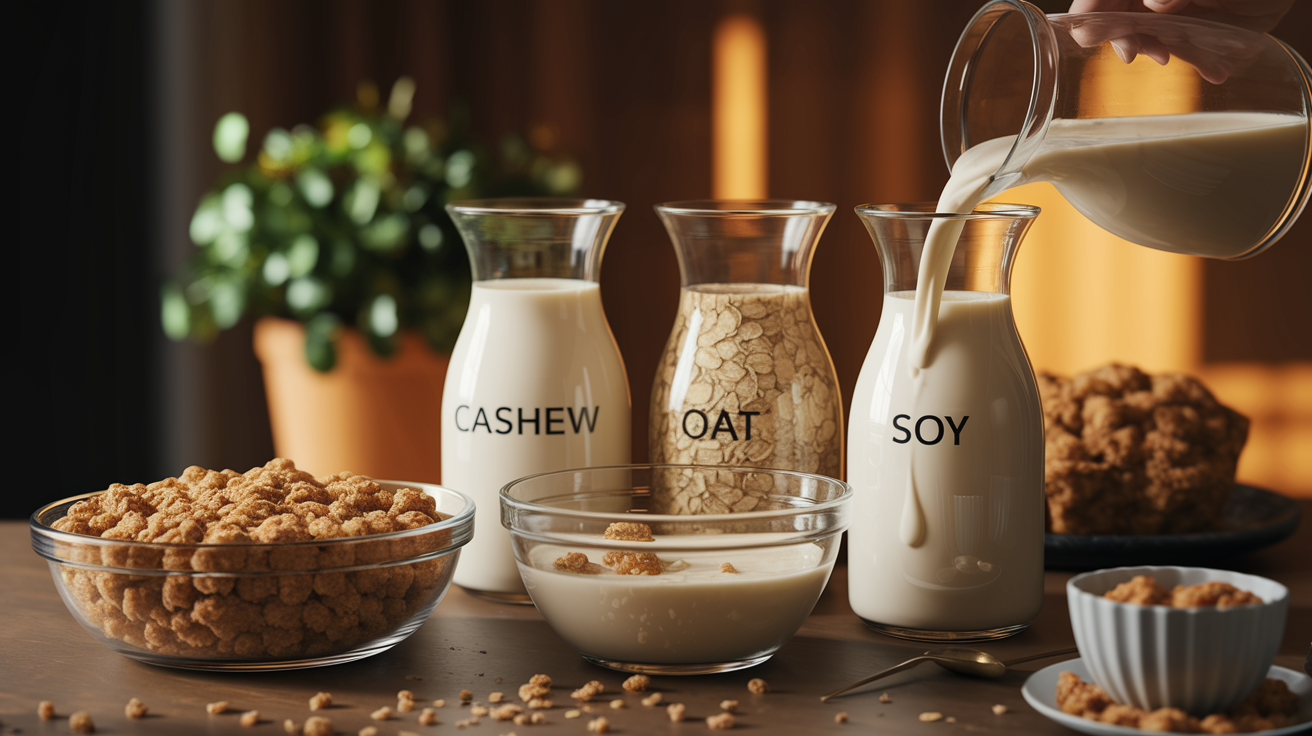
Non-dairy milks add just enough moisture to bind the dry ingredients without turning your topping into soup. The key is matching the fat level of the milk to your desired texture. Full-fat plant milks create a richer, more tender crumb. Lower-fat options produce a slightly drier, more cake-like topping. Most cobbler topping recipes call for only 2 to 4 tablespoons of milk, so the difference is subtle. But it matters when you’re aiming for a specific finish.
Cashew milk, soy milk, and full-fat oat milk are the most reliable choices. Cashew milk has a neutral flavor and a creamy body that mimics dairy milk closely. Soy milk adds a touch of richness and works especially well in biscuit-style toppings. Full-fat oat milk is thick and slightly sweet, making it ideal for brown-butter batters or recipes where you want a more tender, fluffy topping. Almond milk and coconut milk both work, but almond milk can be thin. Coconut milk adds a noticeable flavor that pairs best with tropical fruit fillings.
Top Plant-Based Milks for Cobbler Toppings:
- Cashew milk – Neutral, creamy, works in every topping style at the same volume as dairy milk
- Full-fat oat milk – Rich and thick; best for batters that need lift and tenderness
- Soy milk – Slightly higher protein content helps create structure and browning
Bindery Ingredients and Starches That Prevent Soggy Dairy-Free Cobbler Toppings

The biggest enemy of a crisp cobbler topping is steam rising from the fruit filling. Starches thicken the fruit juices so they stay in the filling instead of soaking into the topping. Without enough starch, your topping absorbs moisture during baking and turns soft or gummy. One tablespoon of starch per four cups of fruit is the standard starting point. Juicier fruits like peaches, berries, or thawed frozen fruit need closer to 1½ tablespoons.
Cornstarch is the most common choice because it creates a clear, glossy filling and has a neutral flavor. Tapioca starch works the same way and handles high heat well, so it’s a good option if you’re baking at temperatures above 400°F. Arrowroot starch thickens quickly and produces a slightly softer, more delicate filling. If your fruit is very ripe or watery, add an extra teaspoon of starch to compensate. Mixing the starch directly with the fruit and letting it sit for a few minutes before assembling the cobbler helps the starch dissolve and coat the fruit evenly.
| Starch | Use Amount | Best For Texture |
|---|---|---|
| Cornstarch | 1 tablespoon per 4 cups fruit | Clear, glossy filling; neutral flavor; prevents soggy topping |
| Tapioca starch | 1 tablespoon per 4 cups fruit | High-heat stability; slightly chewy texture in filling |
| Arrowroot starch | 1 tablespoon per 4 cups fruit | Delicate, softer filling; works at lower temperatures |
| Extra starch for juicy fruit | Add 1 to 2 teaspoons more | Prevents runny filling when using very ripe, canned, or frozen fruit |
Flour Alternatives for Dairy-Free Cobbler Toppings That Stay Crumbly and Crisp
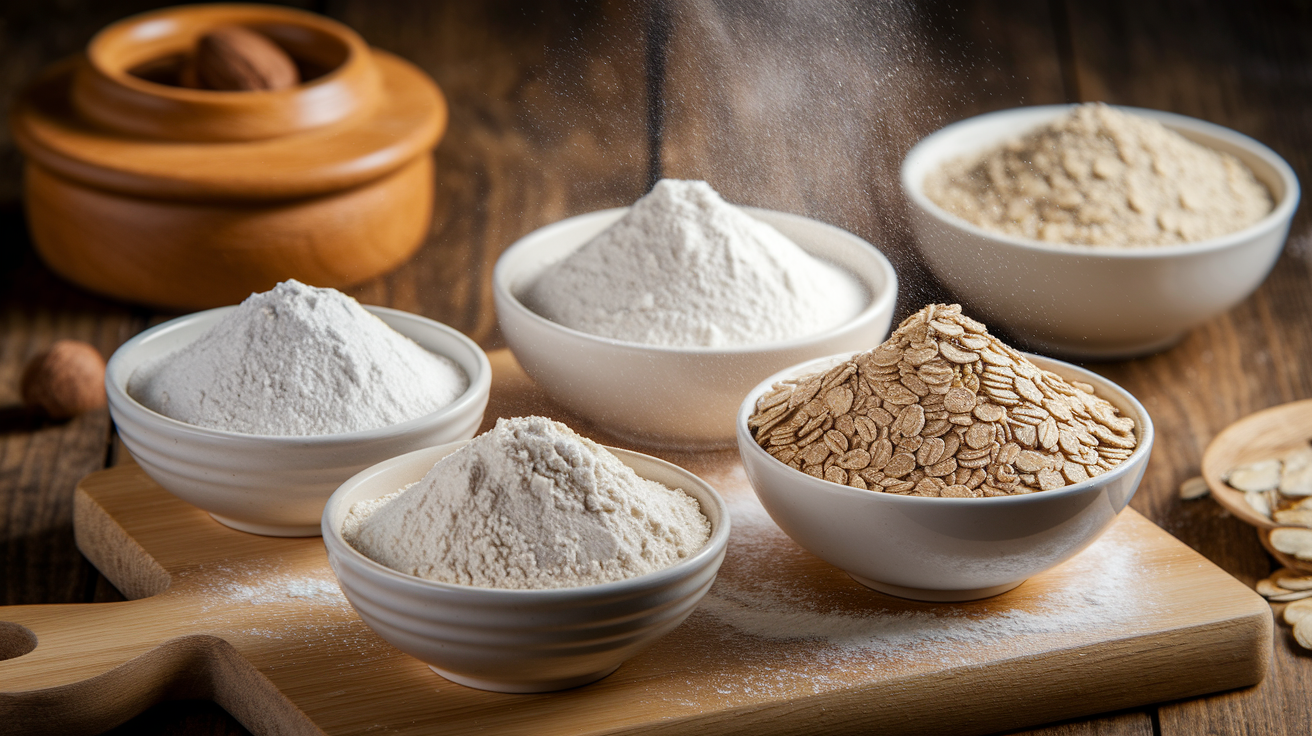
Flour is the foundation of your topping’s texture. All-purpose flour creates a tender, biscuit-like crumb, but swapping in other flours adds crunch, chew, or gluten-free structure. The trick is balancing flours that absorb moisture with those that add flavor and texture. Too much of a high-absorbency flour like coconut flour dries out your topping. Too much of a low-protein flour like rice flour makes it crumbly and fragile.
Rice flour is the top choice for adding crispness. It has a slightly gritty texture that turns golden and crunchy in the oven. Pair it with almond flour to add richness and a tender chew. A ratio of 1 cup rice flour to ½ cup almond flour creates a topping that crisps on the outside and stays soft in the center. Old-fashioned rolled oats are another excellent addition. They hold their shape during baking and add pockets of chew and crunch. Use ¼ to ½ cup of oats in any topping recipe to boost structure without changing the overall texture.
Gluten-free flour blends work well as long as they include xanthan gum or another binder. Look for blends labeled for baking rather than all-purpose blends, since baking blends are formulated to mimic the protein structure of wheat flour. Coconut flour is very absorbent. If you’re replacing almond flour with coconut flour, use about half the amount and add an extra tablespoon or two of liquid to keep the topping from becoming too dry.
Top Flour Blends for Dairy-Free Cobbler Toppings:
- 1 cup rice flour + ½ cup almond flour – Crunchy exterior, tender chew, naturally gluten-free
- 1 cup all-purpose flour + ¼ cup rolled oats – Classic texture with added structure and crunch
- Gluten-free baking blend (1:1 for all-purpose) – Use brands with xanthan gum for best results
- ½ cup rice flour + ½ cup oat flour + ¼ cup almond flour – Balanced gluten-free option with maximum crispness
Egg-Free and Alternative Binders for Cobbler Toppings That Retain Texture

Eggs add structure, moisture, and lift to cobbler toppings. When you remove the egg, the topping becomes more crumbly and streusel-like. That works well for some styles but not for biscuit-style toppings that need to puff up. If you want a fluffy, risen topping without eggs, you need a binder that mimics the egg’s ability to hold air and moisture.
Flax eggs and chia gel are the most reliable egg replacers for cobbler toppings. Mix 1 tablespoon of ground flax with 2½ tablespoons of water and let it sit for five minutes until it thickens into a gel. This mixture adds structure and a slight nuttiness without changing the texture much. Chia seeds work the same way but create a slightly thicker gel, which can make the topping a bit denser. Both options reduce lift compared to real eggs, so your topping rises a little less and has a slightly tighter crumb. Applesauce and mashed banana add moisture but also add sweetness. They can make the topping soggy or gummy, especially if you use more than ¼ cup. If you’re skipping the egg entirely, add 1 to 2 tablespoons of extra non-dairy milk to compensate for the lost moisture. Expect a crumblier, more streusel-like texture.
| Binder | Amount | Texture Outcome |
|---|---|---|
| Flax egg (1 tbsp ground flax + 2½ tbsp water) | Replaces 1 egg | Slightly reduced lift; nutty flavor; holds structure well |
| Chia gel (1 tbsp chia seeds + 2½ tbsp water) | Replaces 1 egg | Denser crumb; slight chewiness; good structure |
| Applesauce (¼ cup) | Replaces 1 egg | Adds sweetness; can make topping soggy; reduces crispness |
| Mashed banana (¼ cup) | Replaces 1 egg | Adds banana flavor; dense and gummy texture; not recommended for crisp toppings |
Techniques to Keep Dairy-Free Cobbler Toppings Crisp During Baking
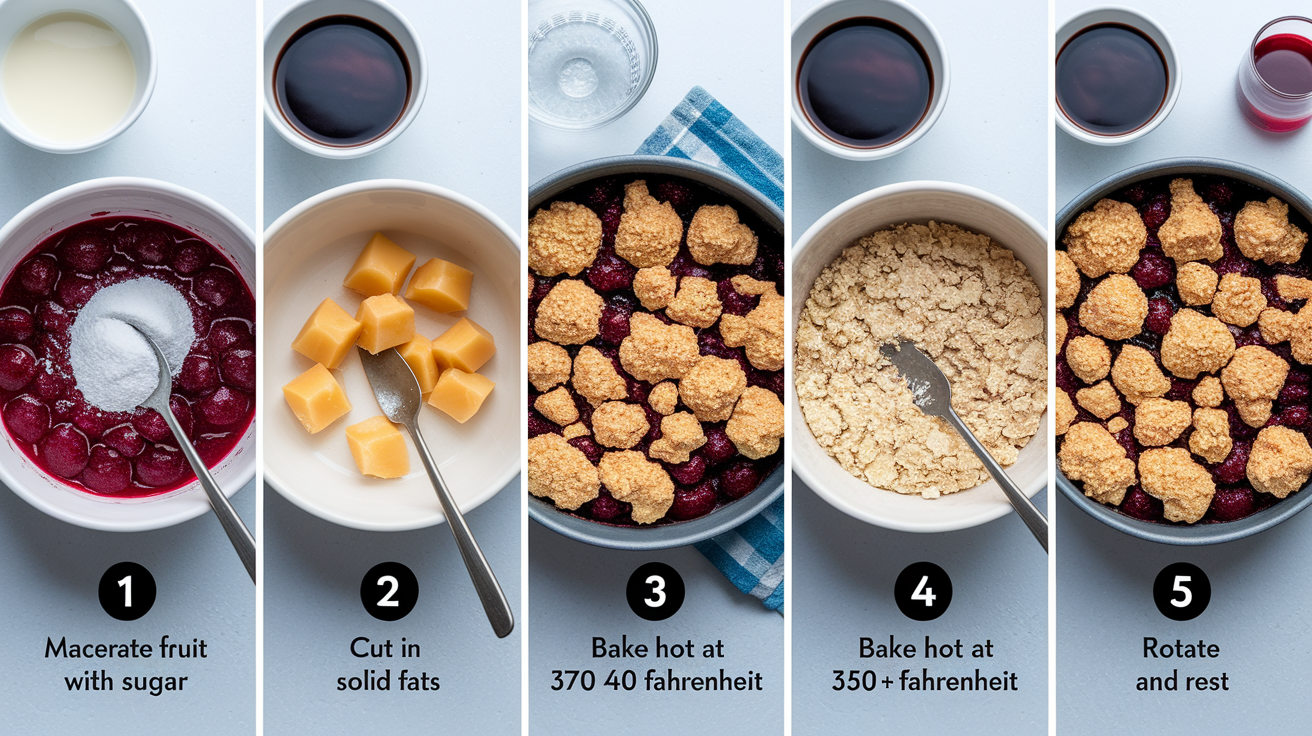
The way you assemble and bake your cobbler has as much impact on texture as the ingredients themselves. Controlling moisture is the single most important factor. Fruit releases steam as it bakes, and that steam softens your topping if you don’t manage it. Macerating your fruit before assembling the cobbler pulls out excess juice, which you can drain off or thicken with starch. Let sliced fruit sit with sugar and any spices for at least 30 minutes. Then toss it with cornstarch or tapioca before adding it to the pan.
Dolloping your topping instead of spreading it creates islands of crisp, golden crust. When you spread the topping into a smooth layer, steam has nowhere to escape and condenses on the underside of the topping, making it soggy. Dropping spoonfuls of batter or dough onto the fruit leaves gaps where steam can vent. Sprinkling turbinado sugar or a handful of rolled oats on top before baking adds extra crunch. Baking at a high temperature (around 375°F to 450°F) sets the topping quickly, forming a crust before too much steam can penetrate. Rotating the pan halfway through baking ensures even browning. Tenting with foil if the topping browns too fast prevents burning while the filling finishes cooking.
Five Steps to Maximize Cobbler Topping Crispness:
- Macerate fruit with sugar for 30 minutes, then drain or thicken juices with 1 tablespoon of cornstarch or tapioca per 4 cups of fruit.
- Use solid fats (coconut oil or vegan butter) cut into the dry mix, not melted, to create flaky pockets that crisp up.
- Dollop topping in small scoops rather than spreading it smooth, leaving gaps for steam to escape.
- Bake at 375°F to 450°F and rotate the pan 180° halfway through for even browning.
- Let the cobbler rest for 10 to 20 minutes after baking so the filling thickens and stops steaming before serving.
Recipe Variations and Dairy-Free Topping Styles That Keep Texture Intact
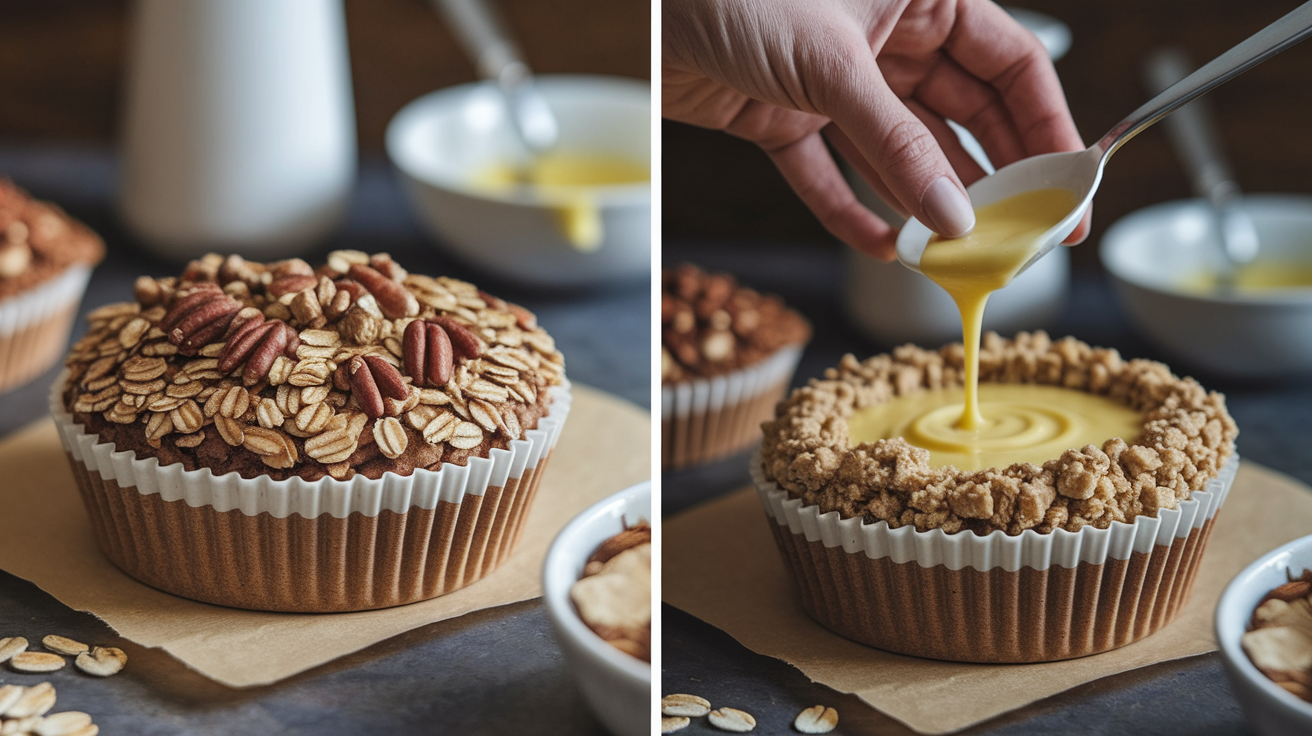
Cobbler toppings come in two main styles: biscuit and streusel. Biscuit-style toppings use baking powder and a small amount of liquid to create a fluffy, cake-like texture that rises and forms soft peaks. Streusel-style toppings skip the baking powder and liquid. They rely on butter or oil mixed with flour, sugar, and oats to form crumbly clusters that crisp up during baking. Both styles work well in dairy-free versions, but the techniques are different.
For a biscuit-style topping, you need a leavener, a binder (egg or flax egg), and a liquid. The topping should be thick enough to dollop but wet enough to spread slightly as it bakes. Adding oats or chopped nuts to the batter gives you extra texture and helps the topping hold its shape. For a streusel-style topping, mix your dry ingredients (flour, oats, sugar, and spices) and then cut in solid coconut oil or vegan butter until the mixture looks like coarse crumbs. Press it gently into clumps before scattering it over the fruit. This style is naturally more forgiving when you remove the egg, since it’s supposed to be crumbly. Adding coconut flakes, chopped pecans, or sliced almonds to either style increases crunch and helps absorb surface moisture, keeping the topping from getting soggy.
Fruit variations affect moisture levels, so adjust your starch accordingly. Berries are juicier than apples. Stone fruits release more liquid when baked than pears. If you’re mixing fruits, use the juiciest fruit as your guide for how much starch to add. Frozen fruit works, but thaw it first and drain off as much liquid as possible before tossing it with starch and sugar.
Top Dairy-Free Cobbler Topping Styles That Hold Up:
- Biscuit-style with oats and nuts – Fluffy, risen, with pockets of crunch from add-ins
- Streusel-style with solid coconut oil – Crumbly, crisp, and very forgiving without eggs
- Brown-butter vegan topping – Nutty, caramelized flavor from browned vegan butter, best for batters with full-fat oat milk
Storage, Reheating, and Serving Methods That Preserve Dairy-Free Cobbler Topping Texture
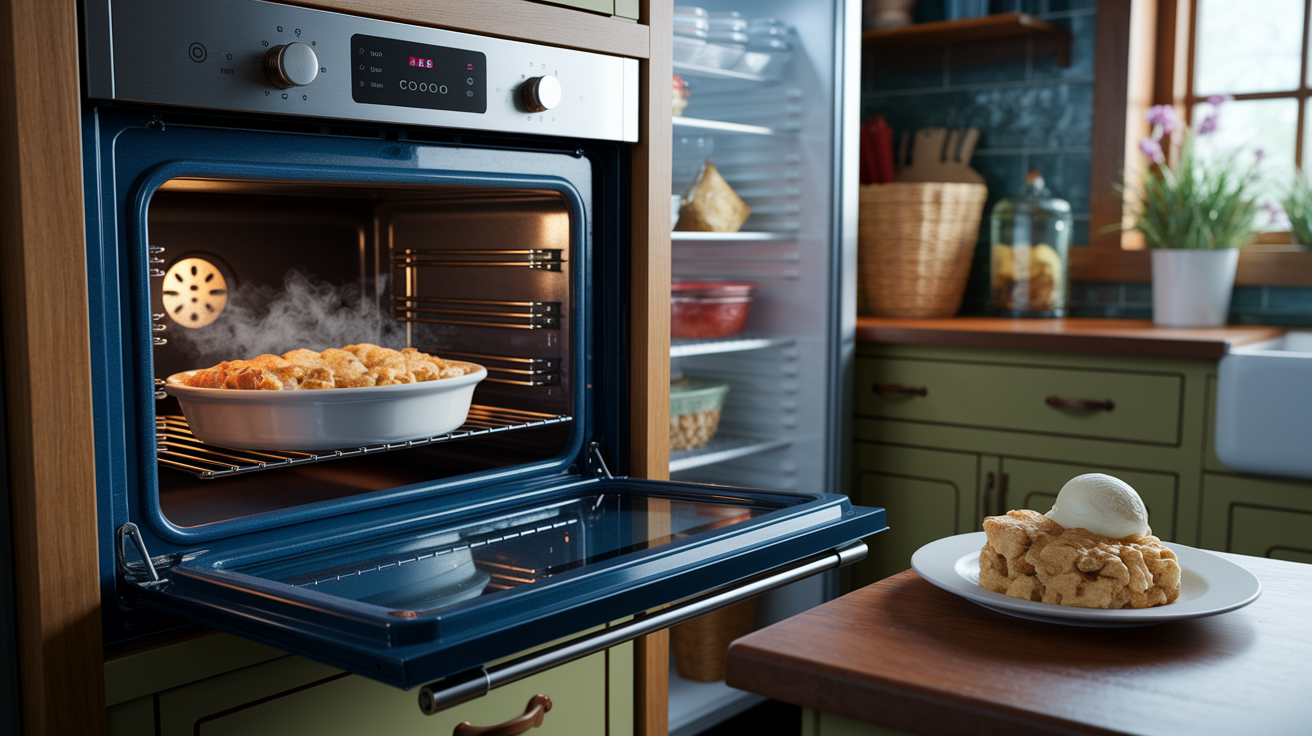
Cobbler topping loses its crispness as it sits. At room temperature, the topping stays crisp for about 24 hours. After that it starts to absorb moisture from the filling and the air. Refrigerating cobbler extends its life to 2 to 3 days, but the cold environment softens the topping even faster. Freezing is the best option for long-term storage, keeping the cobbler good for up to 2 months. Wrap it tightly in plastic wrap and then in foil to prevent freezer burn.
Reheating in the oven is the only way to restore crispness. Preheat your oven to 350°F, cover the cobbler loosely with foil, and bake for 15 to 20 minutes, or until the filling is bubbling again. Remove the foil for the last 5 minutes to crisp up the topping. A toaster oven works even faster for single servings. Place a scoop of cobbler on a small baking sheet and heat at 350°F for 8 to 10 minutes. The smaller space and direct heat bring back the crunch without drying out the filling. Avoid the microwave unless you’re okay with a soft, steamed topping.
Best Practices for Reheating Dairy-Free Cobbler:
- Oven method: 350°F for 15 to 20 minutes covered, then 5 minutes uncovered to restore crispness
- Toaster oven: 350°F for 8 to 10 minutes on a small pan for fast, crisp results
- Serve warm: The topping is crispest right after baking or reheating, so serve immediately with dairy-free ice cream or whipped topping
Final Words
Grab your pan and follow the quick ratios to swap butter, milk, and starches without guessing. We covered fat choices, plant milks, flour blends, and small starch additions so your topping stays crumbly and crisp.
We also showed egg-free binders, baking techniques to keep steam away, topping styles that hold up, and storage and reheating tips so leftovers bounce back to crisp.
Use these dairy free cobbler topping substitutions that hold texture and serve warm with a scoop. You’ll get a crowd-pleaser every time.
FAQ
Q: What to use instead of butter in cobbler?
A: The best substitutes for butter in cobbler are solid coconut oil or vegan butter (use 1:1). Coconut oil gives a biscuit-like flake; vegan butter swaps directly; shortening adds extra crispness.
Q: What can I substitute for milk in cobbler?
A: You can substitute plant-based milks in cobbler cup-for-cup: soy, almond, or cashew milk at equal volume; use full-fat coconut milk for a richer, more tender topping.
Q: What is the crumbly stuff on top of peach cobbler?
A: The crumbly stuff on top of peach cobbler is a streusel or biscuit-style topping made from flour, sugar, fat (butter or substitute), and often oats or spices for extra crunch and flavor.
Q: Why is my cobbler mushy?
A: Your cobbler is mushy because excess fruit juice, too little thickener, or an underbaked topping lets moisture soak in; drain fruit or add 1–2 tablespoons cornstarch/tapioca and bake until the filling bubbles.