

Think a soggy bottom means the whole cobbler is ruined? Not true.
Most of the time it’s just trapped juice or not enough heat reaching the base.
In this post you’ll get fast, practical fixes you can try right now – put it back in the oven, drain juice, or thicken the filling – plus the simple tweaks that stop it from coming back.
No fuss, just clear steps so your next scoop is steamy, thick, and stays on the plate.
Quick Fixes for a Soggy Cobbler Bottom (Start Here)
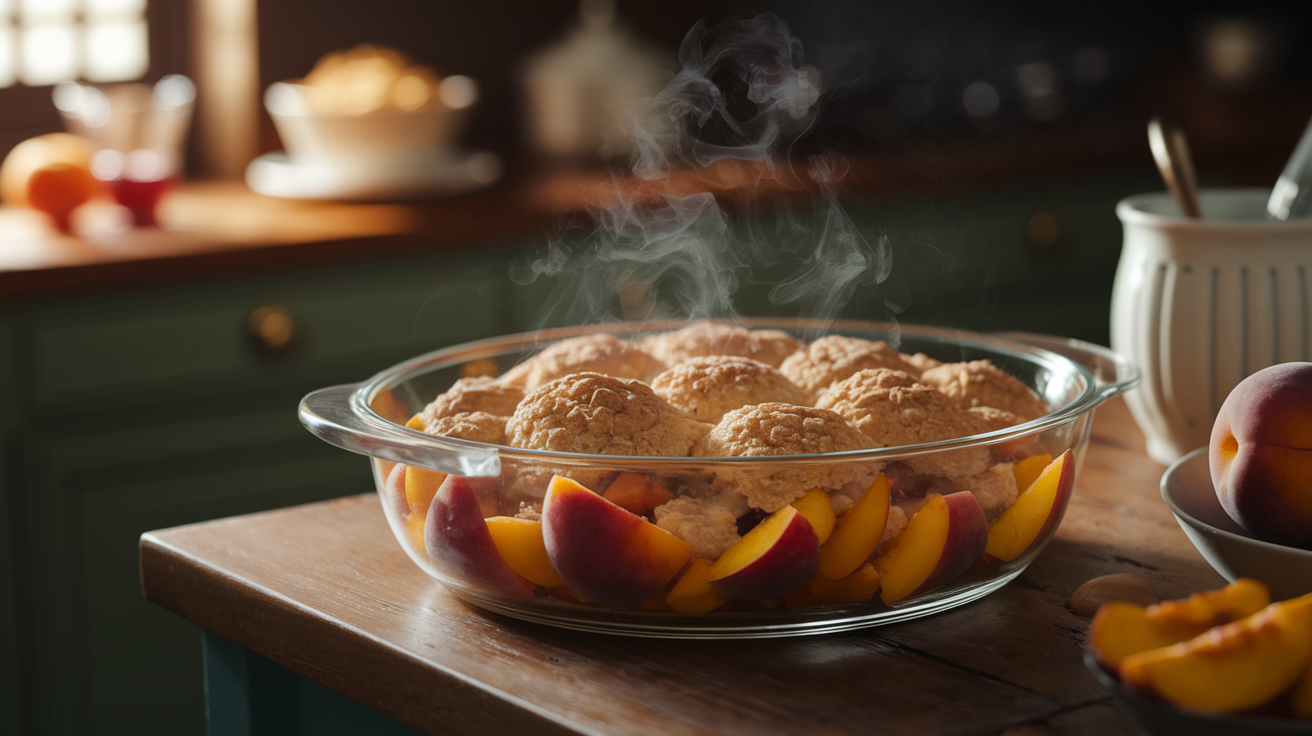
A soggy cobbler bottom happens when too much moisture gets trapped under the topping, or the bottom didn’t get enough heat to cook all the way through. Good news: you can usually save a wet cobbler while it’s still warm or even after you’ve served a few scoops.
Here’s how to fix it right now:
-
Put it back in the oven. Set it on the lowest rack and bake at 375–400°F for 10–20 minutes. If the topping’s already golden, tent some foil loosely over the pan so only the bottom gets hit with more heat.
-
Drain off visible juice. Tilt the pan carefully and spoon out extra liquid from the edges into a bowl. You can simmer that juice in a small pan with 1 teaspoon cornstarch mixed into 1 tablespoon cold water until it thickens, then pour it back for a saucy filling instead of soup.
-
Thicken fast with a slurry. If the filling’s really loose, scoop most of it into a skillet and leave the topping in the dish. Heat the fruit over medium until it bubbles, whisk in a cornstarch slurry (1 teaspoon cornstarch per cup of liquid), simmer for 1–2 minutes until it looks glossy. Spoon the thickened fruit back under the topping.
-
Hit it with the broiler. If only the very bottom is damp but everything else cooked through, flip on the broiler for 1–2 minutes. Watch it closely to crisp any wet spots without burning the top.
-
Let it rest longer. Sometimes a cobbler that looks wet will firm up if you let it sit uncovered for 20–30 minutes. The filling cools and gels.
-
Move it to a wire rack. Lift the baking dish onto a cooling rack right away so air can circulate underneath and steam escapes instead of condensing back onto the bottom.
After you try one or two of these, check the bottom by lifting a corner of topping with a spoon. It should look set and lightly browned, not pale and doughy. If the problem keeps happening across multiple bakes, the real issue is probably your prep, pan choice, or oven setup. Keep reading for deeper fixes.
Main Reasons Cobbler Bottoms Become Soggy
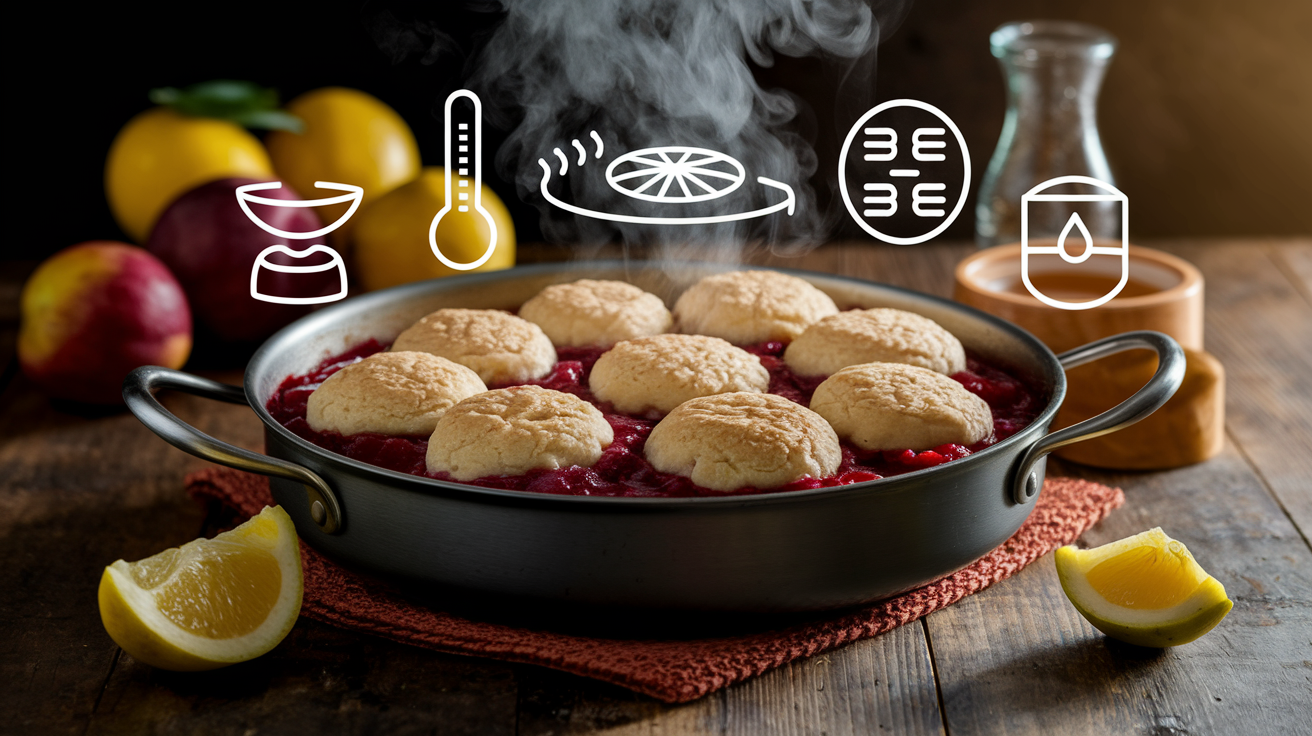
Cobbler bottoms turn wet when there’s more liquid than the thickener can handle, or the bottom layer doesn’t get enough direct heat to cook through before the topping finishes. Juicy fruits like peaches, berries, and plums release a ton of water as they bake. If that juice pools instead of bubbling and thickening, the bottom stays pale, doughy, and wet.
Oven temperature and rack position matter way more than most people think. Baking on the middle or upper rack means the top browns fast while the bottom stays cool. A low oven temp (below 375°F) can also stop the filling from reaching the boil it needs to activate thickeners like cornstarch or tapioca. If your oven runs cool by even 15–20 degrees, your cobbler takes longer and traps steam underneath the topping.
Pan type and depth play a huge role too. Deep ceramic or glass dishes heat slowly and insulate the bottom, so juices take forever to reduce. Frozen fruit that wasn’t thawed and drained can add twice as much moisture to the filling. And a topping that seals the entire surface traps steam instead of letting it escape, which steams the bottom instead of baking it.
Here are the most common culprits:
- High-moisture fruit that wasn’t drained, macerated, or thickened right
- Oven temp too low or rack placed too high, blocking bottom heat
- Heavy ceramic or glass pan that insulates rather than conducts heat to the base
- Frozen fruit added without thawing or adjusting thickener amounts
How to Prevent a Soggy Cobbler in Future Bakes
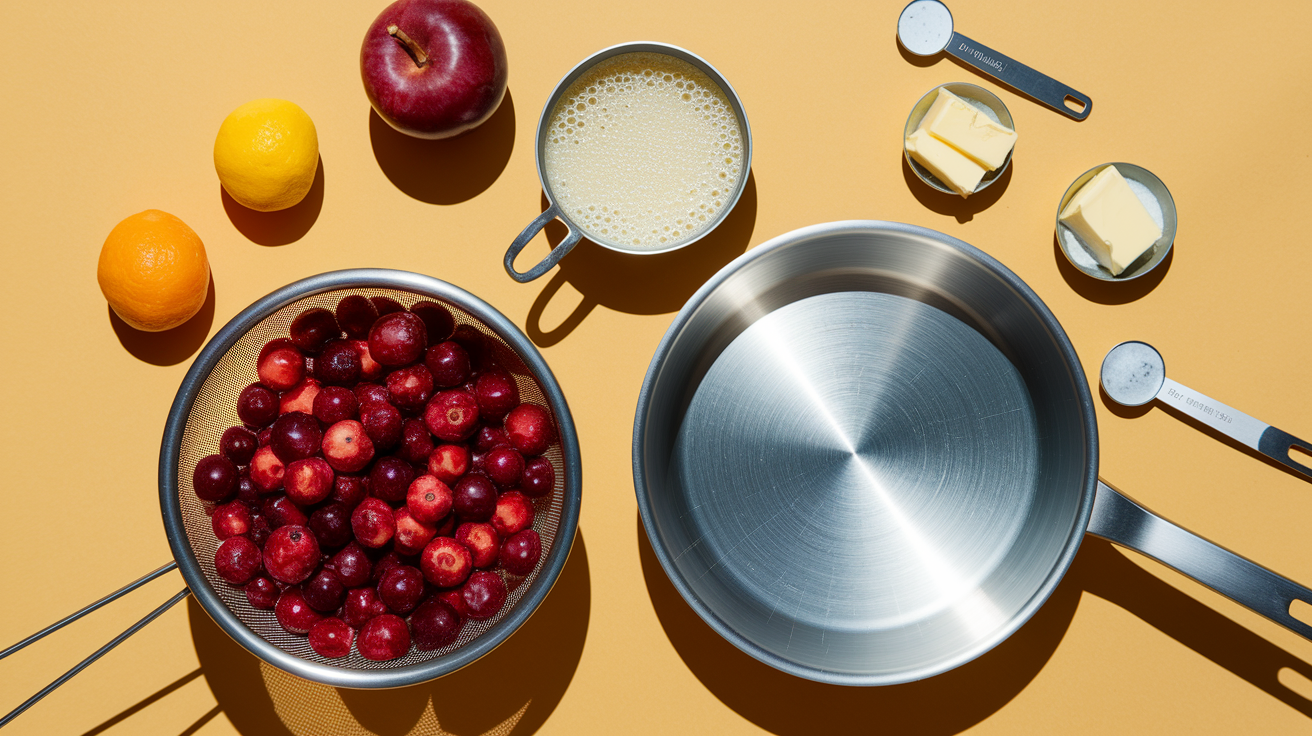
The best way to avoid a wet bottom is controlling moisture before the cobbler goes into the oven. Start by draining your fruit if it’s canned, thawed from frozen, or really ripe and juicy. Toss sliced fruit with 1–2 tablespoons of sugar and let it sit for 10–15 minutes. The sugar pulls out juice. Pour off that liquid or save it for something else. This step alone stops a soupy filling.
Next, add a thickener to the fruit before you assemble. Use 1–2 tablespoons of cornstarch per 4 cups of fruit. Cornstarch gives a clear, glossy filling without a starchy taste. If you’re using frozen fruit, bump the cornstarch by 1 tablespoon per extra 2 cups because frozen fruit releases more water. Tapioca starch works well too. Use 3 tablespoons per 4 cups for a stable, shiny filling. All-purpose flour is an option but needs about 4–5 tablespoons per 4 cups and can taste pasty if you use too much. For an even safer bet, cook some of the fruit in a skillet with butter and sugar until the juices release and evaporate. Then stir in the rest of the fruit and your thickener before transferring to the baking dish. This concentrates flavor and cuts the chance of watery filling.
Pan choice and prep matter. Swap ceramic or glass for a metal 9×13 pan or a cast-iron skillet. Metal conducts heat faster and helps the bottom set quickly. If you only have a glass dish, preheat it empty in the oven for 5–10 minutes, then carefully add the filling and topping. That head start helps the bottom cook through. Don’t pile the filling too deep. Aim for about 1 to 1½ inches of fruit so heat can get through evenly.
Give steam a way out. Don’t cover the entire surface with topping. Scoop biscuit dough or sprinkle crumble topping in clumps with gaps between so steam can escape during baking. A sealed top traps moisture and turns your topping gummy instead of crisp.
Temperature, Time, and Rack Placement Guidelines

Most cobblers bake best between 375°F and 400°F. Start at 375°F if you want steady, even cooking with less risk of burning the topping. If you need a crisper bottom or you’re working with really juicy fruit, start at 400°F for the first 10–15 minutes to jump-start evaporation, then drop to 375°F for the rest of the bake. Lower temps (around 350°F) work for delicate toppings but can leave the bottom underdone if you’re not careful.
Rack placement is just as important as temperature. Place your cobbler on the lower third of the oven, one slot above the bottom. This position sends more heat to the base and helps the filling bubble and thicken faster. The middle rack is fine for even browning if your oven runs hot, but it can leave the bottom pale. Never bake a cobbler on the top rack unless you want a burnt topping and a raw bottom.
Key numbers to remember:
- Temperature range: 375–400°F for most cobblers
- Initial high heat (optional): 400°F for 10–15 minutes, then reduce to 375°F
- Total bake time: 35–50 minutes for a 9×13 pan; 40–60 minutes for deep skillets or casseroles
- Glass dish adjustment: Add 5–10 minutes to the total time and consider starting 25°F hotter
- Rack position: Lower third (one slot above bottom) for best bottom heat
Use a timer but trust your eyes and a thermometer more than the clock. Every oven’s different, and fruit moisture varies.
How to Tell When the Bottom of Your Cobbler Is Fully Cooked

A fully cooked cobbler bottom looks set and lightly golden, not pale and doughy. The most reliable sign is bubbling. Watch the edges of the pan. When you see thick juices actively bubbling around the sides and staying that way for at least 1–2 minutes, the filling has reached a high enough temp to activate the thickener and cook the bottom layer. If you see only a few lazy bubbles or clear liquid pooling, give it more time.
Use an instant-read thermometer for total confidence. Insert the probe into the thickest part of the topping, aiming down toward the fruit layer. The internal temp should read 200–205°F. At that range, the fruit filling is hot enough to have released and thickened its juices, and the bottom crust or biscuit layer has cooked through. Anything below 195°F usually means the bottom’s still undercooked.
You can also test texture by gently lifting a corner of the topping with a spoon. The bottom should feel firm and look dry or just slightly glossy with thickened sauce, not wet and sticky. If you see a pool of thin liquid when you lift the topping, put it back in the oven.
Four main doneness checks to use every time:
- Filling bubbles hard at the edges for 1–2 minutes without stopping.
- Topping color is deep golden brown, not just pale tan. Look for a few darker amber spots on biscuits or a toasty brown on crumble.
- Internal temp reads 200–205°F when you probe the center with a thermometer.
- Bottom layer is set and dry when you lift a corner. No pool of watery juice underneath.
Wait 20–30 minutes after pulling the cobbler from the oven before scooping. That rest time lets the filling gel and the bottom firm up. Cutting too soon releases all the juices and can make even a properly baked cobbler look soggy.
Final Words
If your cobbler is soft and wet underneath, start with the quick fixes: back in the oven, drain excess juice, sprinkle cornstarch, or move the pan to a lower rack.
Most often it’s juicy fruit, low oven heat, or a slow-heating dish. Prevent it by pre-baking fruit, using 1 to 2 tablespoons cornstarch per pound, and choosing a shallow metal pan. Look for bubbling edges and a golden bottom.
If you’re asking why is my cobbler soggy on the bottom, these steps will help you fix it and serve a warm, toasty cobbler next time.
FAQ
Q: How do you keep cobblers from being soggy and what to do if your cobbler is too wet?
A: Keeping cobblers from being soggy and fixing an overly wet cobbler means cutting moisture and boosting bottom heat. Quick fixes: drain extra juices, stir in 1-2 tbsp cornstarch per pound, move to lower rack and bake until bubbling, then let rest.
Q: How to get a crispy bottom on a pie?
A: Getting a crispy bottom on a pie means boosting direct heat and cutting sogginess. Use a preheated baking sheet or metal pan, blind-bake crust when needed, bake on the lower rack, and avoid overly wet fillings.
Q: What are common cobbler mistakes?
A: Common cobbler mistakes are using too-wet fruit, skipping a thickener, underbaking or placing the pan too high, and choosing a deep glass dish that slows bottom browning.