
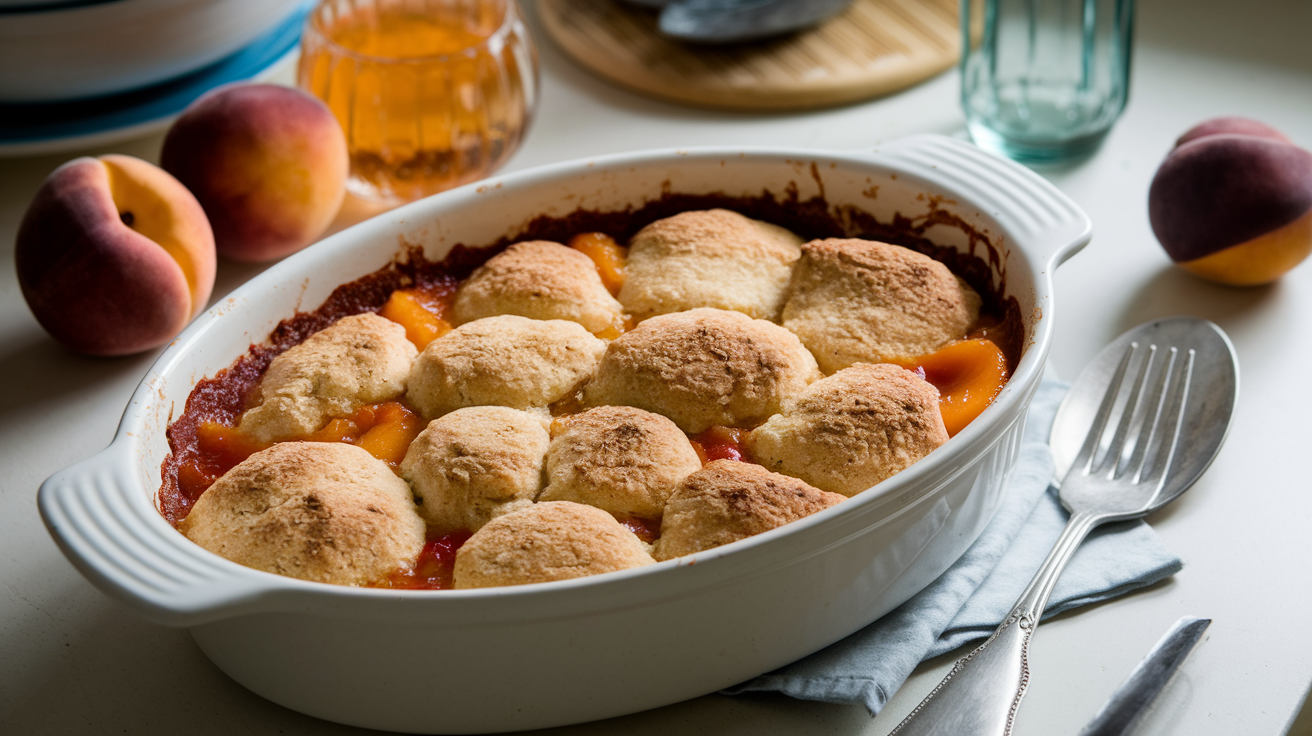
Think a cobbler needs milk and butter to be irresistible?
Think again.
With a few simple swaps—almond, oat, or coconut milk and melted coconut oil or vegan butter—you can use any boxed cobbler mix and still get a golden top and bubbling, jammy fruit.
This step-by-step guide gives exact dairy-free swaps, topping choices (dump or biscuit), oven cues, and quick fixes so your cobbler bakes right the first time.
No guesswork, no weird ingredients—just warm dessert that’s easy to make and impossible not to love.
Step-by-Step Dairy Free Cobbler Mix Preparation Guide

You’ll need a medium mixing bowl, a small bowl for wet ingredients, a whisk or fork, and a greased baking dish. Most boxed cobbler mixes work fine in an 8×8 or 9×9 square pan, an 8-inch round cake pan, or something similar. If your box doesn’t list a pan size, go with 8×8 for single batches. Get your oven preheating before you start mixing so the temp’s stable when the cobbler goes in.
Grab your dairy-free swaps before you begin. Most mixes want milk and butter, so pick unsweetened almond milk, cashew milk, soy milk, oat milk, or coconut milk. You’ll also need melted coconut oil or vegan butter. Biscuit-style toppings are different, though. Keep your coconut oil solid and cold instead of melted. Read the box to see if you need liquid fat or solid fat, because the topping style changes everything.
The flow’s pretty straightforward. Mix the dry stuff with your dairy-free milk and fat, pour or drop the topping over fruit, then bake until the top goes golden and the filling bubbles at the edges. Watch for doneness cues more than exact time because ovens aren’t all the same.
- Preheat to whatever temp the box says. Most dairy-free cobbler mixes bake at 350°F or 450°F depending on what kind of topping you’re making. Dump-style batters usually go at 350°F, biscuit-style toppings often hit 450°F for quick browning.
- Grease your dish with a thin layer of coconut oil or vegan butter. Or line it with parchment if the box tells you to.
- In a medium bowl, combine the dry mix with however much dairy-free milk the package lists. Whisk until smooth with no dry pockets.
- If the mix wants melted fat, add melted coconut oil or vegan butter to the wet mixture and whisk again. For biscuit-style, cut cold coconut oil into the dry mix with a fork or pastry blender until you see pea-sized pieces. Then add the dairy-free milk and stir gently until just combined.
- Dump-style mixes get the fat melted right in the baking dish while the oven preheats. Pour the batter over the melted fat without stirring. Biscuit-style mixes go fruit first in the dish, then drop spoonfuls of topping evenly over the fruit. Leave small gaps for steam.
- Bake for the time range on the box. Dump-style usually takes 35 to 45 minutes at 350°F. Biscuit-style bakes faster, around 20 to 25 minutes at 450°F.
- Check doneness by looking for a golden brown top with a few deeper brown spots. The filling should bubble in the center, not just around the edges. Topping should look dry, not wet or glossy.
- Let the cobbler rest for 10 minutes after you pull it from the oven so the filling thickens and the topping sets. Serve warm with dairy-free ice cream or a sprinkle of cinnamon.
Dairy Free Ingredients and Substitutions for Cobbler Mixes
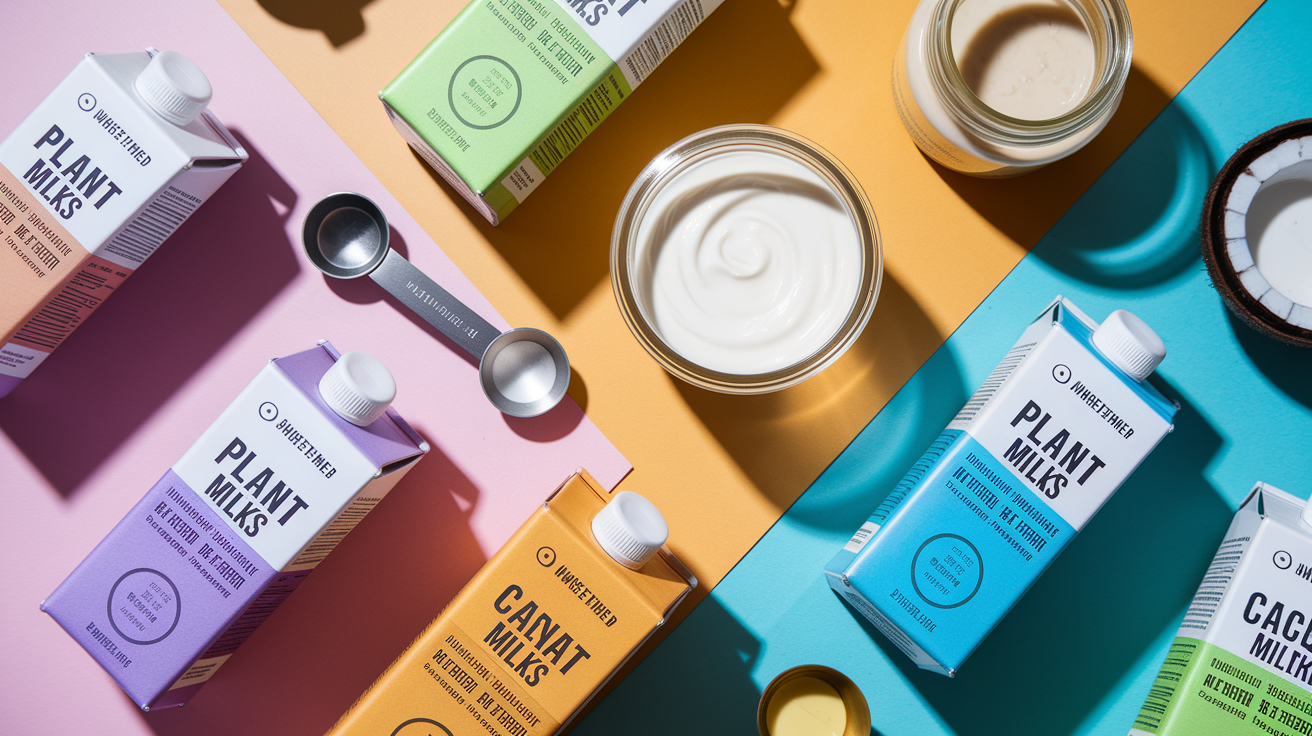
Cashew milk’s the closest match to dairy milk in richness and neutral flavor. But almond milk, oat milk, soy milk, and coconut milk all work without changing the recipe. Go unsweetened so the cobbler doesn’t get too sweet. If someone’s got a tree-nut allergy, skip almond and cashew milk and use soy, oat, or hemp instead.
For fat, coconut oil and vegan butter swap in easily. Use solid coconut oil for biscuit-style toppings because it creates flaky layers when you cut it into the dry mix, just like butter in regular recipes. Melted coconut oil works well in dump-style batters where you pour everything into one dish. Vegan butter can replace coconut oil in any style and adds a slightly richer flavor.
Five substitution rules:
- Replace each cup of dairy milk with one cup of unsweetened plant milk, measured exactly.
- Use solid coconut oil for biscuit toppings, melted coconut oil or vegan butter for dump-style batters.
- If the mix calls for an egg and you want to skip it, add one to two tablespoons extra dairy-free milk to hit the right moisture. The topping will be more crumbly, less cake-like.
- Omit nuts like pecans if needed. They add texture but aren’t required for the recipe to work.
- Taste your fruit before adding it. If it’s tart, mix in one to two tablespoons of granulated sugar to balance the sweetness.
Fruit Options for Dairy Free Cobbler Mixes

Fresh sliced peaches are the most popular and work with nearly any cobbler mix. Wash and slice them into even pieces so they cook at the same rate. You can also use fresh blueberries, blackberries, cherries, or sliced apples. Most mixes are built for about four cups of prepped fruit, so measure loosely and adjust if your fruit’s especially juicy or dry.
Frozen fruit’s fine and saves time, but it releases more water as it bakes. Toss frozen peach slices or berries with one to two tablespoons of flour before adding them to the dish. The flour absorbs the extra liquid and keeps the filling from turning soupy. Canned fruit also works if you drain it well. Pour the fruit into a colander and press gently to remove syrup or juice before using.
Six fruits that pair well with boxed dairy-free cobbler mixes:
- Fresh or frozen peaches
- Blueberries
- Blackberries
- Sweet or tart cherries
- Sliced apples
- Mixed berries
Cobbler Style Variations and How They Affect Baking
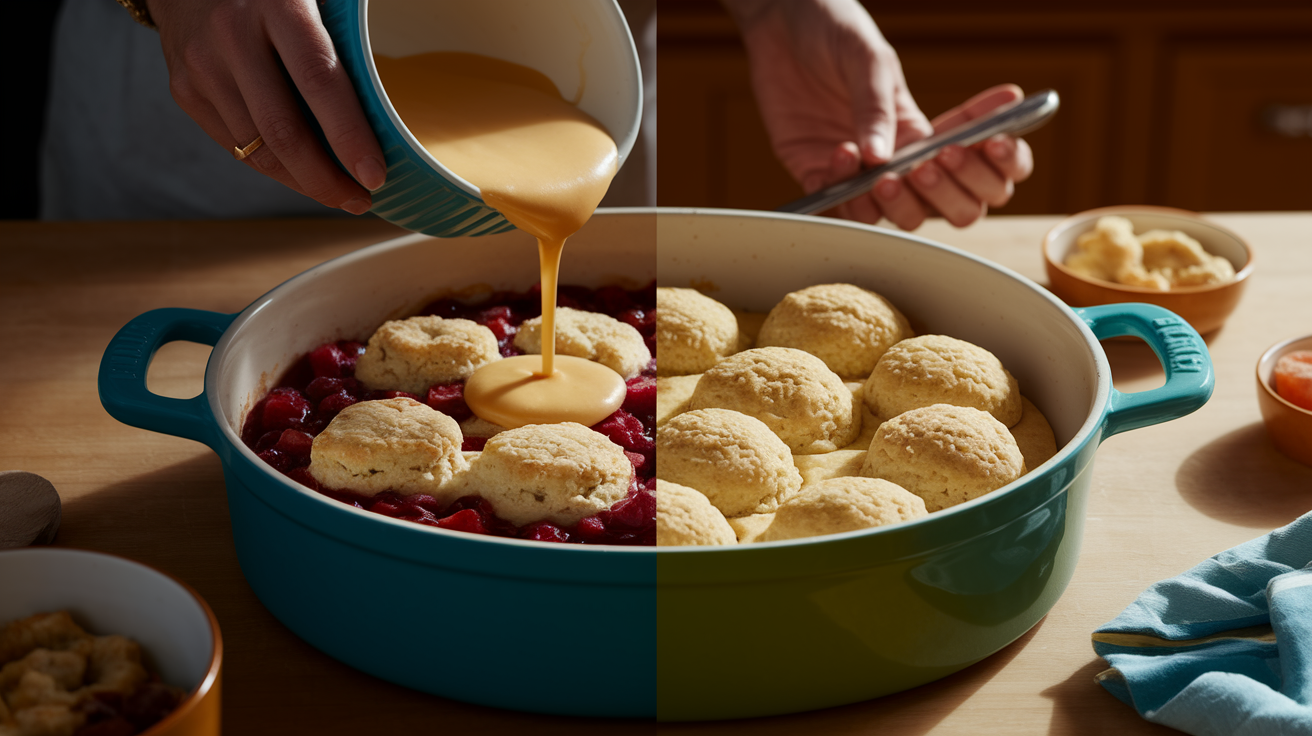
Dump-style cobblers are the simplest. Melt the fat in the baking dish, pour the batter over it without stirring, then add the fruit on top. The batter rises around the fruit as it bakes and creates a soft, cake-like base with fruit pockets. This style uses lower heat, usually 350°F, and bakes longer to cook the batter all the way through without burning the top.
Biscuit-style cobblers start with the fruit in the dish. Then you drop spoonfuls of thick dough on top. The dough bakes into individual biscuit rounds with crispy edges and soft centers. This style uses higher heat, often 450°F, to brown the biscuits quickly while the fruit bubbles underneath. If you want more topping coverage, double the topping measurements and space the dough scoops closer together. That extra topping may need a few more minutes to cook through, so check that the biscuits are golden and dry before you pull the dish out.
| Method | Variation Details |
|---|---|
| Dump-style | Batter poured over melted fat, fruit on top; bakes 35–45 minutes at 350°F; creates cake-like texture; do not stir batter into fat. |
| Biscuit topping | Fruit in dish first, dough dropped in scoops on top; bakes 20–25 minutes at 450°F; creates crisp, golden biscuits; leave small gaps for steam. |
| Double-topping | Standard biscuit method with doubled dough recipe for more coverage; may add 5–10 minutes to bake time; check that center biscuits are cooked through. |
Ingredient Ratios and Batter Consistency for Dairy Free Cobbler Mixes
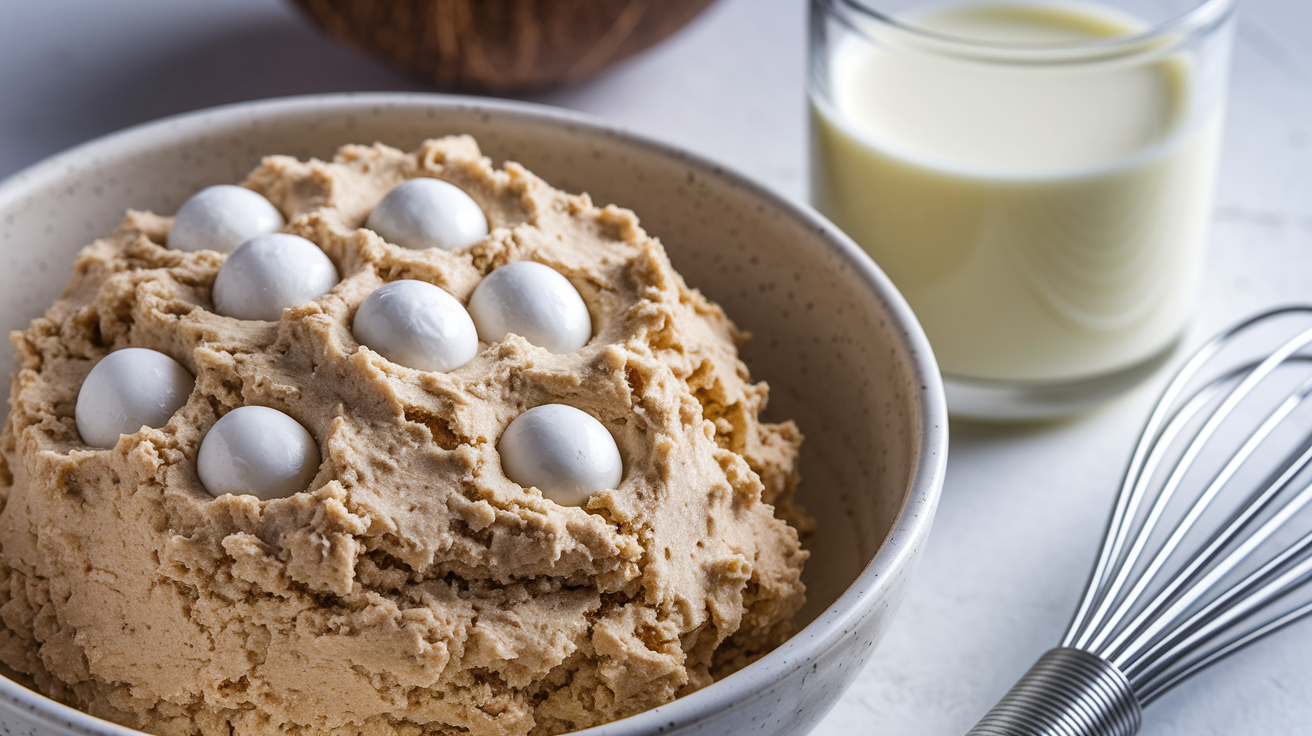
Biscuit-style toppings need solid coconut oil to create flaky texture, so don’t melt it before mixing. Cut the cold oil into the dry mix until the pieces are pea-sized, then add the dairy-free milk just until the dough holds together. Overmixing makes the biscuits dense and tough instead of light and tender. The dough should look slightly shaggy, with small lumps of fat still visible.
If your fruit’s extra juicy or frozen, the filling may thin out as it bakes. Add one to two tablespoons of sugar to the fruit mix if the peaches or berries taste tart, because the sweetness will balance the cobbler’s overall flavor. For very wet fruit, toss it with a tablespoon of cornstarch or arrowroot before adding it to the dish. Dairy-free fats like coconut oil set firmer than butter when cold, so cobblers made with coconut oil may feel slightly greasier if served straight from the fridge. Warm them up for a few minutes before serving to soften the topping and bring back the tender texture.
Troubleshooting Dairy Free Cobbler Mix Problems
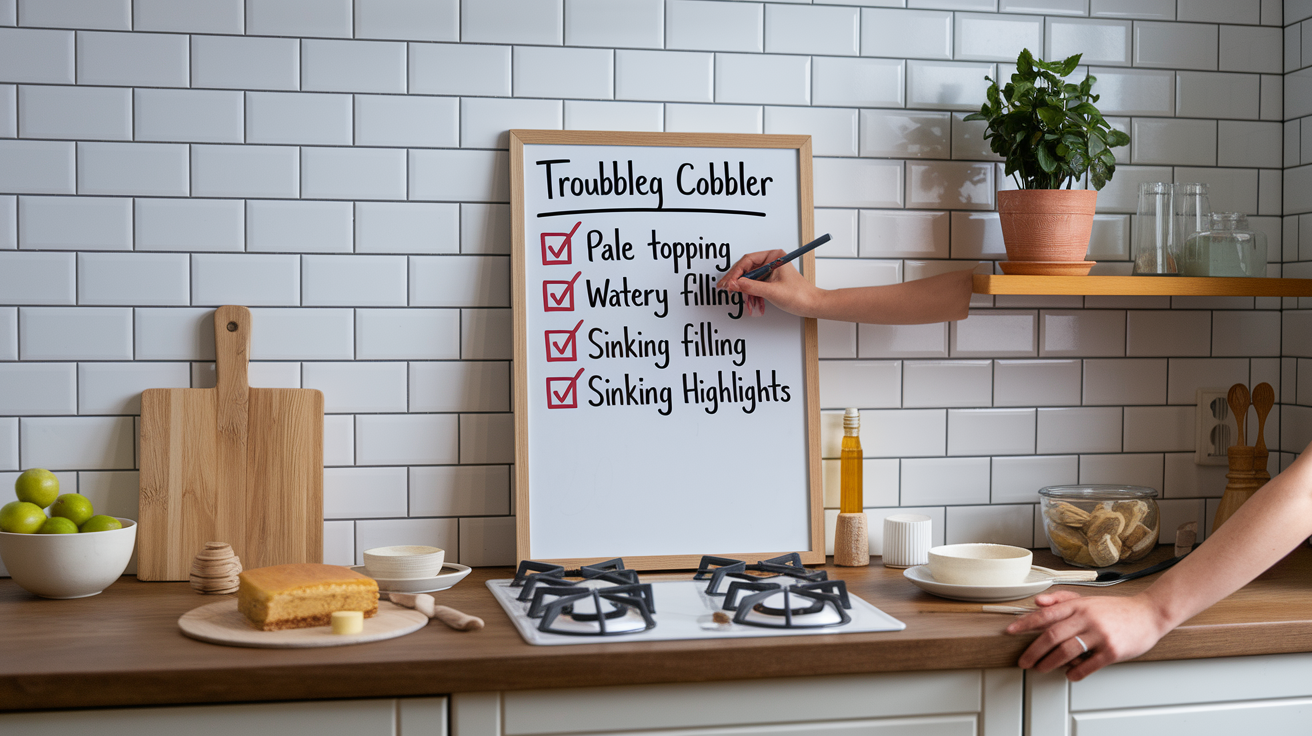
Most cobbler mix issues come from small mistakes in the mixing, baking, or ingredient prep steps. Fixing them’s usually as simple as adjusting one ingredient or checking doneness a different way.
- Topping is pale and doughy – Bump the oven temp by 25°F or bake for another 5 to 10 minutes until the top’s golden brown with a few darker spots. Pale topping means it needs more heat or time.
- Filling is watery and thin – Add one tablespoon of cornstarch or arrowroot to the fruit before baking, or let the cobbler rest for 15 minutes after baking so the juices thicken as it cools.
- Topping sank into the fruit – For dump-style cobblers, never stir the batter into the melted fat. Pour it gently and let it settle on its own. For biscuit-style, make sure the dough’s thick enough to hold its shape when scooped.
- Topping is too dry or crumbly – If you skipped the egg, add one to two tablespoons of extra dairy-free milk to the dough. Without the egg, the topping will be drier and more like a crumble.
- Not enough topping to cover the fruit – Double the topping recipe measurements and space the dough scoops closer together. Expect to add a few extra minutes to the bake time.
- Biscuits are hard on top but raw inside – Lower the oven temp by 25°F and bake longer, or cover the dish loosely with foil for the first half of baking. Remove the foil to brown the top.
- Frozen fruit made the filling soupy – Toss frozen fruit with one to two tablespoons of flour before adding it to the dish. The flour absorbs moisture as the fruit thaws and bakes.
Serving and Storage Tips for Dairy Free Cobbler Mix Desserts
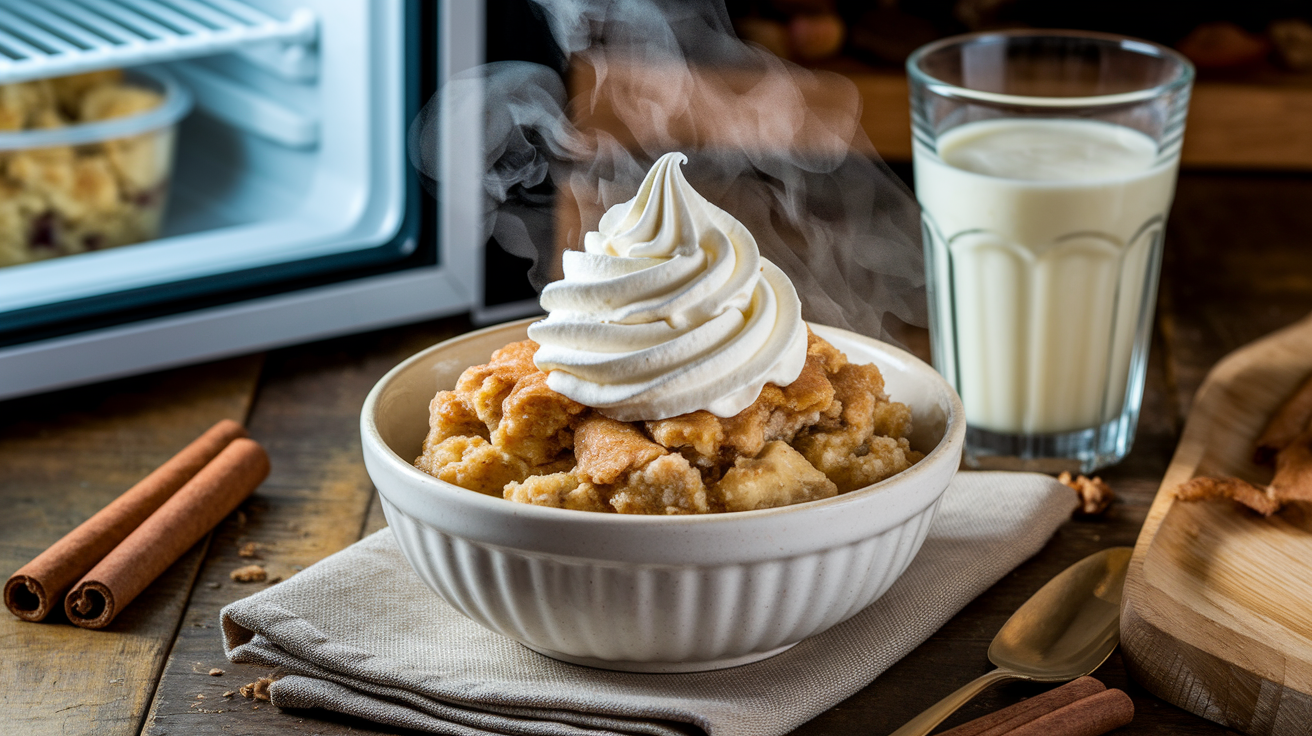
Serve cobbler warm, about 10 to 15 minutes after it comes out of the oven. The filling will be thick and jammy, and the topping will still have a slight crispness. Add a scoop of dairy-free vanilla ice cream, a dollop of coconut whipped cream, or a light sprinkle of cinnamon. Cobbler tastes best the day you bake it, because the topping stays dry and the filling holds its texture.
Store leftover cobbler covered in the fridge for up to three days. The topping will soften as it sits, but you can crisp it again by reheating. If you want to prep ahead, keep the unbaked biscuit topping and the fruit filling in separate containers in the fridge for up to three days, then assemble and bake just before serving. Unbaked biscuit dough can also be frozen for up to three months in an airtight container.
Four reheating tips to bring back the warm, fresh-baked texture:
- Reheat individual servings in the microwave for 30 to 45 seconds at 50% power to warm the filling without making the topping soggy.
- Reheat the whole dish uncovered in a 350°F oven for 10 to 15 minutes until the filling bubbles and the topping crisps slightly.
- If the topping’s already soft, place the dish under the broiler for one to two minutes to brown and dry the top. Watch closely so it doesn’t burn.
- Let reheated cobbler rest for five minutes before serving so the filling thickens again and the topping sets.
Final Words
Preheat your oven and grab an 8×8 or 9×9 pan. This guide walked you through gear, the best plant milks and fats, and how to choose fresh, frozen, or canned fruit so your filling isn’t runny.
We covered dump vs biscuit toppings, batter ratios, bake times (350°F for 35–45 minutes or 450°F for 20–25 minutes), and quick fixes for soggy bottoms or pale tops.
Follow the dairy free cobbler mix instructions and you’ll have a warm, crowd-pleasing dessert ready to share.
FAQ
Q: What can I use instead of milk in cobbler?
A: Instead of milk in cobbler, use almond, cashew, soy, oat, or full-fat canned coconut milk; unsweetened choices keep sugar balanced, and a bit of melted vegan butter adds richer, buttery flavor.
Q: What are common cobbler mistakes?
A: Common cobbler mistakes include underbaking so the filling stays runny, using very wet fruit without a thickener, overmixing the topping, a pale top, and not preheating the oven for even baking.
Q: How to make half and half non-dairy?
A: To make non-dairy half and half, combine equal parts full-fat plant milk (oat, cashew, or almond) with unsweetened dairy-free creamer, or dilute canned coconut milk with water for extra richness.
Q: What are the ingredients in Louisiana cobbler mix?
A: A Louisiana cobbler mix typically contains wheat flour, sugar, baking powder, salt, and flavorings; some blends add milk powder, spices, or preservatives, so always check the package label for exact ingredients.