
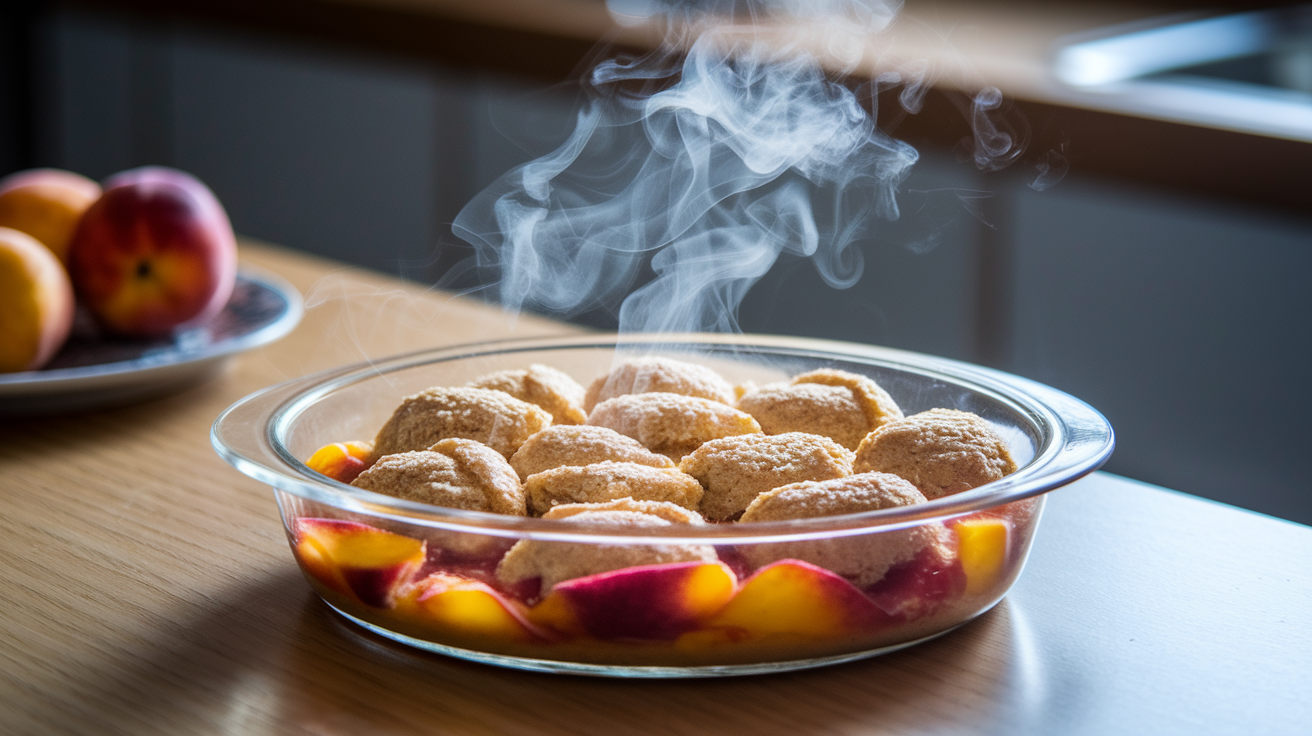
Think flour will save your cobbler? Not always.
Peaches gush juice in the oven, and picking the wrong thickener can mean a soupy, sad dessert.
Tapioca (instant or ground) locks juice into a glossy, jammy filling that holds up to long bakes, freezing, and reheats.
Cornstarch works fast on the stovetop but can thin with extended heat.
Flour gives a heavier, cloudier result and needs more cooking.
Bottom line: for baked peach cobbler, tapioca is usually the best pick; cornstarch and flour have clear use cases.
Choosing the Ideal Thickener for Peach Cobbler Filling
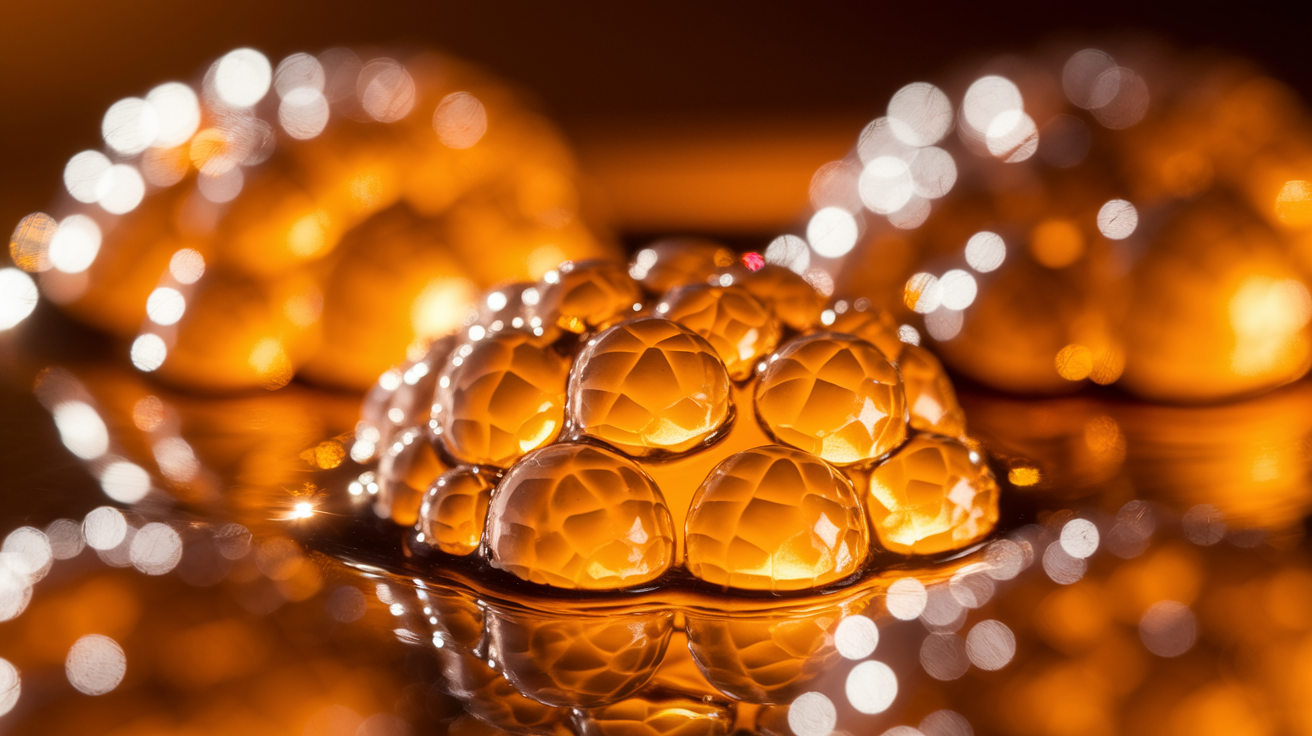
Instant tapioca or tapioca starch works best for peach cobbler filling. It doesn’t break down during long baking times, creates a glossy filling that stays put instead of going watery, and handles freezing and reheating without falling apart. Peaches release a ton of juice when they bake. Tapioca absorbs and holds that liquid better than cornstarch or flour, so you get a filling that looks jammy instead of soupy. The texture stays smooth and see-through, which lets the peach color really show.
When heat hits your cobbler, tapioca forms a gel that won’t weaken or thin out even after 40 minutes in the oven. Cornstarch thickens faster on the stovetop and gives you a clean, glossy finish, but it can break down if the cobbler bakes too long or sits out. Flour needs more time to lose its raw taste and makes a thicker, cloudier filling that covers up the fruit.
You might grab cornstarch when you’re making a stovetop peach filling that won’t bake long, or when you need it to set quickly and you’re serving it the same day. Flour works if you’re out of other options and want a rustic cobbler with a heavier filling.
Quick thickener comparison:
Cornstarch and tapioca are about twice as strong as flour, so you need half the amount. Tapioca and cornstarch both create glossy, clear fillings. Flour makes a matte, cloudy one. Tapioca holds up best to long baking and freezing, cornstarch can thin out with extended heat or freeze-thaw cycles, and flour stays stable but heavy.
How Each Thickener Performs in Peach Cobbler
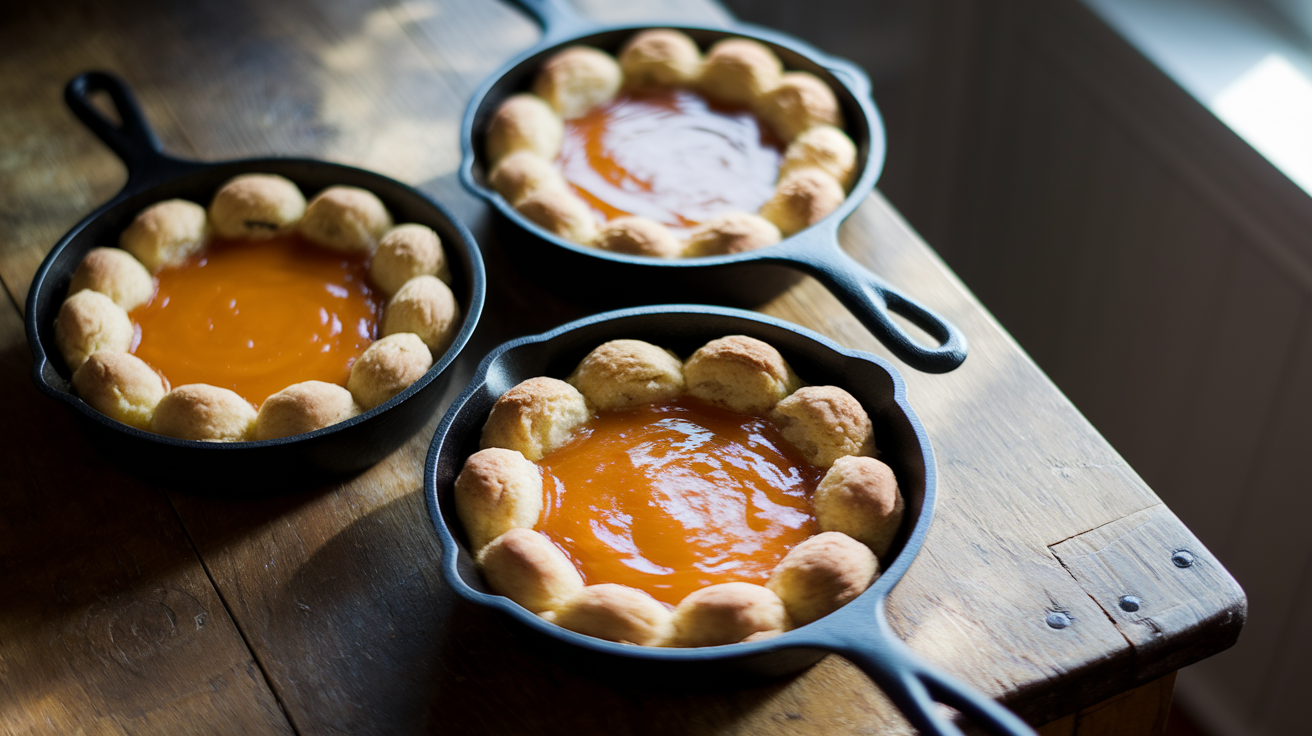
Cornstarch in Peach Cobbler
Cornstarch is a strong, fast thickener that works well when you cook the peach filling on the stovetop before adding your cobbler topping. It activates around 203°F, which means the filling needs to hit a low boil to thicken properly. Once it gets there, cornstarch creates a smooth, glossy gel that coats the peaches and looks almost see-through. The catch? It can break down if you overmix the filling, bake it too long, or let it sit on a warming tray for hours. It also doesn’t handle freezing and reheating well. The filling can weep and turn thin after thawing.
Tapioca Starch in Peach Cobbler
Tapioca starch gives you the most reliable results for baked peach cobbler, whether you use instant tapioca or pure tapioca starch. It thickens gradually as the filling heats and keeps setting as the cobbler cools, so you get a thick, syrupy consistency that won’t turn watery even after the cobbler sits for an hour or two. Tapioca holds its structure during long baking times and through freeze-thaw cycles. Great if you want to make cobbler ahead or you know there’ll be leftovers. The filling stays clear and glossy, and the texture is smooth and jammy. If you accidentally add too much, the filling can turn slightly chewy or gel-like, but that’s easy to avoid by measuring carefully.
Flour in Peach Cobbler
All-purpose flour is the weakest of the three. You need about twice as much flour to get the same thickening power as cornstarch or tapioca. Flour makes a matte, opaque filling that looks more rustic and less polished. It also needs longer cooking time, at least 5 to 10 minutes of simmering, to cook out the raw flour taste and prevent a grainy or pasty texture. Flour is heat-stable and cheap, so it works fine if you want a simple cobbler and you don’t mind a cloudier, heavier filling. The flavor is mild, but it can slightly mute the brightness of the peaches compared to clearer thickeners.
| Thickener | Texture Result | Heat Stability | Best Use Case |
|---|---|---|---|
| Cornstarch | Smooth, glossy, translucent | Moderate, can break down with long baking or freeze-thaw | Stovetop fillings, same-day serving |
| Tapioca | Syrupy, glossy, clear | High, holds through baking and freezing | Baked cobblers, make-ahead desserts |
| Flour | Matte, opaque, heavier | High, stable with long cooking | Rustic cobblers, pantry-only baking |
Texture, Flavor, and Appearance Differences

Tapioca and cornstarch both create smooth, syrupy fillings that coat the peaches without turning gummy or pasty. Tapioca gives you the cleanest, most see-through finish, so the bright orange-yellow color of the peaches really pops. Cornstarch is almost as clear, with a slightly jelly-like texture that’s smooth but can feel a bit slick if you use too much. Flour makes the filling thicker and cloudier, almost gravy-like, with a heavier feel that can come across starchy or dull if you don’t cook it long enough. If you want a filling that looks glossy when you scoop into it, cornstarch or tapioca will get you there. Flour won’t.
The flavor differences are subtle but they’re there. Cornstarch and tapioca are almost completely neutral. They let the sweet, juicy peach flavor come through without adding any taste of their own. Flour can leave a faint raw or pasty taste if it’s undercooked, and even when properly cooked it can slightly mute the brightness of the fruit. The color of the filling also changes. Cornstarch and tapioca keep the peaches looking fresh and vibrant, while flour dulls the color and makes the filling look more beige or tan. If you’re serving cobbler to guests and you want it to look as good as it tastes, skip the flour.
Measurement Guidelines for Each Thickener
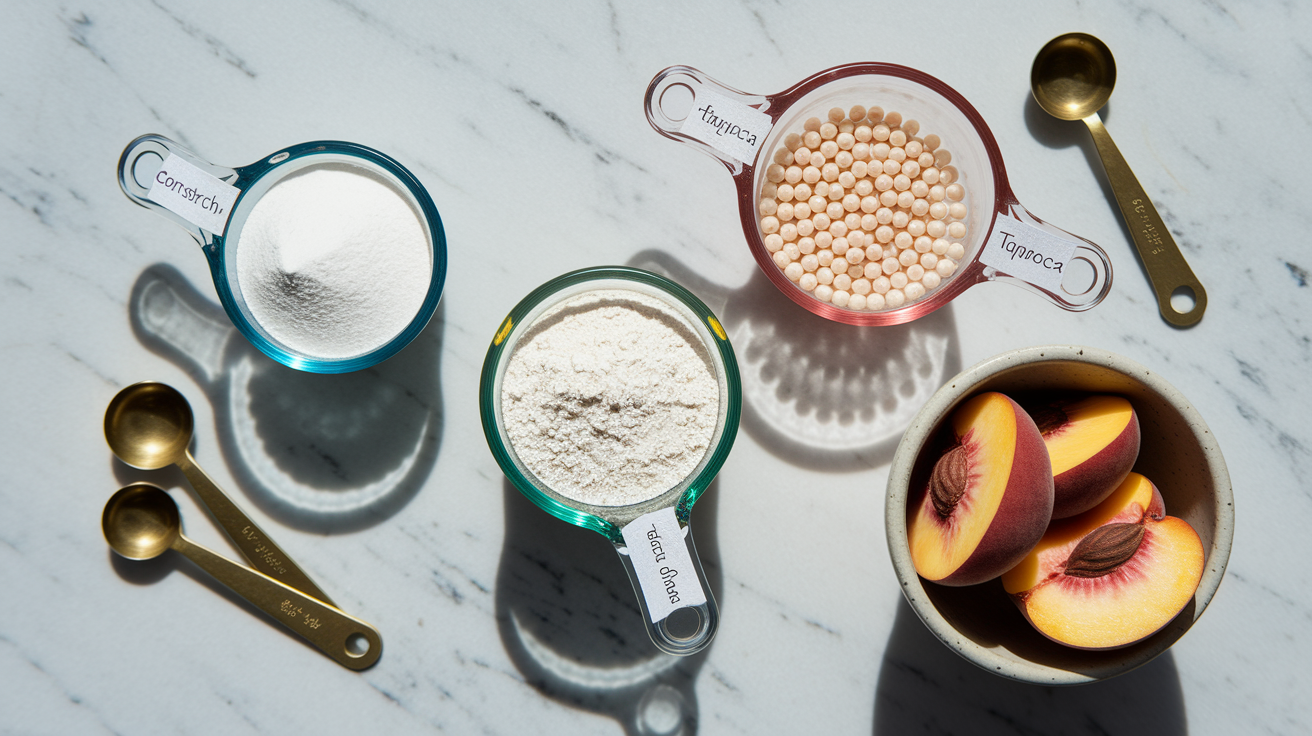
Use these starting amounts for a typical 4-cup batch of sliced peaches:
Cornstarch: use 4 tablespoons (1/4 cup) for a medium-thick filling. Mix the cornstarch with 2 to 3 tablespoons of cold water to make a smooth slurry before stirring it into the hot peaches. Bring the filling to a low boil and cook for 1 to 2 minutes until it thickens and turns glossy.
Instant tapioca: use 4 tablespoons (1/4 cup) for a medium-thick filling. Stir the tapioca directly into the peaches along with the sugar and spices. Let the mixture sit for 10 to 15 minutes before baking so the tapioca can start absorbing the juices. The filling will keep thickening as it bakes and cools.
All-purpose flour: use 8 tablespoons (1/2 cup) for a medium-thick filling. Whisk the flour into the peaches early in the cooking process and simmer the filling for at least 5 to 10 minutes to cook out the raw flour taste. The filling will look cloudier and thicker than cornstarch or tapioca.
Substitution conversions: if you need to swap thickeners, use this rough guide: 1 tablespoon cornstarch ≈ 1 tablespoon instant tapioca ≈ 2 tablespoons all-purpose flour. Adjust the liquid slightly if the filling looks too thick or too thin after mixing.
If your peaches are extra juicy (from fresh, super-ripe fruit or from thawed frozen peaches), add about 25 percent more thickener to keep the filling from turning soupy. For a 4-cup batch, that means bumping cornstarch or tapioca from 4 tablespoons to 5 tablespoons, or flour from 8 tablespoons to 10 tablespoons.
Pros and Cons of Cornstarch, Tapioca, and Flour

Cornstarch:
Strong thickening power means you need less of it, and it creates a smooth, glossy filling that looks polished and professional. But it breaks down with prolonged baking or reheating, and can weep or turn thin after freezing and thawing. Works best for cobblers you plan to serve the same day.
Tapioca:
Holds up beautifully through long baking times, cooling, and even freezing and reheating. The most forgiving and reliable choice for peach cobbler. Takes longer to hydrate and thicken than cornstarch, though. You need to let the filling rest for 10 to 20 minutes before baking, and instant tapioca can leave tiny soft gel bits if you use the pearl type instead of the fine-ground version.
Flour:
Always in your pantry, cheap, and stable under high heat and long cooking times. A solid backup when you don’t have cornstarch or tapioca on hand. Weakest thickening power, which means you need twice as much, and it makes an opaque, matte finish that can look dull and taste slightly pasty if undercooked.
Troubleshooting Peach Cobbler Fillings
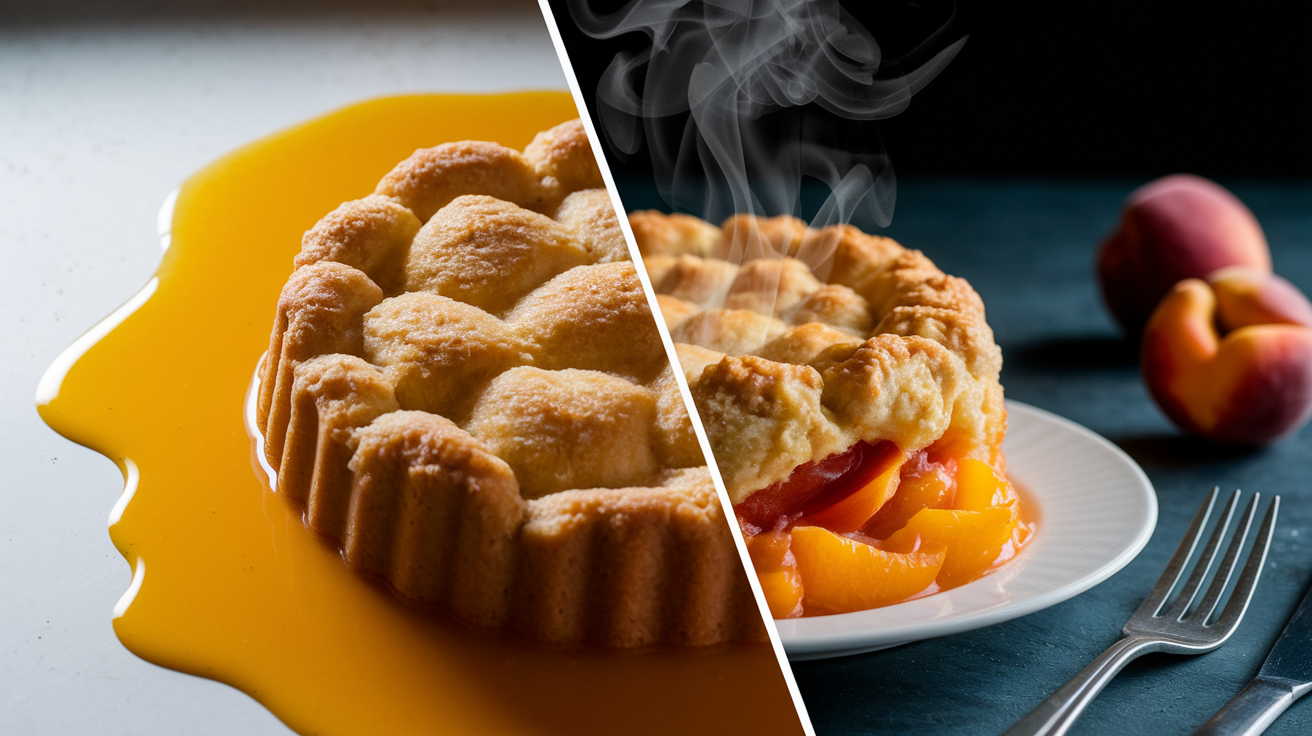
A runny cobbler filling usually happens because the thickener didn’t get hot enough to activate, you didn’t use enough thickener for the amount of juice the peaches released, or the filling didn’t have enough time to cool and set after baking. Gummy or pasty filling comes from adding too much thickener, not cooking the flour long enough, or overmixing a cornstarch-thickened filling after it’s already set. Frozen peaches release way more water than fresh, so if you skip adjusting the thickener amount, the filling will turn soupy no matter which starch you use.
Quick fixes for common problems:
Filling is too thin after baking: if you used cornstarch, you can carefully transfer the filling back to a pot and simmer it for 1 to 2 minutes to re-thicken it. For tapioca-thickened filling, let the cobbler rest for 20 to 30 minutes. It’ll continue to set as it cools. For flour, simmer the filling on the stovetop for 5 to 10 minutes longer.
Filling is too thick or gummy: thin it out by stirring in 1 to 2 tablespoons of hot water or fruit juice at a time until it reaches the right consistency. Do this before baking if you catch it early.
Lumps in the filling: this usually means dry thickener was added directly to hot liquid. Always make a slurry by mixing cornstarch or tapioca starch with a small amount of cold water first, then stir it into the hot peaches.
Pasty or starchy taste: flour is the usual culprit. Make sure you simmer the filling for at least 5 to 10 minutes after adding flour to cook out the raw starch flavor.
Final Thickener Recommendation for Peach Cobbler
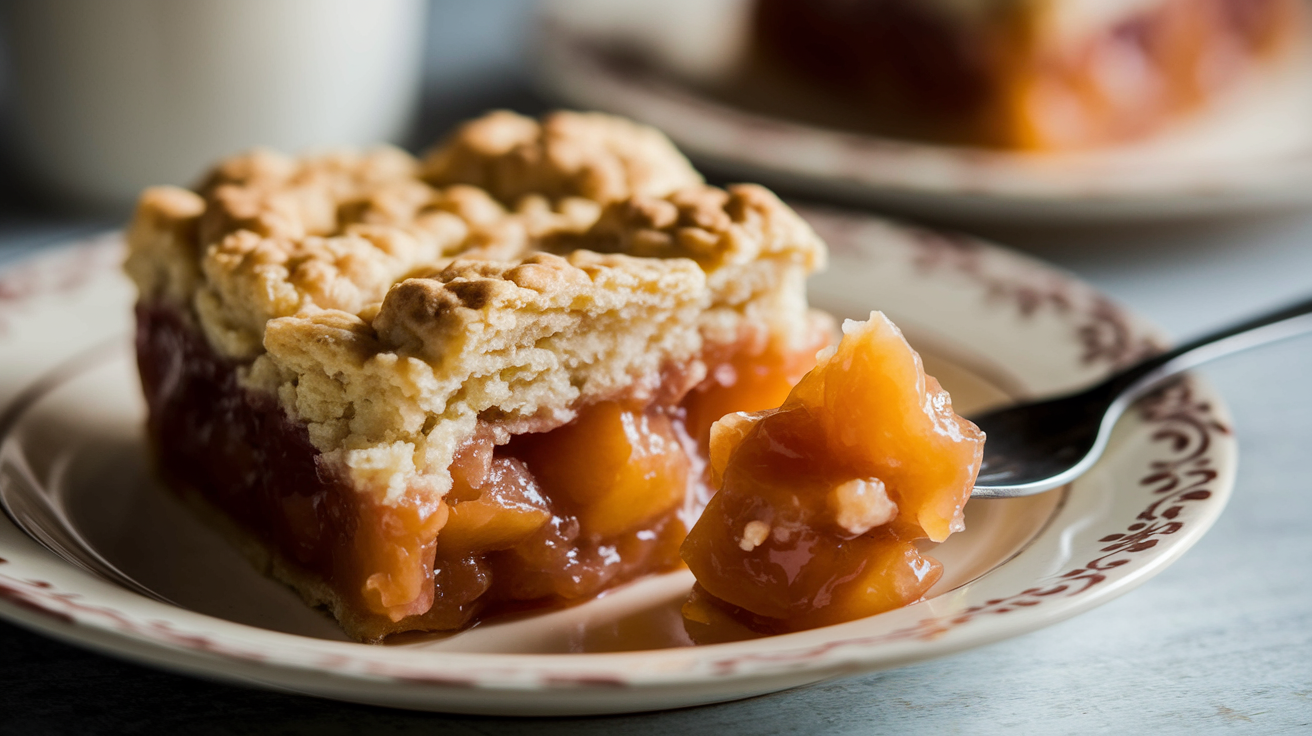
Instant tapioca or tapioca starch is the best all-around thickener for peach cobbler. It creates a glossy, syrupy filling that holds up through baking, cooling, and reheating without breaking down or turning watery. The filling stays clear so the peaches look bright and fresh, and the texture is smooth and jammy rather than stiff or pasty. Tapioca is forgiving. Even if your peaches release more juice than expected, the filling will still set nicely as it cools.
Cornstarch is a strong second choice if you’re making a stovetop filling or you need the cobbler to thicken quickly. It works beautifully for same-day serving, but it doesn’t handle freezing or long holding times as well as tapioca. Flour is your backup when you don’t have cornstarch or tapioca on hand. It’ll thicken the filling and it’s heat-stable, but the texture and appearance aren’t as refined.
Why tapioca wins:
It survives long baking times and freeze-thaw cycles without weeping or thinning out. The flavor is completely neutral, so the peaches taste bright and sweet without any starchy aftertaste. The filling stays glossy and see-through, which makes the cobbler look as good as it tastes.
Final Words
Reach for tapioca when you need a clear, sturdy filling that’ll handle juicy peaches and reheat nicely. Cornstarch gives a glossy, quick set but can break down with too much heat or mixing. Flour works as a simple fallback – it’s reliable but makes a denser, more opaque filling.
For a fast decision: tapioca usually wins. If you’re comparing options, think of the best thickener for peach cobbler cornstarch vs tapioca vs flour. Happy baking – warm cobbler and a scoop of ice cream await.
FAQ
Q: Can I use tapioca flour instead of cornstarch for thickening? Why use tapioca instead of cornstarch?
A: Tapioca flour can replace cornstarch for thickening, and it’s often chosen because it gives a clearer, more stable filling with juicy fruit and resists weeping, just measure carefully to avoid a gummy chew.
Q: Can I use flour instead of cornstarch to thicken peach cobbler? What’s the best thickener for peach pie?
A: You can use flour instead of cornstarch, but it thickens weaker, mutes color, and can taste pasty; tapioca is the best choice for peach pie for a clear, firm, jammy filling.