
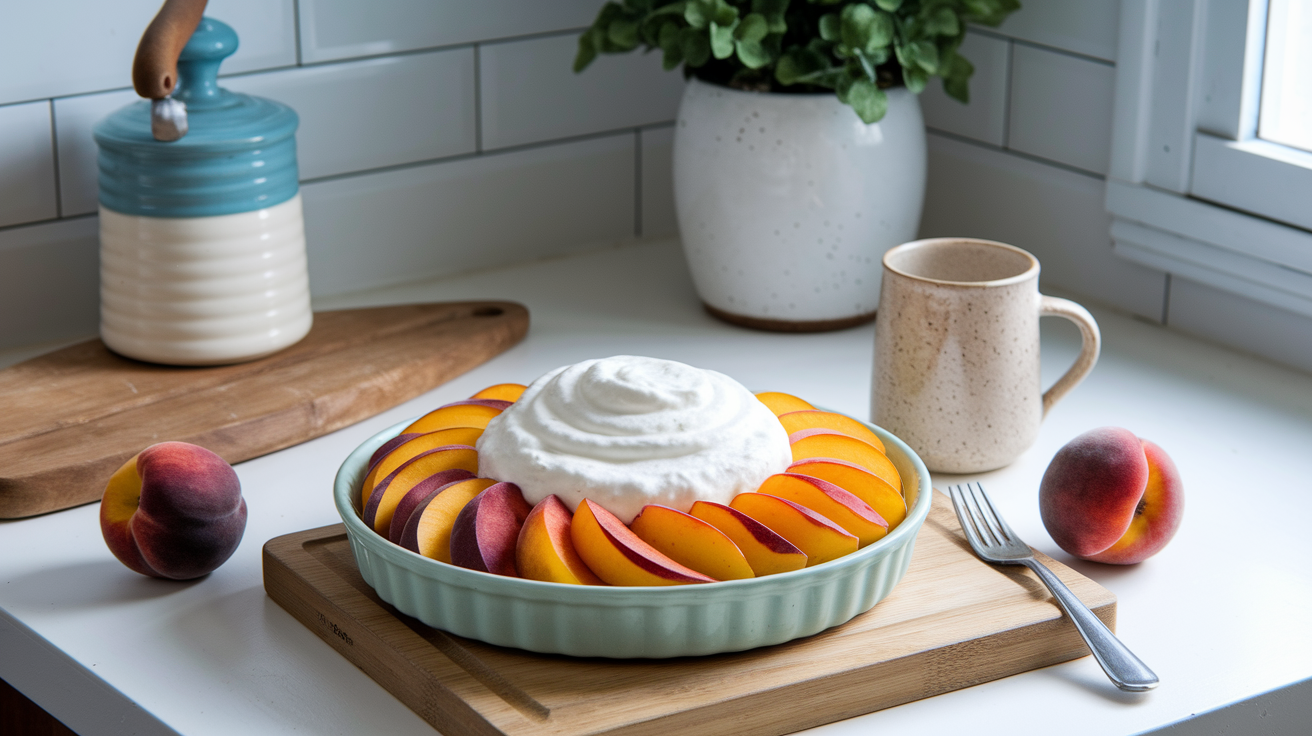
Microwaving cobbler mix isn’t cheating.
It’s the fastest way to get a warm, steamy scoop on the table in under 15 minutes.
This guide walks you through simple, tested microwave steps for full batches and single-serve mugs, with clear doneness cues like bubbling at the edges and a set topping so you won’t guess.
You’ll find container picks, fruit-prep tips, wattage timing, and quick fixes for runny filling, giving you everything to win cobbler-night without the oven.
Complete Step-by-Step Cobbler Mix Instructions for Microwaving
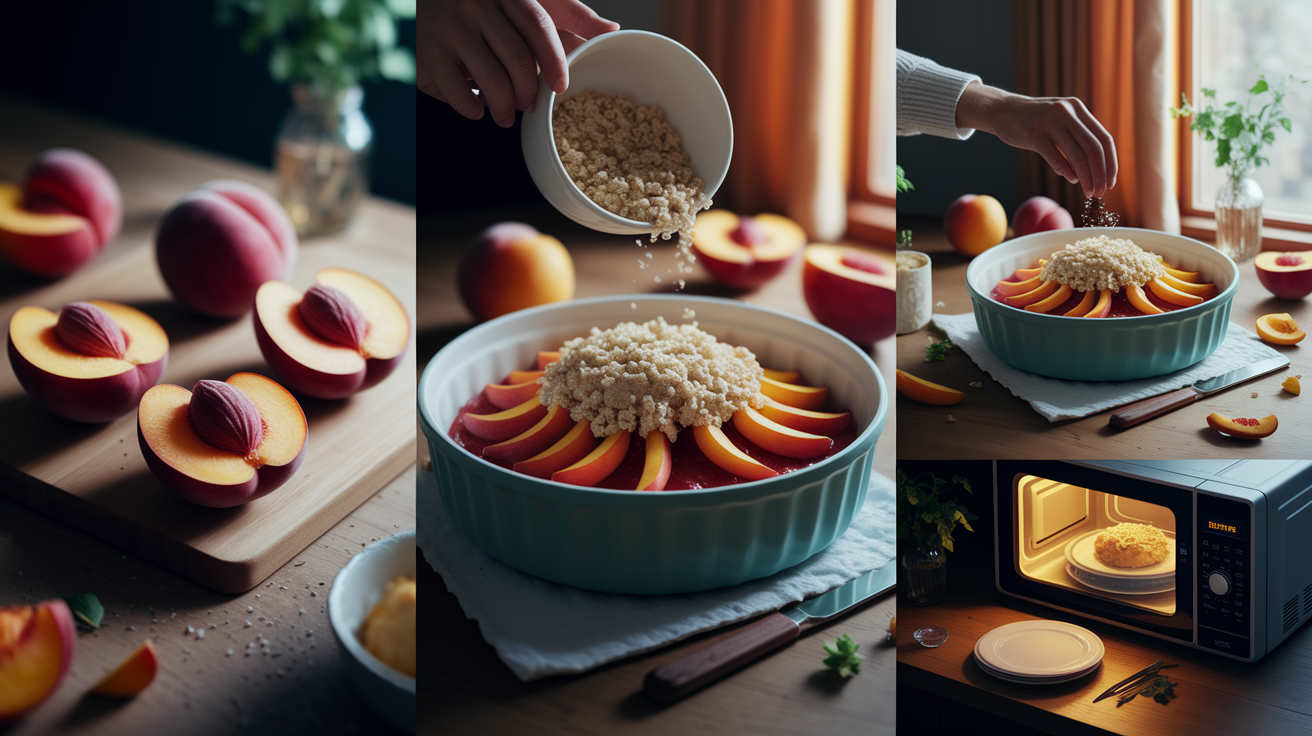
The basic microwave method for cobbler mix is simple: layer fruit in your dish, cover it with topping, and microwave on HIGH until the fruit bubbles and the topping sets. Whether you’re using boxed cake mix or making a from-scratch oat crisp, the steps don’t really change.
For a full batch, you’ll need about 4 to 5 cups of sliced fresh peaches (roughly 6 medium ones), or use canned or frozen fruit instead. The topping goes on top. A single serving uses 1.5 cups of fruit and cooks in around 3 minutes. Both need a microwave-safe deep dish, clear doneness cues, and a quick rest after cooking.
-
Prep your fruit. Peel and slice fresh peaches. Drain canned peaches (half the can for one 15-oz can, or one full can if you’re using two). If using frozen, defrost completely in the microwave for about 1.5 minutes on HIGH until soft and juicy.
-
Pick your container. You want a microwave-safe deep-dish pie plate for a full batch, or a ramekin or mug for a single serving. Glass and ceramic work. Skip metal and thin plastic.
-
Layer the fruit first. Spread your drained or defrosted fruit evenly across the bottom. For a full batch, that’s all 4 to 5 cups. For a single serving, measure 1.5 cups.
-
Make the topping. For a boxed version, mix half a 15-oz box of yellow cake mix with 1 stick of melted butter until crumbly. For a crisp-style topping, combine 3/4 cup brown sugar, 1/2 cup quick oats, 1/2 cup flour, 1 teaspoon cinnamon, and 1/2 cup melted butter. For a single-serve cake-style version, melt 1 tablespoon butter in the ramekin (30 seconds on HIGH), then mix 2 tablespoons flour, 2 tablespoons milk, 1 tablespoon granulated sugar, 1/2 teaspoon cinnamon, 1/4 teaspoon vanilla, 1/4 teaspoon baking powder, and a pinch of salt. Spread over the fruit.
-
Add the topping. Drop spoonfuls evenly over the peaches. Leave small gaps so steam can escape. Don’t press down. You want coverage, not a seal.
-
Microwave on HIGH. For a full batch, cook 15 minutes without stopping. For a single serving, cook 1 minute after layering (the fruit and butter steps already took 1.5 + 0.5 minutes). If your microwave is lower wattage or you used fresh fruit that wasn’t pre-cooked, add time in 1 to 2 minute chunks.
-
Check for doneness. The filling should be bubbling hard at the edges, the fruit should be completely soft when you poke it with a fork, and the topping should look set and cake-like, not wet or shiny. For safety, an internal temp of 165°F confirms it’s done.
-
Let it rest. Leave the cobbler in the microwave or on the counter for 1 to 2 minutes if it’s a single serve, or 5 to 10 minutes for a full batch. This standing time lets the juices thicken and the topping firm up.
Use oven mitts to remove the dish. The container and the fruit syrup inside will be crazy hot, even after resting.
Microwave Cobbler Mix Ratios, Containers, and Batter Thickness Guidelines
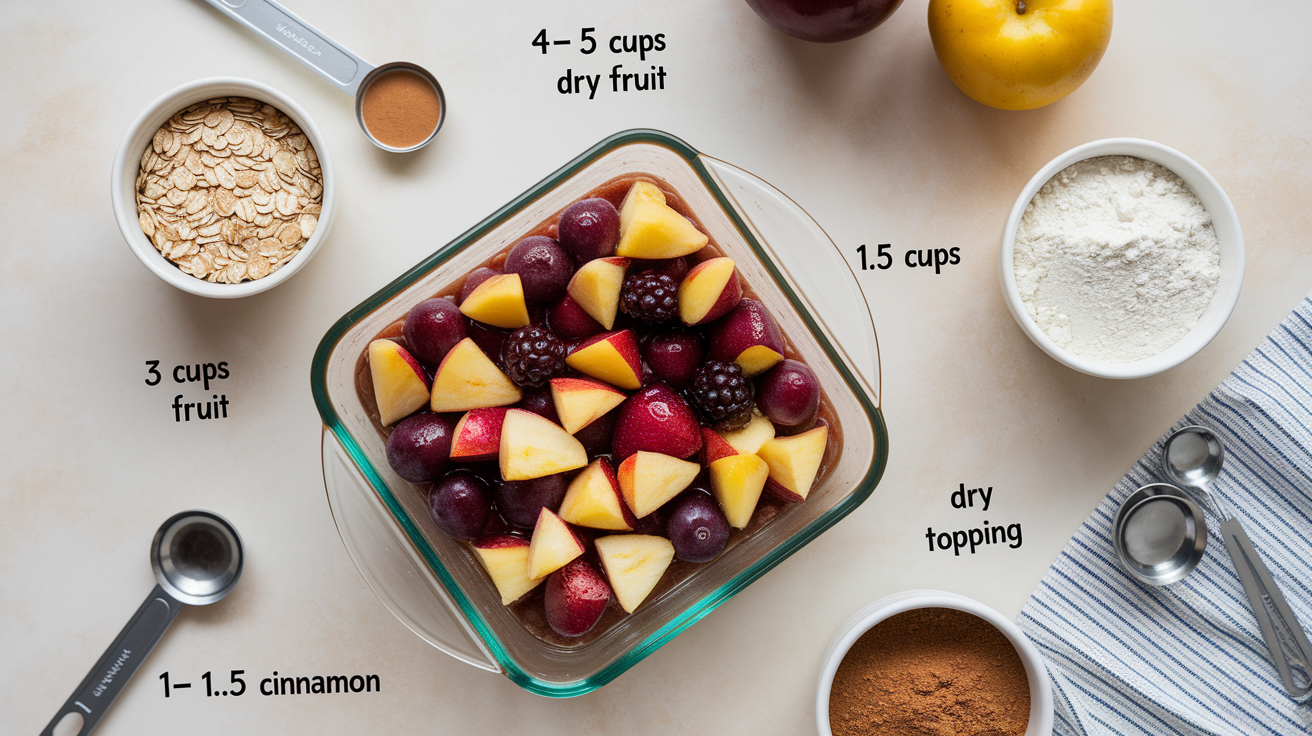
The standard ratio for a microwave cobbler is about 4 to 5 cups of fruit (6 medium peaches, or 1 to 2 cans drained) to roughly 1 to 1.5 cups of dry topping ingredients. A single serving uses 1.5 cups of fruit and about 5 to 6 tablespoons of combined topping. Too much fruit relative to topping leaves you with soup. Too much topping can get dense or dry.
Container choice matters. Glass and ceramic ramekins, mugs, and baking dishes are microwave-safe and heat evenly. Avoid plastic unless it’s explicitly labeled microwave-safe for high temps and extended times. Metal is never safe in the microwave. For a full batch, an 8 x 8-inch glass or ceramic dish works well. For single servings, a 12 to 16-ounce ramekin or microwave-safe mug gives enough room for bubbling without overflow. Topping texture depends on your ingredient balance. More oats and less flour creates a crisp-like topping that stays crumbly. More flour and baking powder (like the cake-style single-serve version) produces a softer, cake-like layer.
| Container Type | Size | Resulting Texture | Notes |
|---|---|---|---|
| Deep-dish pie plate (glass) | 9-inch or 8×8-inch | Crisp-style, oat-forward topping | Best for full-batch recipes; allows even heat distribution |
| Ceramic ramekin | 12–16 oz | Cake-like, tender topping | Ideal for single servings; retains heat well |
| Microwave-safe mug | 12–16 oz | Cake-like, quick-set topping | Convenient for speed; check for “microwave safe” stamp |
| Silicone baking cup | 8–12 oz | Softer, steam-trapped topping | Flexible; may need slightly longer cook time |
Microwave Cobbler Cooking Times, Power Levels, and Wattage Adjustments
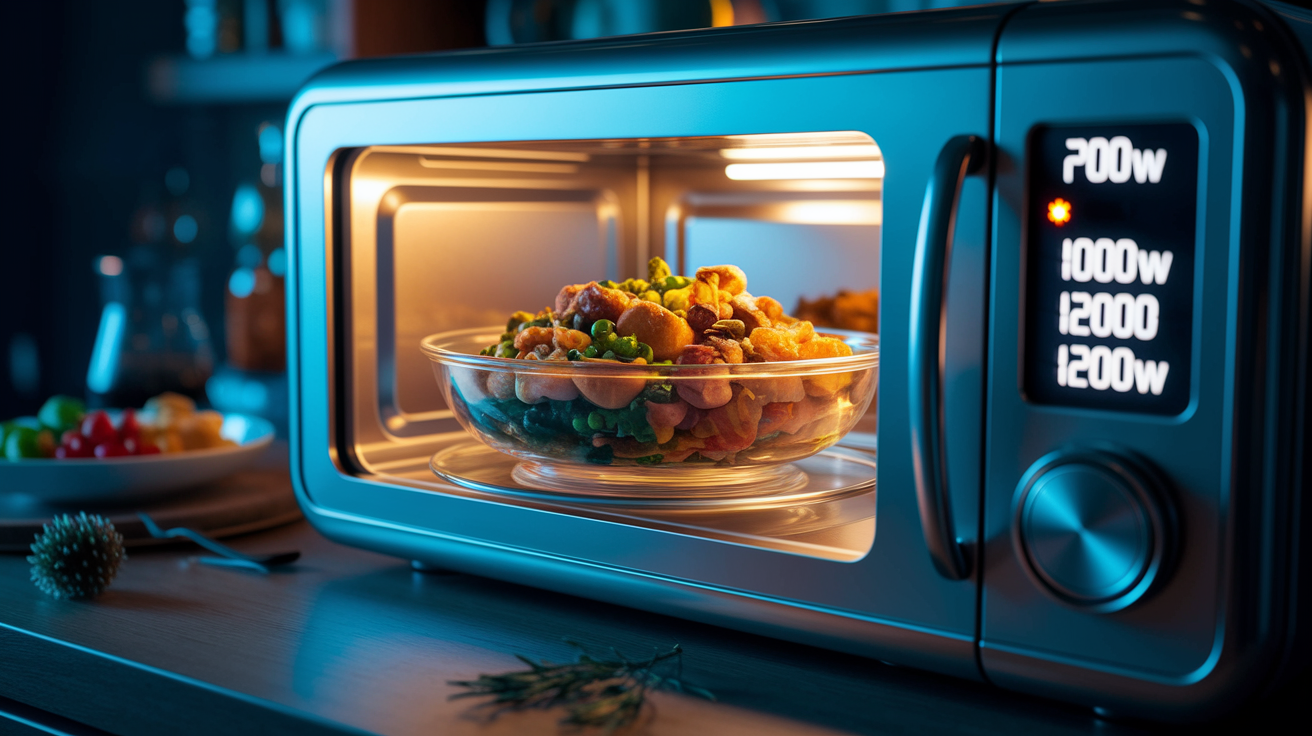
Most microwave cobbler recipes assume a 1000-watt microwave running on HIGH (100 percent power). At that wattage, a 3-ingredient boxed-mix cobbler in an 8 x 8-inch dish cooks in 5 to 7 minutes, while a full crisp-style version with fresh peaches takes about 15 minutes. A single-serve mug cobbler is done in roughly 3 minutes total (including defrost and butter-melt steps). If your microwave runs hotter or cooler, you’ll need to adjust.
700-watt microwave: Add 2 to 4 minutes to the total cook time. Start checking at the low end of the original range, then extend in 1-minute bursts. A 15-minute recipe may need 17 to 19 minutes.
1000-watt microwave: Use times as written. Check doneness at the minimum suggested time, then add 30 seconds to 1 minute if needed.
1200-watt or higher microwave: Reduce cook time by 1 to 2 minutes and monitor closely. High-wattage microwaves can overcook fruit quickly, leaving the topping pale but the filling dry.
Doneness is confirmed when the fruit filling is bubbling steadily at the edges (not just in one spot), the fruit pieces are completely soft when pierced, and the topping has lost its raw, wet look and feels set to the touch. For food safety, an internal temperature of 165°F in the center is ideal. If the edges are bubbling but the center looks pale or the topping is still shiny, keep microwaving in 10 to 30 second intervals until everything is evenly cooked and the topping no longer jiggles.
Fruit Options for Microwave Cobbler Mix: Fresh, Frozen, and Canned
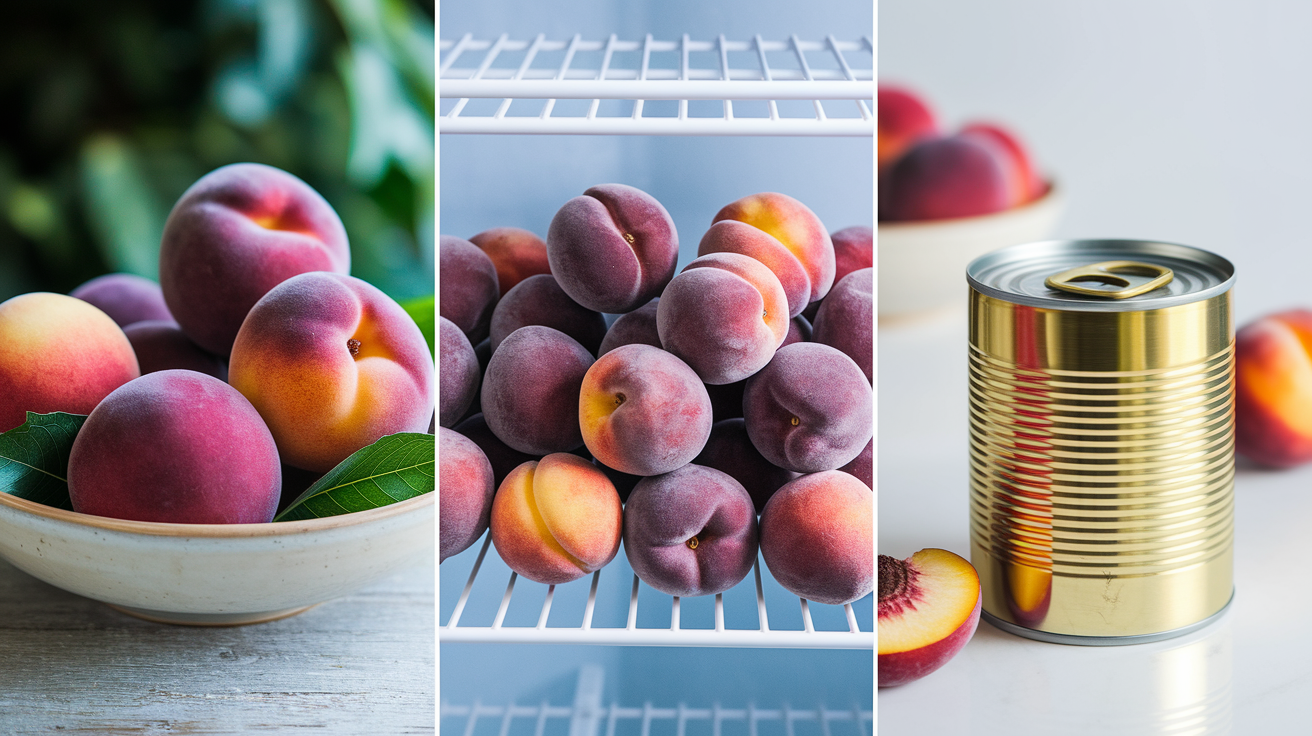
Canned peaches are the most forgiving option for microwave cobbler. Use one 29-oz can and drain half the syrup, or two 15-oz cans and drain one completely. Heavy syrup peaches deliver the best flavor and moisture balance. Light syrup and juice-packed versions work but taste less sweet and produce thinner filling. Pie filling also works, though it already contains thickener and gel, so you might want to skip adding extra cornstarch or flour.
Fresh peaches require a bit more attention. Peel and slice 6 medium peaches to get about 4 to 5 cups. Because fresh fruit starts out firmer and drier than canned, you may need to pre-cook it. Some people microwave fresh peach slices alone for 1 to 4 minutes on HIGH before adding the topping, stirring once halfway through. This softens the fruit and releases juice. If you skip the pre-cook, extend the final microwave time by 2 to 4 minutes and check often.
Frozen peaches: Fully defrost first by microwaving on HIGH for 1.5 to 2 minutes, stirring once. Drained defrosted peaches behave like canned. Don’t microwave frozen fruit with the topping already on. The topping will overcook before the fruit softens.
Blackberries and nectarines: Cook times are similar to peaches. Nectarines can be swapped 1:1 with peaches. Blackberries may release more juice, so consider adding 1 tablespoon of flour or 1 teaspoon of cornstarch to the fruit before microwaving.
Apples: Peel, core, and slice thinly. Apples need longer cooking, often 17 to 20 minutes for a full batch or 5 to 6 minutes for a single serving. Check that slices are fork-tender before you call it done.
Blueberries, raspberries, and mixed berries: These cook quickly but can turn watery. Drain any excess juice after defrosting, and add 1 to 2 teaspoons of cornstarch or instant tapioca to the fruit layer.
Tropical fruits (pineapple, guava, mango): Reported to work in single-serve mugs. Omit cinnamon with guava. Drain canned versions well and expect a looser, juicier filling.
Thickening and Preventing Runny Microwave Cobbler Mix
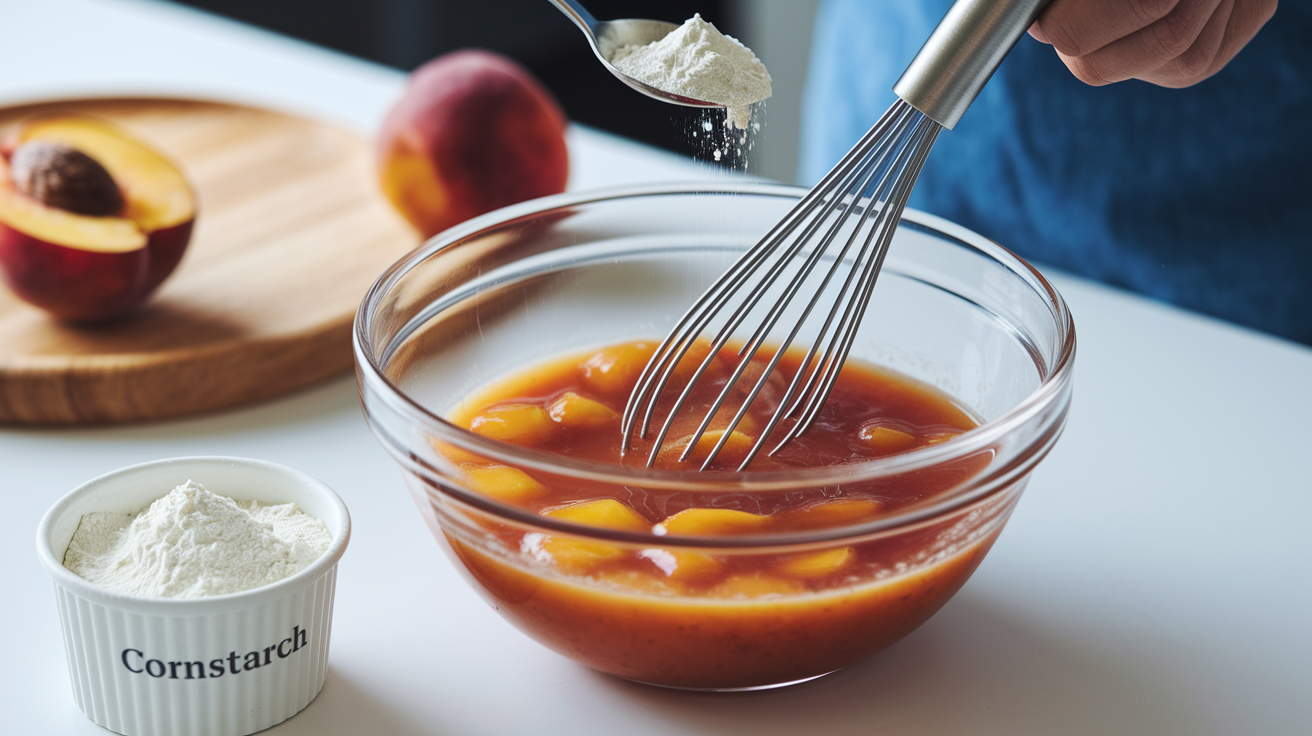
Runny cobbler happens when fruit releases too much juice and the topping can’t absorb it during the short microwave cook time. The simplest fix is to add a thickener directly to the fruit before you layer on the topping. Stir 1 to 3 tablespoons of all-purpose flour or 1 to 2 teaspoons of cornstarch into the drained fruit. The starch will hydrate and thicken the juices as they heat.
Draining canned fruit properly is the other half. If you use two 15-oz cans of peaches, drain one can completely. If you use one 29-oz can, pour off about half the syrup. For a single 15-oz can, drain half. Don’t skip this. Heavy syrup is flavorful, but too much liquid will leave you with fruit soup under a soggy topping. Extra oats in the topping mixture can also help. Increasing the oat amount by 2 to 4 tablespoons adds texture and absorbs moisture without making the topping tough.
- Add thickener to the fruit layer: Toss sliced or drained fruit with 1 to 3 tablespoons flour or 1 to 2 teaspoons cornstarch before placing in the dish.
- Increase oats in the topping: Add 2 to 4 extra tablespoons of quick oats to crisp-style toppings to soak up released juice.
- Let the cobbler rest after microwaving: A 1 to 2 minute rest for single servings, or 5 to 10 minutes for full batches, allows juices to settle and the topping to firm. This standing time can turn a loose filling into a spoonable one.
Microwave Cobbler Mix Variations: Peach, Apple, Berry, and More
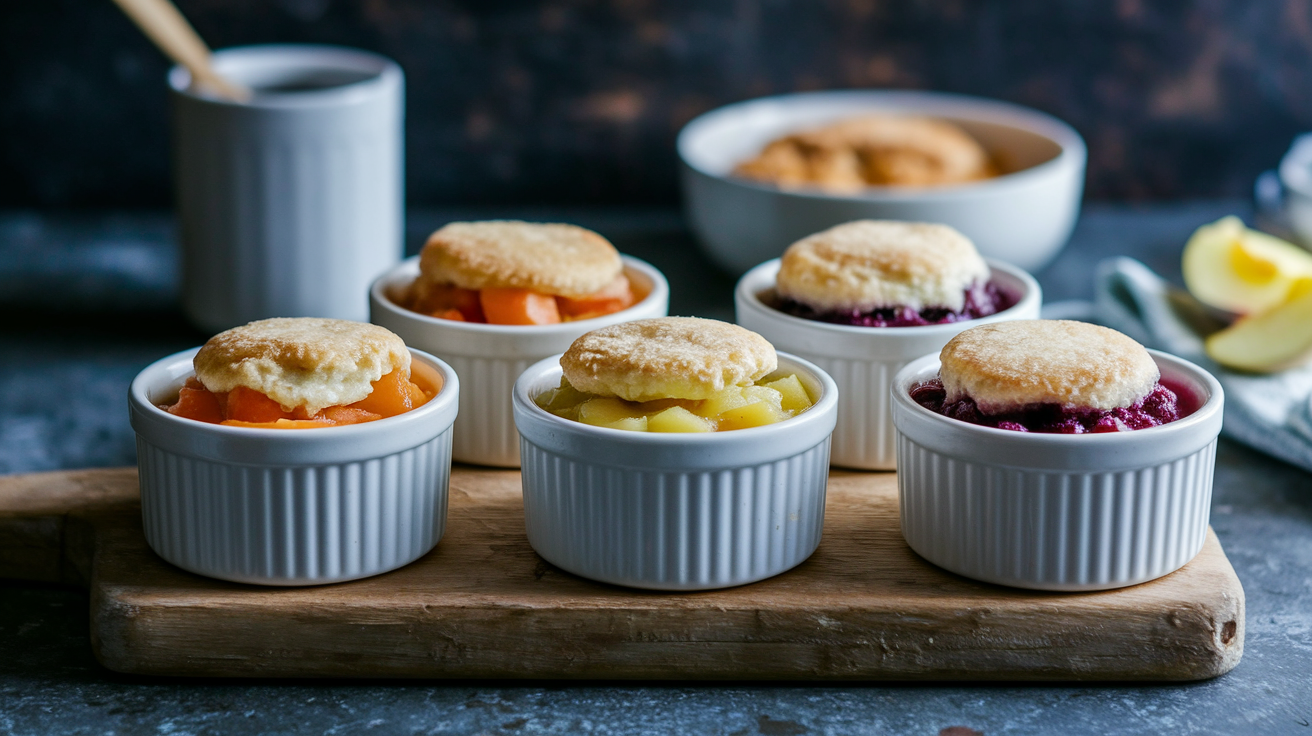
Peach cobbler is the baseline, but microwaving works with almost any fruit. The key is matching cook time and moisture level to the fruit you choose, and tweaking spices to complement the flavor.
Peach
Fresh, canned, or frozen peaches all deliver classic cobbler flavor. Canned peaches in heavy syrup are the easiest and most consistent. Add 1 teaspoon of cinnamon and a pinch of nutmeg to the fruit or fold it into the topping. A splash of vanilla extract or a strip of lemon zest brightens the sweetness without adding more sugar.
Apple
Peel and slice apples thinly so they cook evenly. Granny Smith and Honeycrisp both work well. Increase cinnamon to 1.5 teaspoons and add 1/4 teaspoon nutmeg or allspice. Expect to add 2 to 5 extra minutes of microwave time compared to peaches, and check that slices are fork-tender before serving.
Berry
Blueberries, blackberries, raspberries, and mixed berries cook fast and release a lot of juice. Reduce added sugar slightly if using sweetened frozen berries. Add 1 to 2 teaspoons of cornstarch to the fruit layer to prevent a watery filling. Lemon zest and a pinch of cardamom pair well with berries. Cook times are similar to peaches, sometimes slightly shorter.
Tropical
Pineapple, mango, and guava have been tested successfully in single-serve mugs. Drain canned versions thoroughly. Omit cinnamon and use vanilla or a pinch of ginger instead. Expect a juicier, lighter filling. Lime zest works better than lemon with tropical fruit.
Add texture and richness by stirring chopped almonds, walnuts, or pecans into the topping before microwaving. A tablespoon of sliced almonds mixed with the oat topping adds a subtle crunch. Some people add 1 to 2 tablespoons of extra oats for a heartier crisp. Vanilla extract, almond extract, and citrus zest all boost flavor without changing texture or cook time.
Single-Serve Microwave Cobbler Mix (Mug or Ramekin)
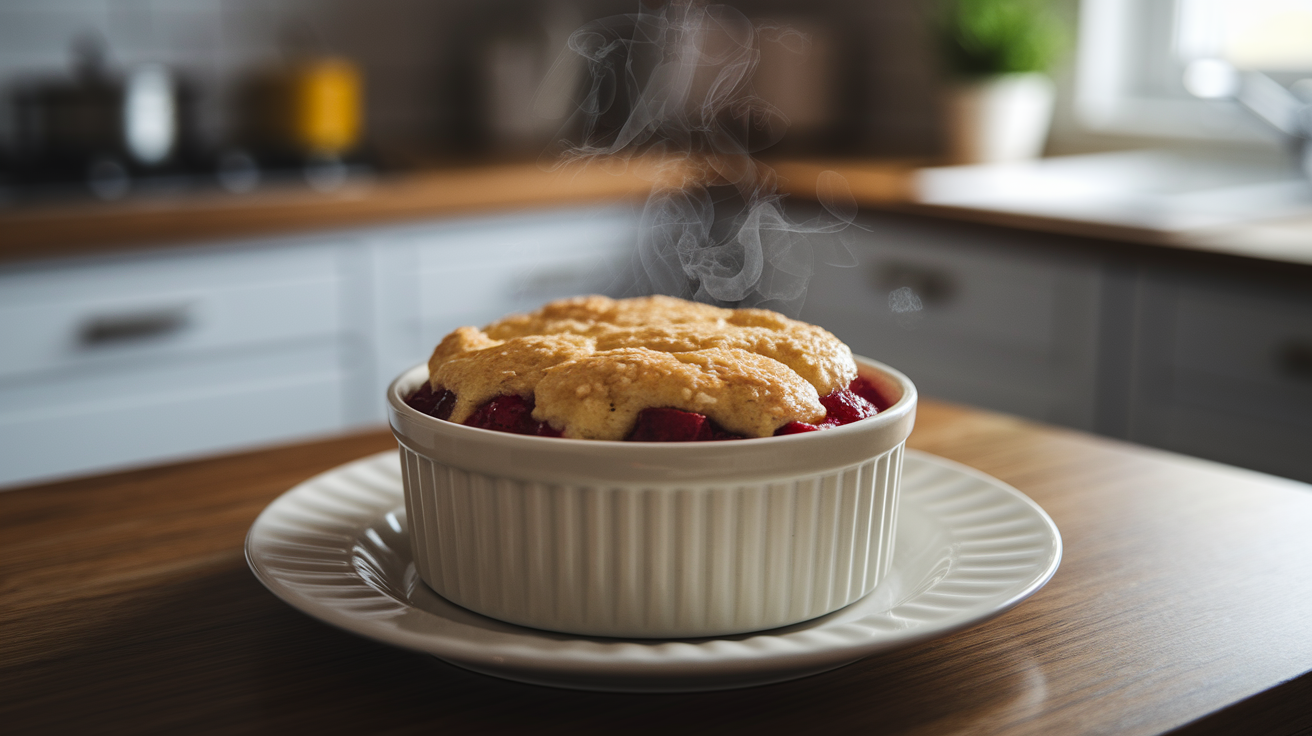
A single-serve cobbler in a mug or ramekin is ready in about 3 minutes and uses just 1.5 cups of fruit. This method works best with frozen or canned peaches, since fresh fruit may need pre-cooking. The topping is more cake-like than crisp-like, thanks to the milk, baking powder, and a small amount of flour.
Use a microwave-safe ceramic ramekin, glass bowl, or a sturdy mug labeled “microwave safe.” Avoid thin-walled mugs or anything with metallic trim. A 12 to 16-ounce capacity gives you enough room for bubbling fruit without overflow.
-
Defrost the fruit. Combine 1.5 cups frozen peaches, 2 tablespoons light brown sugar, and 1/2 teaspoon cinnamon in a small microwave-safe bowl. Microwave on HIGH for 1.5 minutes, then stir. The peaches should be completely soft and juicy.
-
Melt the butter. Place 1 tablespoon butter in your ramekin or mug. Microwave on HIGH for 30 seconds or until fully melted.
-
Layer the fruit. Pour the defrosted peach mixture over the melted butter in the ramekin. Don’t stir. The butter will rise and mix as it cooks.
-
Make the topping batter. In a small bowl, combine 2 tablespoons all-purpose flour, 2 tablespoons milk, 1 tablespoon granulated sugar, 1/2 teaspoon cinnamon, 1/4 teaspoon vanilla extract, 1/4 teaspoon baking powder, and a pinch of salt. Stir until smooth.
-
Spread the batter. Spoon the batter evenly over the peaches, covering as much surface as possible. It’ll be thick, almost like cookie dough. Don’t worry if it doesn’t spread perfectly.
-
Microwave on HIGH for 1 minute. Check the topping. It should look set and cake-like, not wet. If it still jiggles or looks shiny, microwave another 10 to 30 seconds.
-
Sprinkle the top. Right after removing, sprinkle the remaining 1 tablespoon of brown sugar over the hot topping. It’ll melt slightly and form a sweet crust as it cools.
-
Cool briefly. Let the mug sit for 1 to 2 minutes before eating. The filling will be very hot.
Silicone molds labeled microwave-safe also work for single servings, though they may trap more steam and produce a softer, less crisp topping. Glass and ceramic heat more evenly and are the safest choices for repeated use.
Troubleshooting Microwave Cobbler Mix Problems
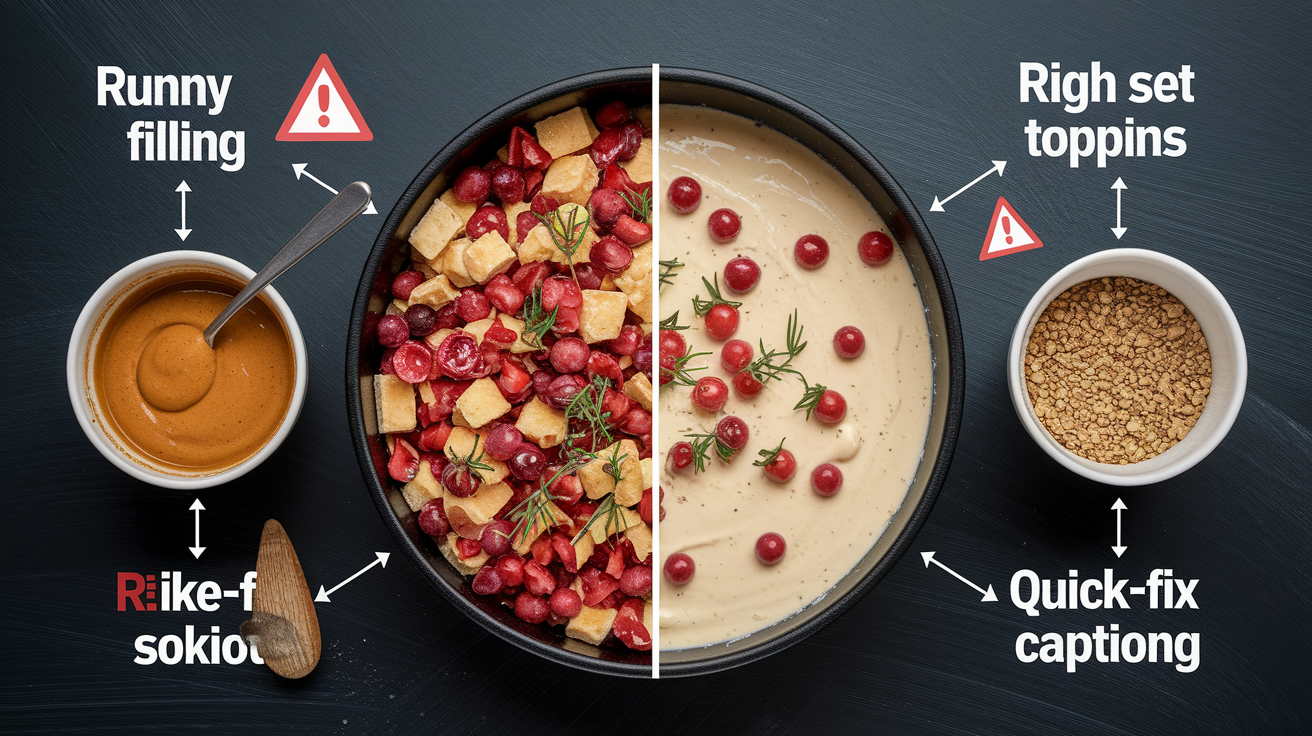
Even simple microwave cobblers can run into a few common issues. Most are easy to fix with small tweaks to ingredients, cook time, or technique.
Runny or soupy filling: Add 1 to 3 tablespoons of flour or 1 to 2 teaspoons of cornstarch to the fruit before microwaving. Drain canned fruit more thoroughly. Let the cobbler rest for 5 to 10 minutes after cooking so juices can thicken.
Topping is undercooked or wet in the center: Microwave for an additional 10 to 30 seconds on HIGH. Check doneness by pressing the center lightly. It should feel set, not squishy. If the edges are done but the center is raw, your microwave may have hot spots. Rotate the dish halfway through cooking next time.
Topping doesn’t brown: Microwaves can’t create the Maillard reaction that causes browning. The topping will stay pale but will firm up as it cools. If you want a browned top, transfer the cooked cobbler to an oven-safe dish and broil for 1 to 2 minutes, watching closely.
Fruit is still hard after the recommended cook time: Extend cooking in 1 to 2 minute intervals until the fruit is fork-tender. Fresh and frozen fruit sometimes need more time than canned. Stir the fruit halfway through if it’s cooking unevenly.
Cobbler boils over: Use a deeper dish next time, and leave gaps in the topping layer so steam can escape. Reduce power to 80 percent if your microwave runs very hot.
Topping sinks into the fruit: This happens when the batter is too thin or the fruit is too juicy. Thicken the topping by adding 1 tablespoon more flour or oats. Drain fruit more thoroughly.
If microwaving two servings at once, expect uneven cooking. Microwaves heat unevenly when multiple dishes are present. Cook one at a time for the best results, or rotate dishes halfway through and add extra time.
Dietary Modifications for Microwave Cobbler Mix
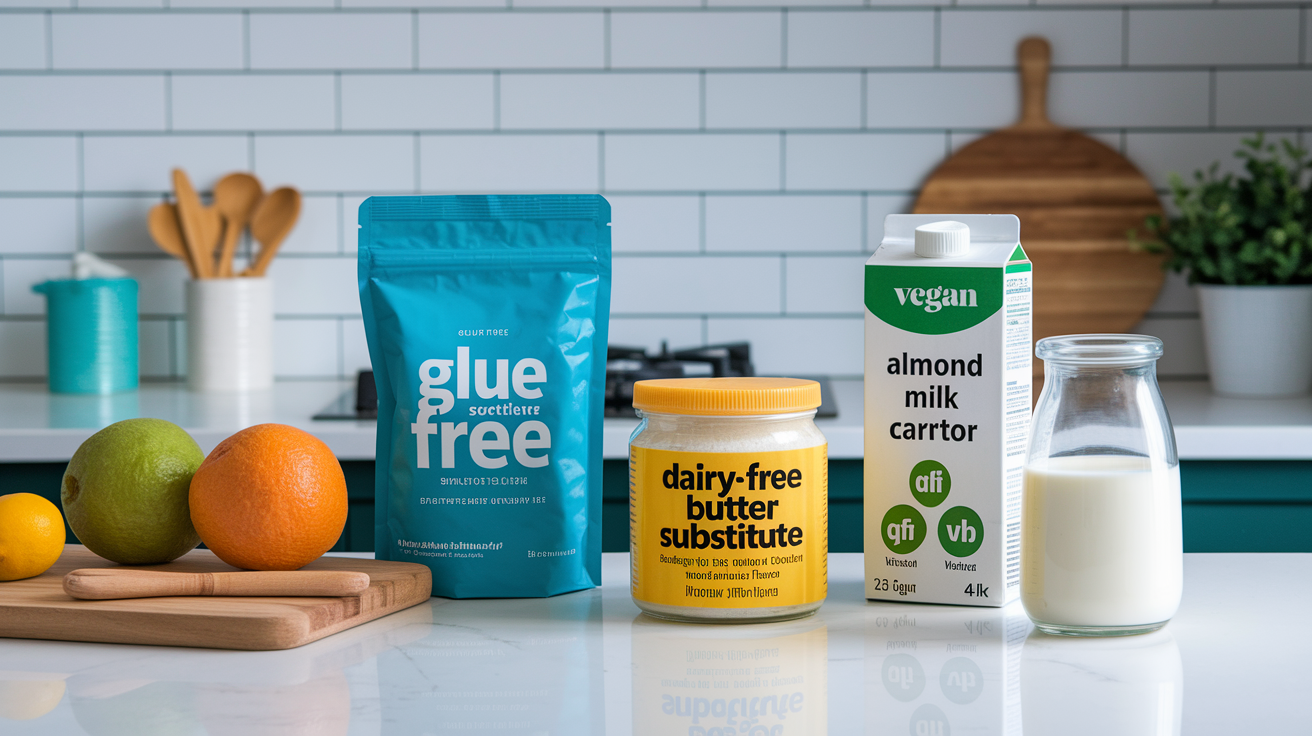
Microwave cobbler adapts easily to common dietary needs. Gluten-free, dairy-free, low-sugar, and vegan versions all work with simple swaps, though texture and sweetness will shift slightly.
Gluten-free cobbler uses a 1:1 gluten-free all-purpose baking blend in place of regular flour. Brands like Bob’s Red Mill, King Arthur, and Cup4Cup work well in both cake-style and crisp-style toppings. The texture stays tender and cake-like, though some blends produce a slightly grainier topping. Certified gluten-free oats are necessary if you’re making a crisp-style cobbler. Regular oats are often cross-contaminated.
Dairy-free versions replace butter with plant-based margarine or coconut oil (melted). Almond milk, oat milk, or canned coconut milk work in place of regular milk. People have reported success with Fairlife fat-free milk, half-and-half, and even eggnog during the holidays. Texture remains similar, though coconut oil can add a subtle tropical flavor.
Gluten-free: Substitute all-purpose flour 1:1 with a gluten-free blend. Use certified gluten-free oats.
Dairy-free: Use plant-based butter or coconut oil instead of butter. Swap milk for almond, oat, or coconut milk.
Vegan: Combine dairy-free butter and plant milk. Most microwave cobbler recipes are already egg-free, so no additional changes are needed.
Low-sugar or sugar-free: Replace brown sugar and granulated sugar with Truvia, Splenda, Swerve (erythritol), or monk fruit sweetener in equal amounts. The topping will be less sweet and may not caramelize, but it’ll still set properly. Fruit sweetness varies, so taste and adjust.
All substitutions work best when you keep the same volume and texture. Liquid sweeteners like honey or maple syrup will make the topping wet and require extra flour or oats to compensate.
Serving, Cooling, and Reheating Microwave Cobbler Mix
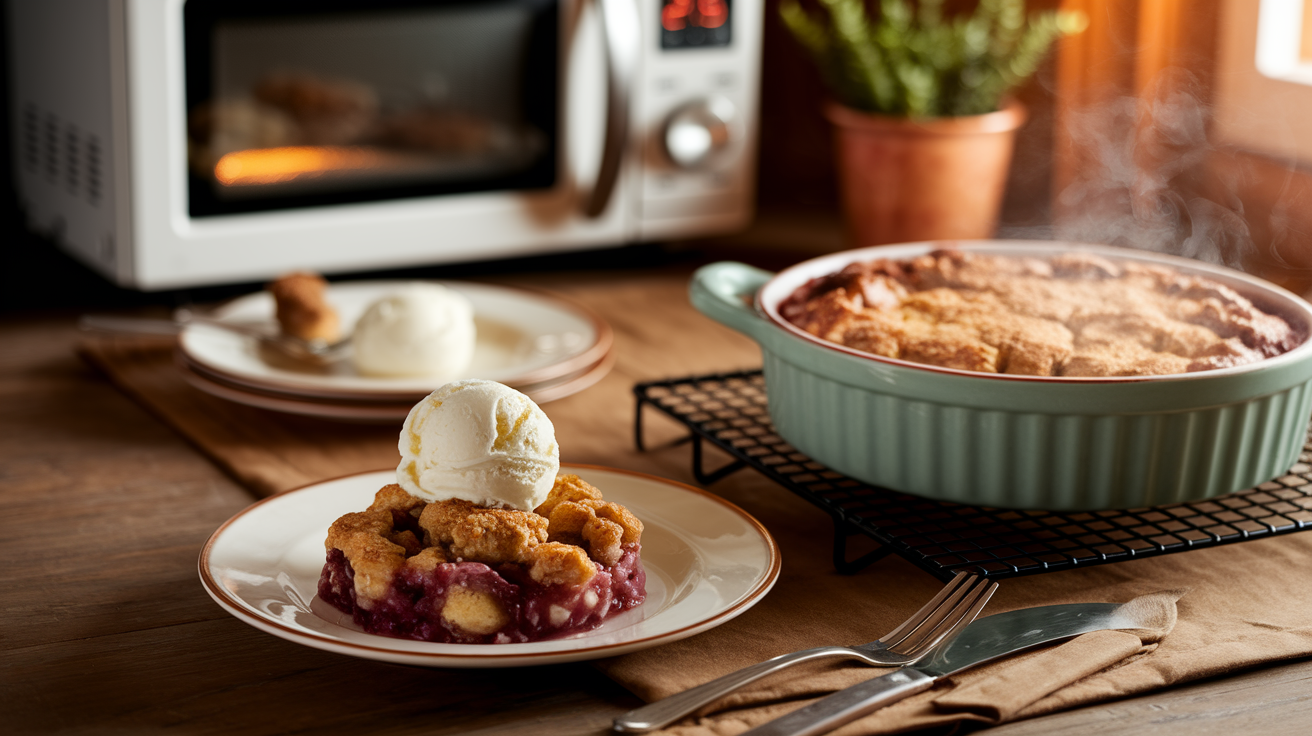
Microwave cobbler is best served warm, but it needs a short cooling period to avoid burns and to let the filling thicken. Single-serve cobblers in mugs or ramekins should rest for 1 to 2 minutes after microwaving. Full-batch cobblers in 8 x 8-inch dishes need 5 to 10 minutes. The dish and the fruit syrup inside will be extremely hot, even after resting. Use oven mitts to handle and warn anyone at the table.
The topping will firm up as it cools. What looks soft and cake-like right out of the microwave will develop a more crust-like texture after 5 minutes. If you prefer a truly crisp top, let it cool completely, then reheat briefly under the broiler or in a toaster oven. Serve with a large scoop of vanilla ice cream, a spoonful of whipped cream, or a drizzle of heavy cream. Some people pour a little milk over the topping, which soaks in and creates a bread-pudding effect.
Reheating single servings: Microwave on HIGH for 20 to 30 seconds. Stir gently and check temperature. Add another 10 to 20 seconds if needed.
Reheating full batches: Cover loosely with a microwave-safe lid or damp paper towel. Microwave on HIGH for 1 to 2 minutes, checking every 30 seconds. Stir the fruit layer gently to distribute heat.
Storing leftovers: Cover tightly and refrigerate for up to 3 days. The topping will soften in the fridge but will firm slightly when reheated.
Freezing is possible but not ideal. The topping can become mushy when thawed. If you do freeze, store in an airtight container for up to 1 month, thaw overnight in the fridge, and reheat in the microwave.
Final Words
Slide the bubbling dish onto a trivet when the edges are bubbling and the topping is set. You’ve followed the deep-dish, fruit-first, topping-second plan, picked the right container and wattage, and let it rest so the juices thicken. Single-serve or full batch, the cues are the same: soft fruit, bubbling edges, and a golden, set top.
Use the thickening tips, timing tweaks, and quick fixes to turn out steady results. These cobbler mix microwave instructions make warm, steamy scoops easy and crowd-ready.
FAQ
Q: Can I bake a cake mix in the microwave? How do you heat treat cake mix in the microwave?
A: Baking a cake mix in the microwave is possible; to heat-treat the dry mix, spread it thin on a microwave-safe plate and heat in short bursts, stirring, until it reaches 165°F.
Q: What are common cobbler mistakes?
A: Common cobbler mistakes are under- or overfilling fruit, skipping a thickener, using a non-microwave-safe dish, cooking at too high power, and not letting it rest so the filling sets.
Q: Can you heat up peach cobbler in the microwave?
A: You can heat up peach cobbler in the microwave by covering it loosely and warming in 20–30 second bursts on medium until hot, then let it rest 1–2 minutes to thicken the filling.