
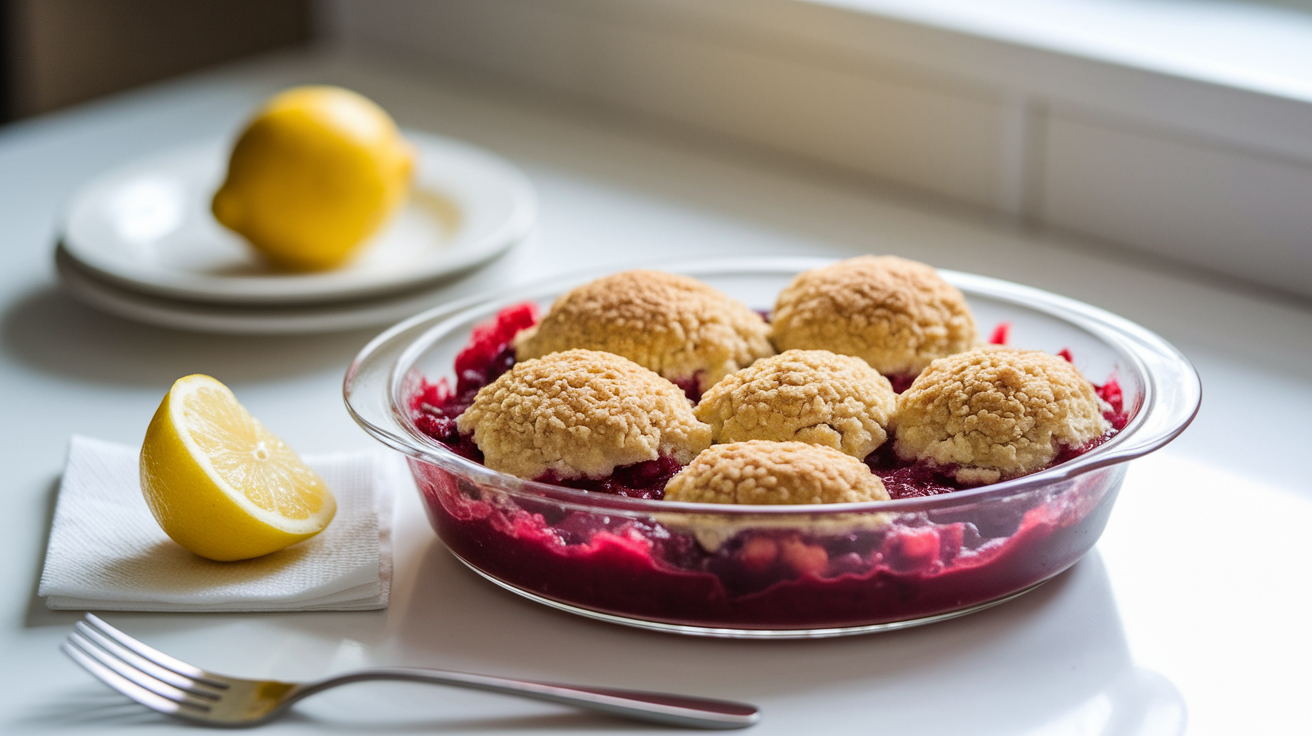
Is your fresh-from-the-oven cobbler tasting more like candy than fruit?
Don’t panic.
In this post you’ll find fast, kitchen-friendly fixes you can do in minutes to pull the sugar back and let the fruit shine.
Blotting off sticky syrup, a splash of lemon or vinegar, a tiny pinch of salt, folding in tart berries or unsweetened applesauce, or serving with plain yogurt or whipped cream all work.
No baking reboot needed.
Read on for the right amounts and simple tasting cues so you can save tonight’s dessert.
Immediate Fixes to Reduce Sweetness in a Finished Cobbler
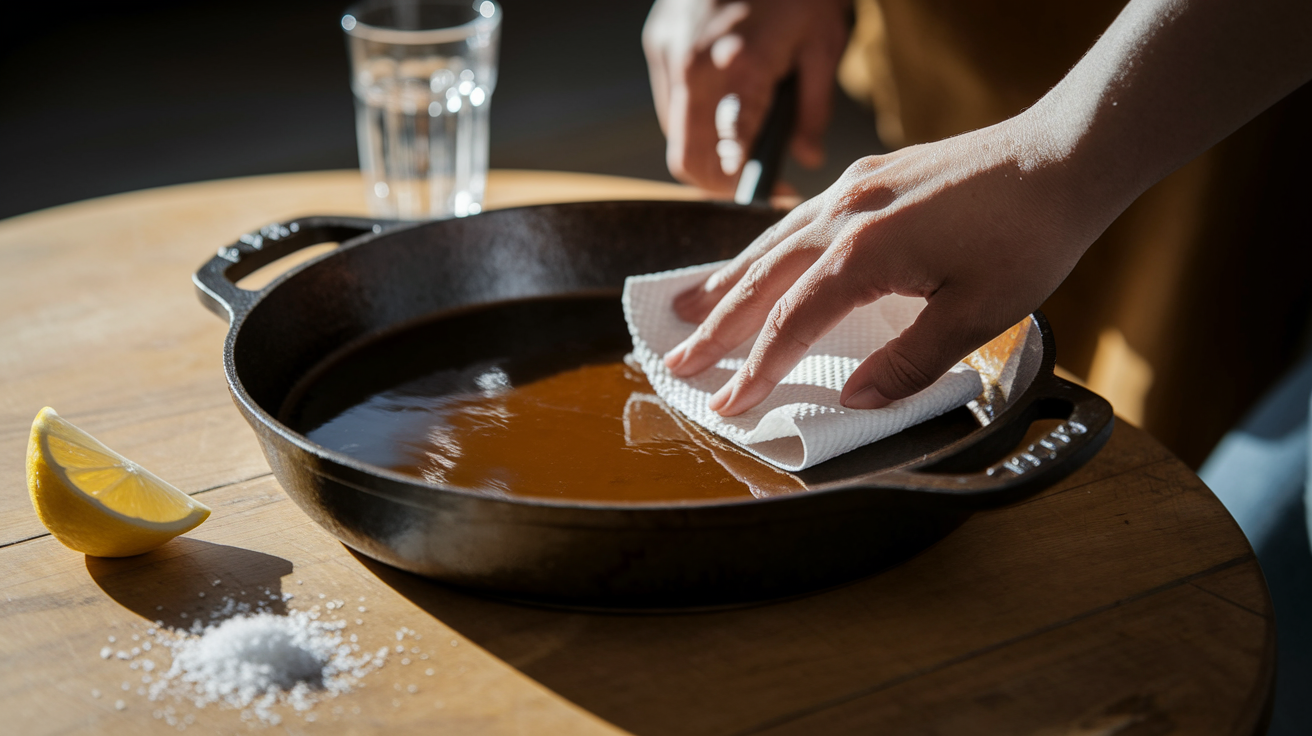
When you pull a cobbler from the oven and it tastes more like candy than fruit, you can act fast. First move is to blot or spoon off any pooled syrup from the surface. Grab a clean paper towel or folded square of kitchen paper and press it gently across the top, soaking up 1 to 2 tablespoons of that sticky liquid. You can also use a spoon to lift out excess syrup before plating.
Next, sprinkle a small pinch of fine sea salt across the whole pan. Salt cuts through sugar instantly and makes the fruit flavor pop back into focus.
Got a lemon in the fridge? Squeeze a tiny splash of juice over the filling and give it a gentle stir with a fork or spoon, working from the edge inward so you don’t wreck the topping. A dash of plain white vinegar works the same way, just use less. Another fast option is folding in a spoonful of unsweetened applesauce or a handful of tart fresh berries like raspberries or blackberries, mixing carefully so the topping stays mostly intact. These adjustments happen in less than five minutes and don’t require turning the oven back on.
- Blot the surface with a paper towel to remove 1 to 2 tablespoons of syrup per serving.
- Sprinkle a pinch of fine sea salt across the entire pan.
- Squeeze a teaspoon or two of fresh lemon juice over the filling and stir gently.
- Add a quick splash of white vinegar if you don’t have lemon, about 1/4 teaspoon at a time.
- Fold in a few tablespoons of unsweetened applesauce or a small handful of tart berries.
- Top each plated slice with a big dollop of plain Greek yogurt or unsweetened whipped cream before serving.
Go slow with every addition. Taste after each small change, because it’s easier to add a second pinch of salt or another squeeze of lemon than it is to undo a sour, oversalted mess. Make one adjustment, wait thirty seconds, taste again, then decide if you need more.
Using Acidity to Cut Sweetness in Cobbler Filling
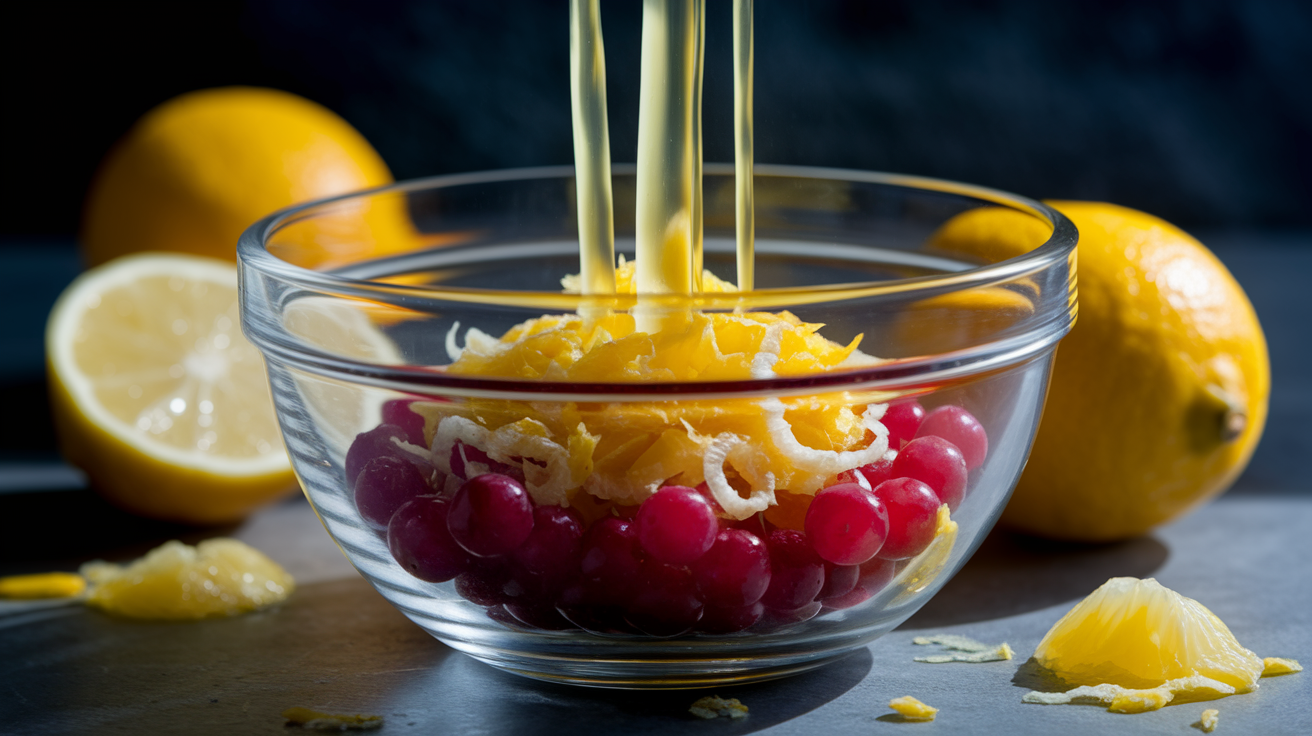
Acid is the single fastest way to reset a sugar heavy filling because it changes how your tongue reads sweetness. Sugar tastes flat and one note when it dominates, but a hit of acid wakes up the fruit flavor and makes the cobbler taste balanced instead of syrupy. Lemon juice is the most reliable choice because it’s bright, clean, and familiar, but apple cider vinegar, red wine vinegar, and even a few drops of balsamic work when you want a deeper, more complex tang. The trick is knowing how much to use and when to stir it in so you don’t thin out the filling or make the biscuit topping soggy.
For a typical 9 inch cobbler with about 4 cups of fruit filling, start with 1 teaspoon of fresh lemon juice per cup of filling. Taste after stirring it through. If the sweetness is still cloying, add another teaspoon per cup, working up to about 1 tablespoon total per cup if the sugar level is truly out of control. Using vinegar instead? Cut the amount in half. 1/4 to 1/2 teaspoon per cup is plenty because vinegar is sharper and more aggressive than citrus. Balsamic vinegar is a special case. It brings a slight sweetness of its own, so stick to about 1 teaspoon per cup and use it only with berries like strawberries where the jammy, winey note makes sense.
Add the acid to the fruit layer, not the topping, and fold it in with a spoon or silicone spatula, working from the center outward to avoid breaking up tender biscuit pieces that may have sunk into the filling.
Lemon juice: 1 teaspoon per cup of filling to start, up to 1 tablespoon per cup if needed.
Apple cider or red wine vinegar: 1/4 to 1/2 teaspoon per cup of filling, added slowly.
Balsamic vinegar: 1 teaspoon per cup for berry cobblers only. Skip it for stone fruit.
Balancing an Overly Sweet Cobbler with Salt and Savory Elements

A pinch of salt doesn’t make cobbler taste salty. Instead, it tricks your taste buds into noticing fruit flavor instead of just sugar. Salt heightens contrast, so sweet becomes sweeter and tart becomes brighter, but the overall effect is less one dimensional sweetness and more layered flavor. For a standard 9 inch cobbler, sprinkle about 1/8 to 1/4 teaspoon of fine sea salt or table salt across the top and let it sit for a minute before serving. The salt dissolves into the warm filling and topping, spreading the effect across every bite. Already plated individual servings? Add a tiny pinch to each portion instead of salting the whole pan.
Savory spices work the same way by redirecting your attention away from sugar. A small amount of warm cinnamon, about 1/8 to 1/4 teaspoon for a whole cobbler, adds a toasty, almost woody note that competes with sweetness and makes the cobbler taste more complex. Black pepper is an unexpected option that works especially well with peach, plum, or cherry cobbler. Use just 1/8 teaspoon of finely ground black pepper for the whole pan. The pepper doesn’t make the cobbler spicy, it just adds a tiny edge that keeps the sweetness from sitting flat on your tongue.
Both salt and spice adjustments are permanent, so start small, taste, and add more only if you need it.
Serving Additions That Make a Sweet Cobbler Taste Less Sweet
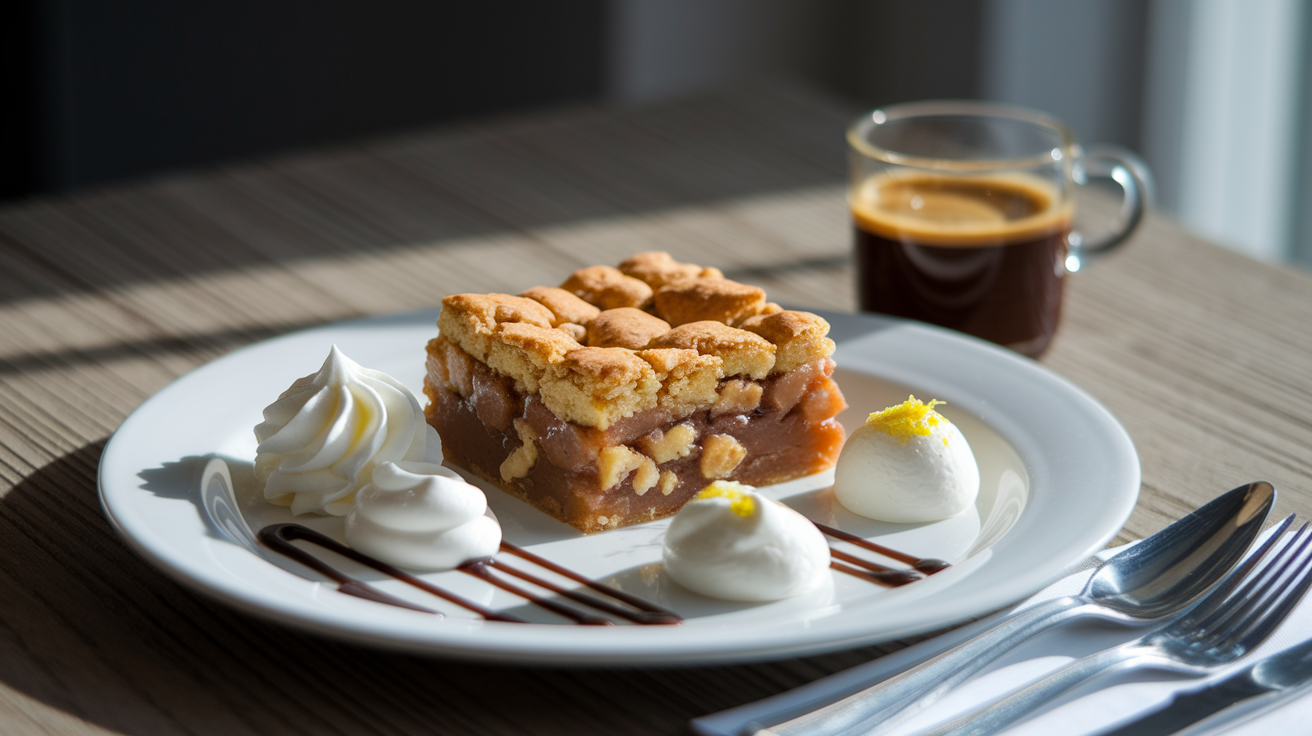
What you put on top of a too sweet cobbler changes how the whole dessert tastes. Unsweetened dairy, bitter drinks, and tangy toppings dilute the sugar hit and reset your palate between bites. Think of these additions as flavor buffers that spread the sweetness over a bigger canvas so no single spoonful overwhelms.
Whip 1 cup of heavy cream to soft peaks with no sugar added. This gives you 6 to 8 generous dollops, enough for a full cobbler. Add 1/2 teaspoon of vanilla extract if you want a hint of warmth, but skip the powdered sugar entirely. The plain whipped cream tastes rich and smooth, and the fat coats your mouth so the next bite of cobbler feels lighter.
Greek yogurt works even better for cutting sweetness because it brings tang along with creaminess. Serve 2 to 4 tablespoons per portion, spooned directly onto the warm fruit or dolloped on the side.
Unsweetened whipped cream: 1 cup heavy cream yields 6 to 8 servings. Add 1/2 teaspoon vanilla if desired.
Plain Greek yogurt: 2 to 4 tablespoons per serving, full fat for richness.
Mascarpone or ricotta: 1 tablespoon per serving, plain or mixed with 1/2 teaspoon lemon zest.
Strong coffee or espresso: 1 shot (1 ounce) espresso or 6 to 8 fluid ounces of brewed coffee per serving.
Dark chocolate shavings: 5 to 10 grams of 70% or higher cacao per portion.
Bitterness is the natural opposite of sweetness, so pairing cobbler with espresso or strong black coffee makes each bite taste less sugary. The coffee doesn’t change the cobbler itself, but it resets your taste buds so the fruit flavor comes through instead of just syrup. Dark chocolate works the same way. A few shavings of unsweetened or barely sweetened chocolate add a dry, slightly astringent note that balances the filling. Fat from dairy and bitterness from coffee or cocoa compete with sugar for attention on your palate, so the cobbler stops tasting like dessert soup and starts tasting like something you actually want to finish.
Diluting Excess Sweetness with Tart Fruits and Unsweetened Purees
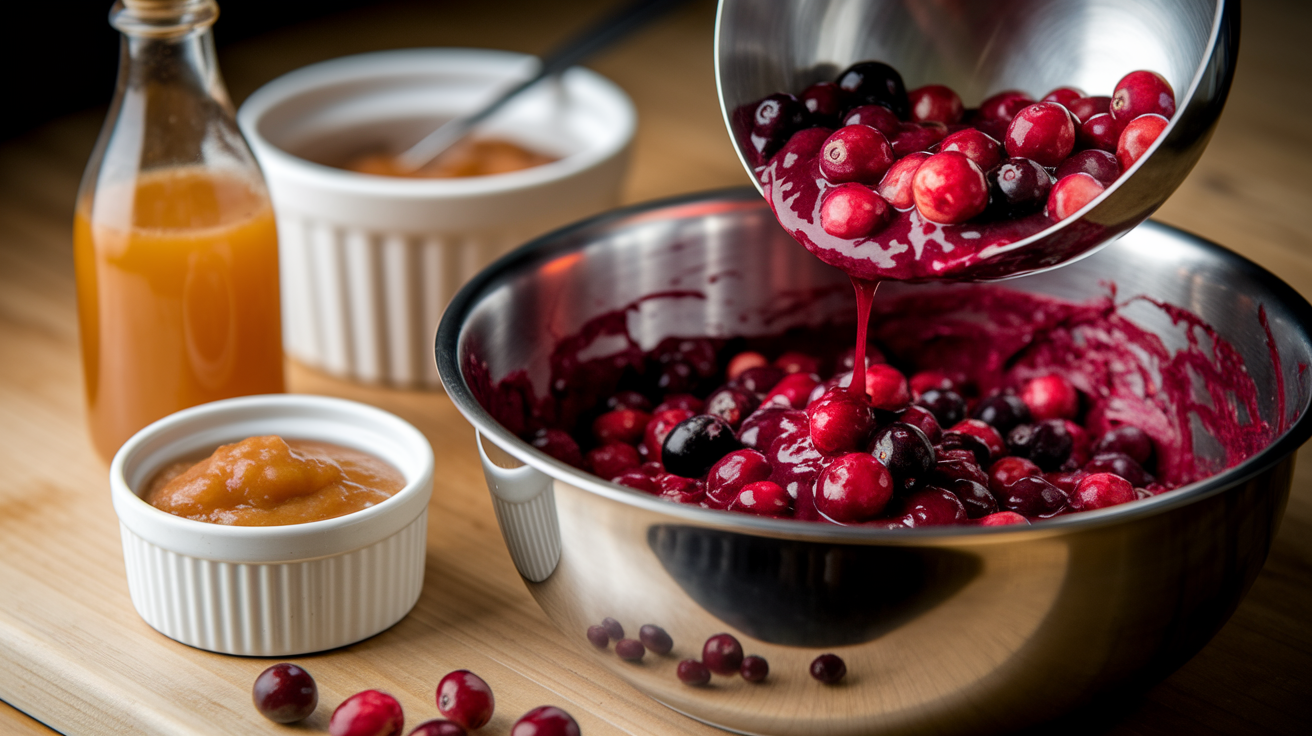
Adding more fruit or fruit puree is one of the few ways to reduce sweetness without making the cobbler taste sour or salty. Tart berries like raspberries, blackberries, or fresh cranberries bring their own acidity and very little natural sugar, so folding them into an overly sweet filling lowers the overall sugar concentration without thinning the texture too much. For a typical 4 cup filling, fold in 1 to 2 cups of fresh tart fruit, mixing gently so the berries stay mostly whole and the biscuit topping doesn’t turn to mush.
Already baked your cobbler and don’t want to stir it up? Spoon the tart fruit around the edges or between servings, letting each person get a mix of sweet and tart in one scoop.
Unsweetened fruit purees work faster because they blend into the filling without adding chunky texture. Applesauce is the easiest choice because it’s neutral, smooth, and almost always in the pantry. Use 1/2 to 1 cup of unsweetened applesauce per 2 cups of existing filling. Unsweetened cranberry puree or pureed tart apples cut sweetness even more aggressively because they add acid along with bulk. Working with a baked cobbler and don’t want to wreck the structure? Lift out 1 to 2 cups of the filling with a large spoon, transfer it to a bowl, mix in the puree or tart fruit, then spoon the adjusted filling back into the pan. Warm the whole thing at 325°F (160°C) for 8 to 12 minutes so the flavors meld and the filling sets again.
| Ingredient | Recommended Amount | Effect on Sweetness |
|---|---|---|
| Fresh tart berries (raspberries, blackberries, cranberries) | 1 to 2 cups per 4 cups filling | Adds tartness and texture; lowers sugar concentration without thinning |
| Unsweetened applesauce | 1/2 to 1 cup per 2 cups filling | Dilutes sweetness; blends smoothly; neutral flavor |
| Unsweetened cranberry or tart apple puree | 1/2 to 1 cup per 2 cups filling | Cuts sweetness sharply; adds bright acidity |
Fresh fruit changes texture along with flavor, so you get little pockets of tart contrast in every bite. Purees disappear into the filling, making the whole thing taste less sweet without changing the mouthfeel. Choose fruit if you want visible variety and choose puree if you want a smoother, more uniform fix.
Adjusting Syrup and Topping Texture to Reduce Sweetness
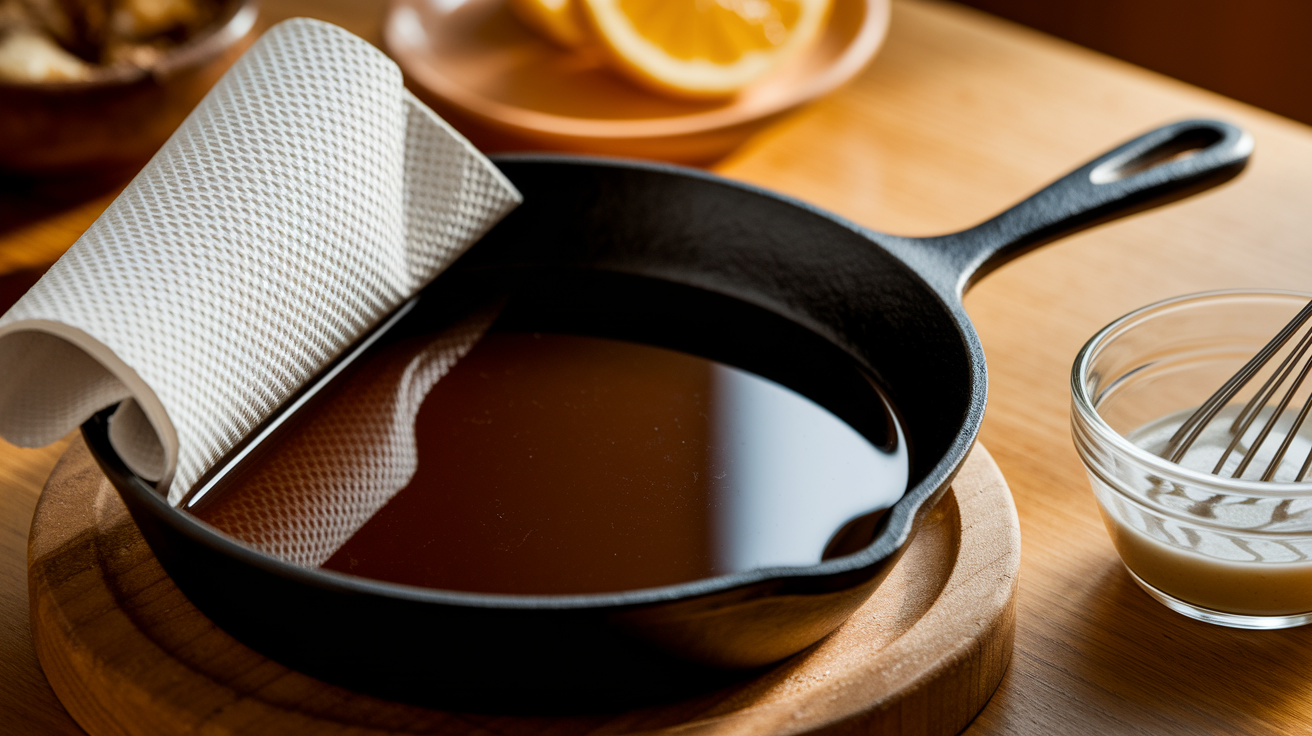
Thick, sticky syrup concentrates sweetness and coats your mouth, making every bite feel heavier and more cloying than it should. If your cobbler’s swimming in syrup, the fastest fix is to remove some of it before serving. Use a large spoon to lift out 1 to 2 tablespoons of syrup per serving, or tilt the pan slightly and blot the pooled liquid with a folded paper towel. This doesn’t change the sugar content of the fruit itself, but it stops the syrup from dominating the flavor and texture. You’re left with fruit that tastes sweet but not sticky, and a topping that stays crisp instead of turning into a soggy, sugar soaked sponge.
Willing to do a little more work? You can thicken the filling so the sweetness spreads out instead of pooling. Mix 1 to 2 tablespoons of cornstarch with a small splash of cold water to make a slurry, then stir it into the fruit filling and warm the cobbler at 325°F for 8 to 12 minutes. The cornstarch absorbs excess liquid and turns runny syrup into a thicker, jam like consistency that clings to the fruit instead of running everywhere. Thicker filling tastes less sweet per bite because you’re not getting a mouthful of concentrated sugar syrup with every spoonful.
If your topping has gone soft and syrupy, you can crisp it back up by reheating the cobbler uncovered at 375 to 400°F (190 to 205°C) for 5 to 12 minutes. The dry heat evaporates surface moisture and re crisps the biscuit layer, which shifts the texture balance so the topping feels buttery and light instead of heavy and sweet.
Using Bitter and Umami Elements to Tone Down Sweetness

Bitterness cuts through sugar by giving your taste buds something else to focus on. A light dusting of unsweetened cocoa powder across the top of a warm cobbler adds a dry, almost chalky bitterness that makes the fruit taste brighter and less candy like. Use 1 to 2 teaspoons of cocoa for a 9 inch cobbler, sifted evenly over the surface just before serving. The cocoa doesn’t make the cobbler taste like chocolate, it just adds a shadow of bitterness that pulls the sweetness back into balance.
Espresso works the same way but with more intensity. Brew a shot of espresso, let it cool slightly, then drizzle 1 to 2 teaspoons over the fruit layer or stir it directly into the filling. The coffee flavor is subtle, almost invisible, but the bitterness is strong enough to counteract heavy sugar.
Dark chocolate shavings are another option when you want bitterness with a little richness. Use a vegetable peeler or a sharp knife to shave thin curls from a bar of 70% or higher cacao chocolate, then scatter 5 to 10 grams over each serving. The chocolate melts slightly from the heat of the cobbler, creating little pockets of bitter, creamy contrast against the sweet fruit. Umami rich ingredients like a tiny pinch of soy sauce or a few grains of miso can also reduce perceived sweetness, but these are advanced moves best saved for cobblers with stone fruit or berries that can handle a savory edge. Start with cocoa or espresso first, because they’re familiar, reliable, and easy to control.
Unsweetened cocoa powder: 1 to 2 teaspoons sifted over the top before serving.
Espresso or strong brewed coffee: 1 to 2 teaspoons drizzled into the filling or served alongside.
Dark chocolate shavings: 5 to 10 grams of 70%+ cacao per portion, scattered on top.
When to Use Alcohol to Balance Sweetness (Optional Method)

Alcohol brings dryness and aromatic complexity that can pull a too sweet cobbler back toward balance. A small amount of bourbon, brandy, or dry white wine added to the fruit before baking cuts perceived sweetness by introducing tannins and volatile compounds that compete with sugar on your palate. If your cobbler’s already baked, you can still use alcohol as a post bake fix by macerating a handful of fresh tart fruit in 1 to 2 teaspoons of brandy or dry sherry for a few minutes, then folding the boozy fruit into the warm filling. The alcohol itself mostly evaporates when it hits the hot cobbler, but it leaves behind a faint dryness and a deeper, more grown up flavor that makes the dessert taste less like a sugar bomb.
Stick to small quantities. For a 4 cup filling, use no more than 1 teaspoon of spirits per cup of fruit, or about 1 to 2 tablespoons total for the whole cobbler. More than that and the alcohol flavor becomes obvious and unpleasant instead of subtle and balancing. Dry red wine works especially well with cherry or plum cobbler, while bourbon is a natural fit for peach. Using a liqueur like Grand Marnier or Amaretto? Remember that most liqueurs are already sweetened, so drain off any excess liquid after macerating and use only the fruit itself, not the syrup.
Preventing an Overly Sweet Cobbler Next Time

The easiest way to avoid an overly sweet cobbler is to cut the sugar before you bake. Most cobbler recipes call for 3/4 to 1 cup of sugar per 4 cups of fruit, which is too much if your fruit is ripe and naturally sweet. Reduce the added sugar by 25 to 33% as a starting point. If the recipe says 1 cup, use 2/3 to 3/4 cup instead. Recipe says 3/4 cup? Drop to 1/2 cup and taste the fruit after it macerates for 10 to 15 minutes.
Maceration pulls juice out of the fruit and dissolves the sugar, so you can see exactly how sweet the filling will be before it goes into the oven. If it tastes too tart, add sugar back in 1 to 2 tablespoon increments until it tastes right.
Thickening the filling properly also prevents excess syrup, which concentrates sweetness. Use 1 to 2 tablespoons of cornstarch per 4 cups of fruit to absorb juice and create a thick, spoonable filling instead of a runny, syrupy mess. Add 1 tablespoon of fresh lemon juice per 2 cups of fruit during the mixing stage to build brightness into the recipe from the start, so you don’t have to fix it later. If your recipe calls for sugar on the biscuit topping, cut that amount in half or skip it entirely. You can always sprinkle a little coarse sugar at the table if someone wants extra sweetness, but you can’t take it back once it’s baked in.
Taste your fruit first. Sweet, ripe peaches need far less sugar than tart, under ripe ones. Frozen fruit is often sweeter than fresh because freezing concentrates sugars, and canned fruit packed in syrup is already loaded with sugar before you add a single grain. Account for these differences by cutting your added sugar to the low end of the range, then adjusting up only if the macerated fruit tastes flat or sour.
- Taste the raw fruit before adding any sugar so you know its natural sweetness level.
- Mix the fruit with your reduced sugar amount (start at 1/2 cup per 4 cups fruit) and let it sit for 10 to 15 minutes.
- Taste the macerated fruit and juice, then add more sugar in 1 to 2 tablespoon increments if needed.
- Add 1 tablespoon of lemon juice per 2 cups of fruit during this stage to lock in brightness and reduce the need for extra sugar.
Final Words
If your cobbler came out too sweet, blot the syrup, add a splash of lemon or a pinch of salt, or serve with plain yogurt or strong coffee. Those are the quick moves we covered.
We also walked through using acidity, savory notes, tart fruit or unsweetened purees, texture fixes, bitter or boozy options, and simple steps to prevent it next time.
Use these simple fixes as you learn how to reduce sweetness in an overly sweet cobbler, adjust slowly, taste as you go, and serve warm with a steamy scoop.
FAQ
Q: How to fix too sweet dessert?
A: Fix a too-sweet dessert by adding acid (lemon or a splash of vinegar), a pinch of salt, unsweetened dairy like plain yogurt or cream, or blotting off excess syrup; adjust slowly to avoid overdoing it.
Q: What cancels out sweet flavor?
A: What cancels out sweet flavor is a mix of acid, salt, bitter or umami notes, and fat—acid brightens, salt reduces perceived sweetness, and bitterness or savory contrast tames sugar.
Q: How to balance sweetness in baking?
A: Balance sweetness in baking by tasting batters or macerated fruit, then add small amounts of acid, salt, or bitter elements and reduce added sugar next time; adjust gradually and retaste.
Q: How to cut sweetness in peach cobbler?
A: Cut sweetness in peach cobbler by blotting or draining excess syrup, stirring in a splash of lemon or vinegar, adding a pinch of salt, or serving with plain yogurt or unsweetened fruit.