
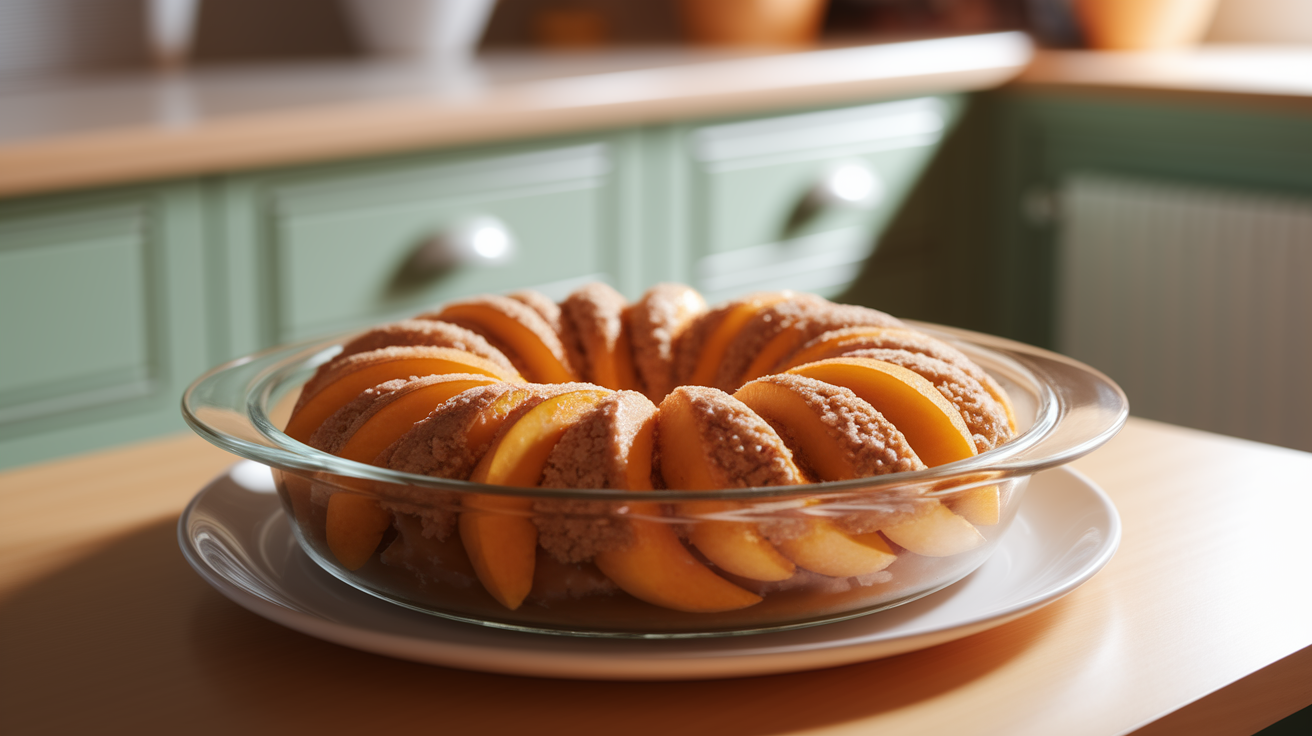
Think dessert is off-limits when you need to watch carbs?
This low sugar peach cobbler proves that’s not true.
It uses fresh peaches, almond or coconut flour, and a heat-stable sweetener like erythritol or monk fruit.
You’ll get jammy fruit under a buttery, golden topping in about an hour.
Portion control and a scoop of plain Greek yogurt or a few nuts make it friendlier for blood sugar.
Read on for the easy, step-by-step recipe and smart swaps that keep flavor big and carbs small.
Creating a Low-Sugar Peach Cobbler That Truly Supports Diabetic Needs
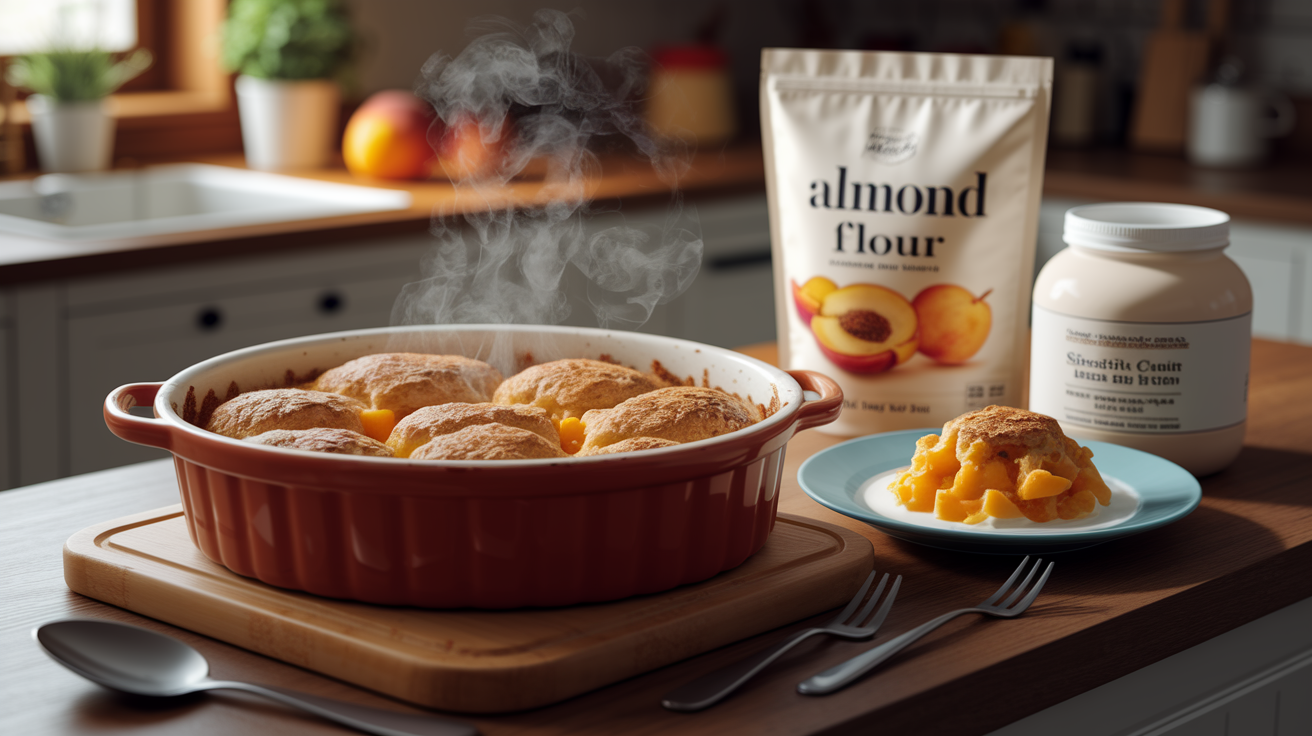
This recipe delivers a simple, diabetic-safe peach cobbler with fresh fruit, a low-carb batter, and no added sugar. You’ll use ripe peaches layered over a buttery topping made with almond or coconut flour, a non-glycemic sweetener, and whole milk or an unsweetened alternative. The entire process takes about an hour, and the result is a warm, bubbling dessert that fits into a diabetic meal plan when portioned thoughtfully.
The base calls for 6 medium fresh peaches, 1 cup almond flour, ½ cup butter, and 1 cup of a heat-stable granular sweetener such as erythritol or monk fruit. You’ll also add 1 cup of milk, a teaspoon each of baking powder and cinnamon, and a dash of nutmeg. The batter goes over melted butter, then the sliced peaches go on top, and the whole pan bakes at 375°F for 40 to 45 minutes. The batter rises around the fruit as it bakes, creating a golden, cake-like topping with sticky-sweet fruit underneath.
To keep the cobbler diabetic-friendly, you need to watch portion size, choose ingredients that don’t spike blood sugar, and pair your serving with protein or fat. A typical 1/10 slice contains around 19 to 20 grams of carbs when you use almond flour and a non-glycemic sweetener. Serve a smaller portion with a scoop of plain Greek yogurt or a handful of nuts to slow glucose absorption and make the dessert more satisfying.
Essential steps to keep this cobbler diabetic-friendly:
Use fresh or unsweetened frozen peaches. Never canned fruit in syrup. Replace all-purpose flour with almond flour or a coconut-flour blend to cut carbs dramatically. Choose erythritol, monk fruit, or allulose as your sweetener to avoid added glycemic carbs. Measure portions carefully and aim for 1/10 to 1/12 of the pan per serving. Bake until the filling bubbles in the center and the topping is golden with a few deeper brown spots. And serve with a small amount of protein or healthy fat to help stabilize your blood sugar response.
Ingredients for a Diabetic-Friendly Low Sugar Peach Cobbler

You need six medium ripe peaches, peeled and sliced into medium-thick pieces. Fresh fruit gives the best flavor and lets you control sugar content completely. If fresh peaches aren’t in season, use unsweetened frozen peaches without thawing them first. Avoid canned peaches packed in syrup or juice because the residual sugar stays even after you drain the liquid.
For the topping, use 1 cup almond flour instead of all-purpose flour to drop the carb count from around 95 grams per cup to about 10 grams. Add 1 cup of a granular, heat-stable sweetener such as erythritol or a monk fruit blend, divided so half goes into the batter and half gets sprinkled over the fruit. You’ll also need ½ cup real butter, 1 cup whole milk or unsweetened almond milk, 1 teaspoon baking powder, 1 teaspoon ground cinnamon, ½ teaspoon ground nutmeg, and 1 tablespoon fresh lemon juice to toss with the peaches.
Choose peaches that give slightly when you press them and smell sweet at the stem end. Hard peaches won’t soften enough during baking. Overripe fruit turns to mush.
Recommended substitute ingredients:
Unsweetened almond milk in place of whole milk to save about 10 grams of carbs per cup. Coconut flour at ¼ cup plus one extra egg if you want an even lower-carb topping, though texture will be denser. Allulose if you want a sweetener that browns and caramelizes like sugar. Butter with a pinch of added salt if you’re using unsalted butter. Or a mix of ¾ cup almond flour and ¼ cup coconut flour for a lighter, more biscuit-like top.
Step-by-Step Method for a Low-Sugar, Diabetic-Conscious Peach Cobbler

The secret to a cobbler that rises properly is layering the batter over melted butter without stirring, then adding the peaches on top. When you bake it, the batter climbs around the fruit and creates a golden crust. Mixing everything together before baking turns the dish into a thick cake instead of a proper cobbler with distinct fruit and topping layers.
Preheat your oven to 375°F and lightly spray a 9 x 13-inch baking dish with cooking spray. Place ½ cup butter in the prepared dish and set it in the oven while it preheats so the butter melts completely. Peel and slice 6 medium peaches into medium-thick slices, toss them with 1 tablespoon lemon juice, and set aside.
In a medium bowl, whisk together 1 cup almond flour, ½ cup of your chosen sweetener, 1 teaspoon baking powder, 1 teaspoon cinnamon, and ½ teaspoon nutmeg. Add 1 cup milk to the dry ingredients and stir just until combined, then carefully spoon the batter over the melted butter in the hot pan without stirring or mixing. Layer the peach slices evenly over the batter and sprinkle the remaining ½ cup sweetener over the top of the fruit.
Bake for 40 to 45 minutes, rotating the pan halfway through, until the filling bubbles in the center and the topping is golden with a few deeper brown spots. Test doneness by inserting a toothpick into the batter between peach slices. It should come out clean or with a few moist crumbs, not wet batter.
Understanding Carbs, Glycemic Load, and Portion Sizes in a Low Sugar Peach Cobbler

The carbohydrates in this cobbler come from three main sources: the peaches, the flour, and the milk. Six medium peaches contribute about 88 grams of carbs to the whole pan. One cup of almond flour adds roughly 10 to 12 grams, and 1 cup of whole milk adds another 12 grams. That brings the total available carbohydrate count to around 110 to 112 grams for the entire 9 x 13-inch pan when you use a non-glycemic sweetener.
If you use a granular sweetener such as erythritol or monk fruit, those carbs don’t raise blood sugar and are typically counted as zero net carbs for diabetic meal planning. If you choose allulose, it contains about 0.4 calories per gram and has a small glycemic effect for some people, so check your own response. Replacing whole milk with unsweetened almond milk drops another 10 grams of carbs from the total, bringing the entire pan down to about 100 grams of available carbs.
Portion size matters for blood sugar control. A smaller slice means fewer carbs per serving and a lower glycemic load. Pair your cobbler with plain Greek yogurt or a few almonds to add protein and fat, which slows digestion and helps prevent a sharp glucose spike after eating.
| Serving Size | Estimated Carbs (g) | Approx. Glycemic Load |
|---|---|---|
| 1/6 of pan | 18–19 | 10–14 |
| 1/8 of pan | 13–14 | 8–11 |
| 1/10 of pan | 10–11 | 6–9 |
| 1/12 of pan | 8–9 | 5–7 |
Comparing Sweeteners for a Low Sugar Peach Cobbler That Supports Diabetic Goals
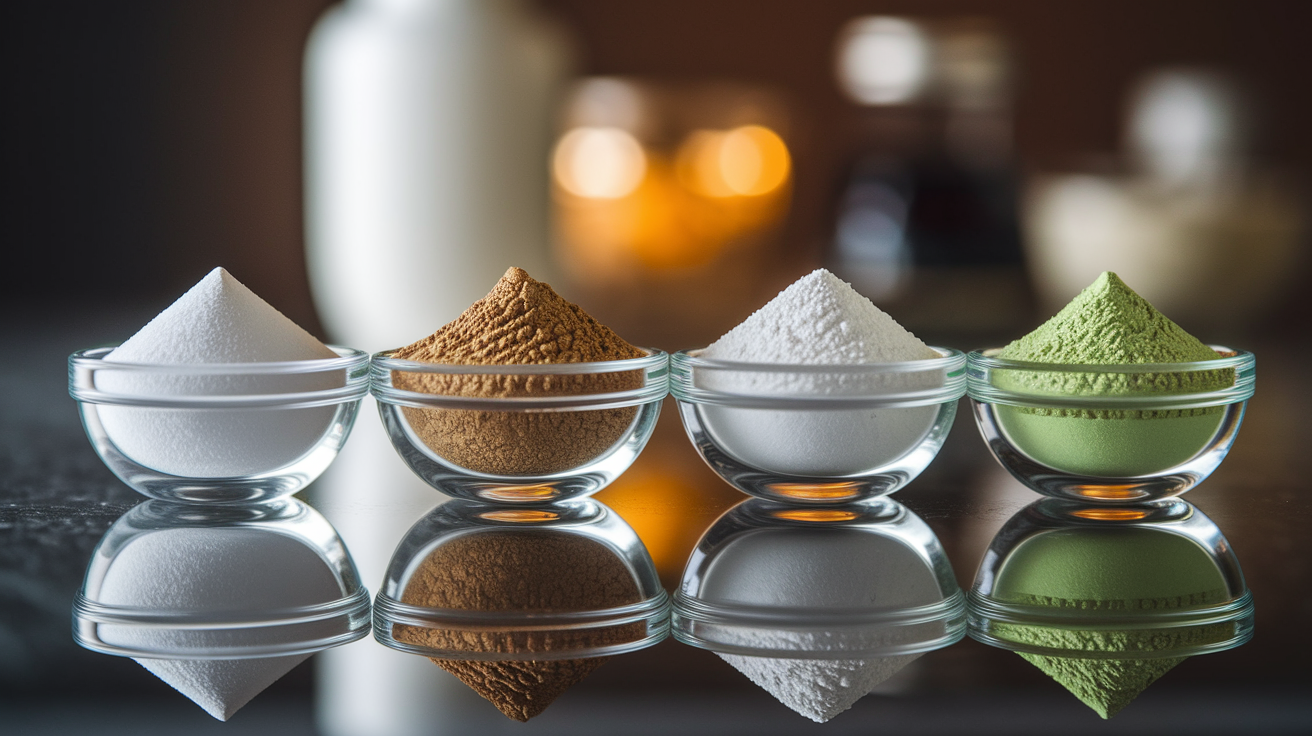
Sweeteners behave differently in baking. Some brown and caramelize, some stay pale, and a few leave a cooling aftertaste. You want a granular, heat-stable option that measures cup-for-cup like sugar and doesn’t spike your blood glucose. Erythritol and monk fruit blends are the most common choices for diabetic baking because they have zero net carbs and no glycemic impact for most people. Allulose is another option that browns beautifully and tastes very close to sugar, but it does contain a small amount of carbohydrate and calories, so factor that into your meal plan if you use it.
Stevia blends can work, but pure stevia is intensely sweet and often bitter. Look for a product that includes erythritol or another bulking agent to make measuring easier. Some people find that stevia leaves a slightly metallic aftertaste, especially in recipes with a lot of fruit. Test a small batch first if you’ve never baked with stevia before.
Four sweeteners with quick pros and cons:
Erythritol. Nearly zero net carbs, no glycemic impact, mild cooling aftertaste, doesn’t brown as well as sugar.
Monk fruit blend. Zero net carbs, no bitterness when blended with erythritol, measures like sugar, can be pricey.
Allulose. Browns and caramelizes like sugar, mild flavor, about 0.4 calories per gram, small glycemic effect for some individuals.
Stevia blend. Zero net carbs, very sweet so less needed, potential bitter or metallic aftertaste, works best in blends with erythritol.
Flour and Thickener Options for a Lower-Carb, Low Sugar Diabetic Cobbler

Almond flour is the easiest swap for all-purpose flour in this cobbler because it measures close to cup-for-cup and creates a tender, slightly dense topping. One cup of almond flour has about 10 to 12 grams of carbs compared to 95 grams in all-purpose flour, and it adds healthy fats and protein that help slow glucose absorption. The texture will be a bit more crumbly and moist than a traditional biscuit topping, but the flavor is rich and buttery.
Coconut flour absorbs much more liquid than any other flour, so you can’t substitute it one-to-one. If you want to use coconut flour, replace 1 cup of all-purpose flour with only ¼ cup coconut flour and add one or two extra eggs to bind the batter. The topping will be more cake-like and slightly drier. You can also use a combination of ¾ cup almond flour and ¼ cup coconut flour for a lighter texture that still keeps carbs low.
For thickening the fruit filling, skip cornstarch and use a pinch of xanthan gum or guar gum stirred into the peaches if your fruit is very juicy. A light sprinkle of oats on top adds a nice crunch, but oats do contain carbs. Use them sparingly or skip them entirely if you want the lowest possible carb count.
| Ingredient | Carb Impact | Notes |
|---|---|---|
| Almond flour (1 cup) | ~10–12 g | Moist, tender crumb; high in fat and protein |
| Coconut flour (¼ cup) | ~6–8 g | Very absorbent; needs extra eggs or liquid |
| Xanthan gum (¼ tsp) | ~0 g | Thickens fruit filling without adding carbs |
| Oat topping (2 tbsp) | ~10 g | Adds crunch but increases carbs; use sparingly |
Fruit Selection and Preparation Techniques for a Low-Sugar Diabetic Cobbler
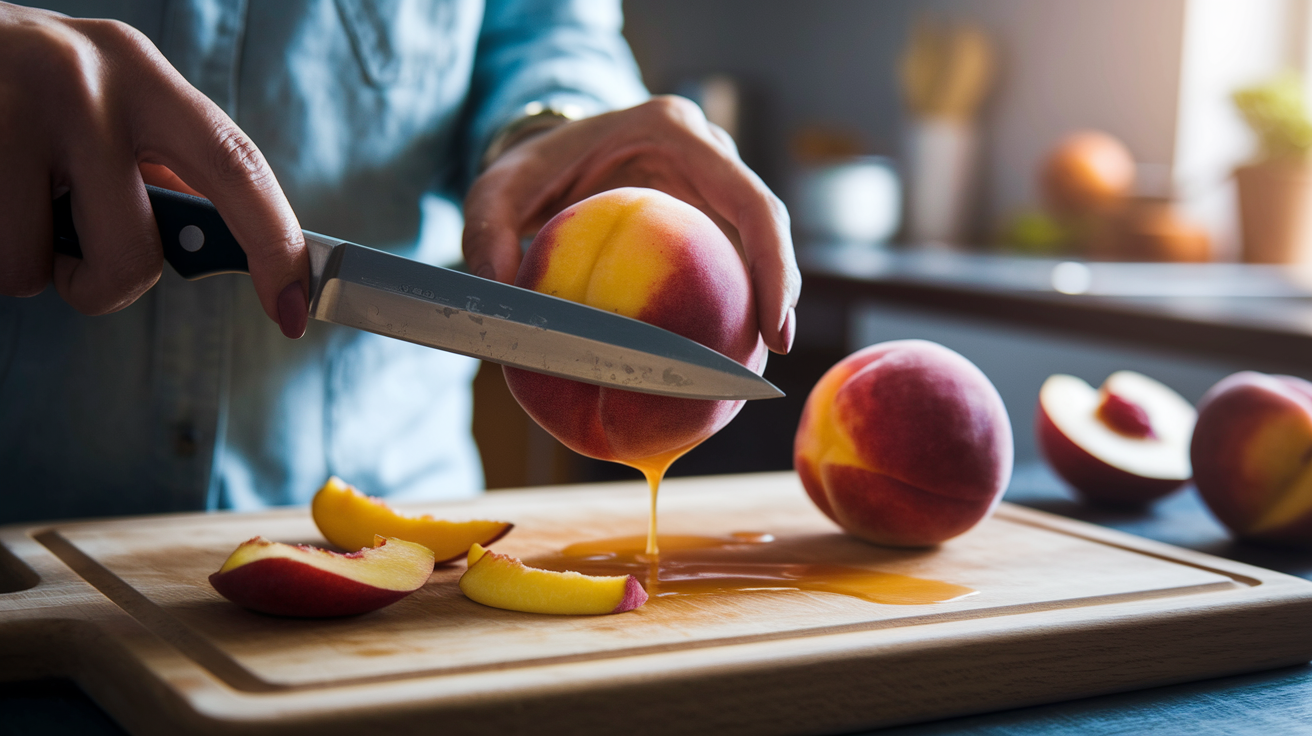
Fresh peaches are the best choice because you control exactly what goes into the cobbler. Choose freestone peaches that are ripe but still firm enough to slice cleanly. The skin should give slightly when you press it, and the fruit should smell sweet near the stem. Peel the peaches by scoring an X on the bottom, dropping them into boiling water for 30 seconds, then plunging them into ice water so the skins slip off easily. Slice each peach into six or eight wedges, depending on size, and toss the slices with 1 tablespoon of lemon juice to keep them from browning and to add a little brightness that balances the sweetness.
Frozen peaches work well when fresh fruit is out of season, but make sure you buy unsweetened frozen slices with no added sugar or syrup. Don’t thaw them before using. Just add a few extra minutes to the bake time because the cold fruit will slow down the initial heating.
Canned peaches packed in syrup or juice aren’t diabetic-friendly even if you drain them, because the fruit absorbs sugar from the liquid during processing. If canned is your only option, look for peaches packed in water with no added sugar, rinse them thoroughly, and pat them dry before adding them to the cobbler. Fresh and unsweetened frozen peaches give you the cleanest ingredient list and the best control over your carb count.
Serving and Storage Tips for a Low Sugar Diabetic Peach Cobbler

Let the cobbler cool for at least 15 minutes after it comes out of the oven so the filling thickens and the topping sets. Serve it warm or at room temperature with a scoop of sugar-free vanilla ice cream, a dollop of plain Greek yogurt, or a drizzle of unsweetened whipped cream. Pairing the dessert with a small amount of protein or fat helps slow glucose absorption and keeps your blood sugar more stable.
Store leftovers in an airtight container in the refrigerator for up to four days, and reheat individual portions in the microwave for 30 to 45 seconds or in a 300°F oven for 10 minutes.
Five storage and serving practices:
Cool completely before covering to prevent condensation from making the topping soggy. Refrigerate leftovers within two hours of baking to keep the fruit safe. Freeze individual portions wrapped tightly in plastic wrap and foil for up to two months. Reheat frozen slices directly from the freezer at 300°F for 15 to 20 minutes. Serve with 5 to 10 grams of protein such as Greek yogurt or a handful of almonds to help regulate your glucose response.
Final Words
Bake until the filling bubbles in the center and the topping is golden. That’s the diabetic-friendly formula you can trust. We covered the peach base, simple batter swaps, low-glycemic sweeteners, almond and coconut flour options, and clear carb and portion guidance.
Keep portions sensible, pair slices with protein, and avoid canned syrupy peaches. If it looks slightly loose when warm, let it rest.
This low sugar peach cobbler suitable for diabetics still feels like dessert, warm, jammy, and easy to share.
FAQ
Q: What are some low sugar desserts for diabetics?
A: Low-sugar desserts for diabetics include fresh or roasted fruit with cinnamon, Greek yogurt with nuts, sugar-free gelatin with berries, baked peaches with a low-carb crumb, low-sugar cobbler, and small portions of sugar-free ice cream.
Q: Can type 2 diabetics eat peaches?
A: Type 2 diabetics can eat peaches in moderation, choosing fresh or no-sugar-added frozen fruit, watching portions, and pairing with protein or fat to slow glucose; avoid canned peaches packed in syrup.
Q: Can you use honey instead of sugar in peach cobbler?
A: Using honey instead of sugar in peach cobbler raises the recipe’s carbs and can spike blood sugar more than many alternatives; if you use honey, reduce the amount and count the carbs or choose a non-glycemic sweetener.
Q: Are no sugar-added desserts good for diabetics?
A: No-sugar-added desserts are generally better for diabetics because they cut added sugars, but they still contain natural carbs; check ingredients, watch portion size, and serve with protein or healthy fat to steady blood sugar.