
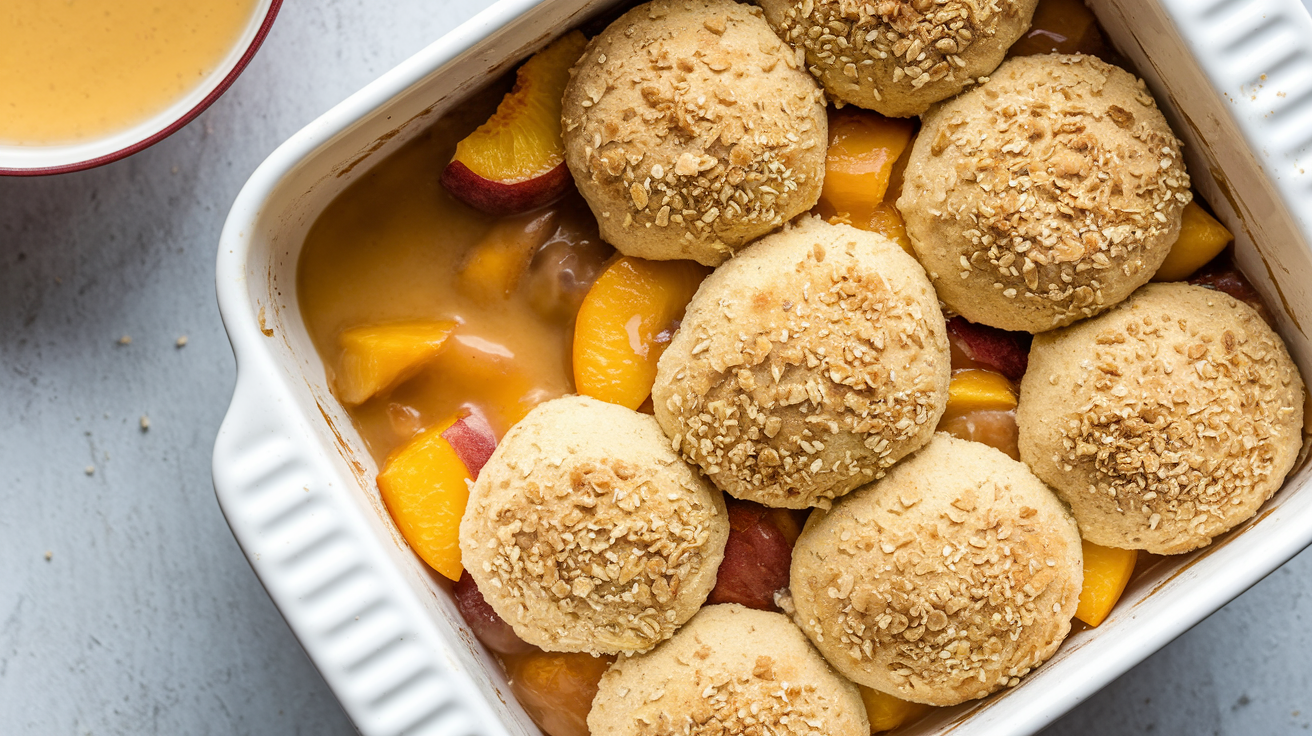
Think a peach cobbler needs butter and cream to hit home? Think again.
This Vegan Dairy Free Peach Cobbler with Coconut Milk Recipe swaps dairy for coconut milk so the topping turns tender and golden while the peaches go jammy and bright.
It’s an easy toss-and-bake: sliced peaches with a touch of flour and sugar, dollops of coconut-milk batter, then bake until bubbling and golden.
You’ll get the same warm, scoopable comfort—no dairy, no fuss, just a creamy, crowd-friendly dessert.
Complete Vegan Coconut Milk Peach Cobbler Recipe (Step-by-Step)
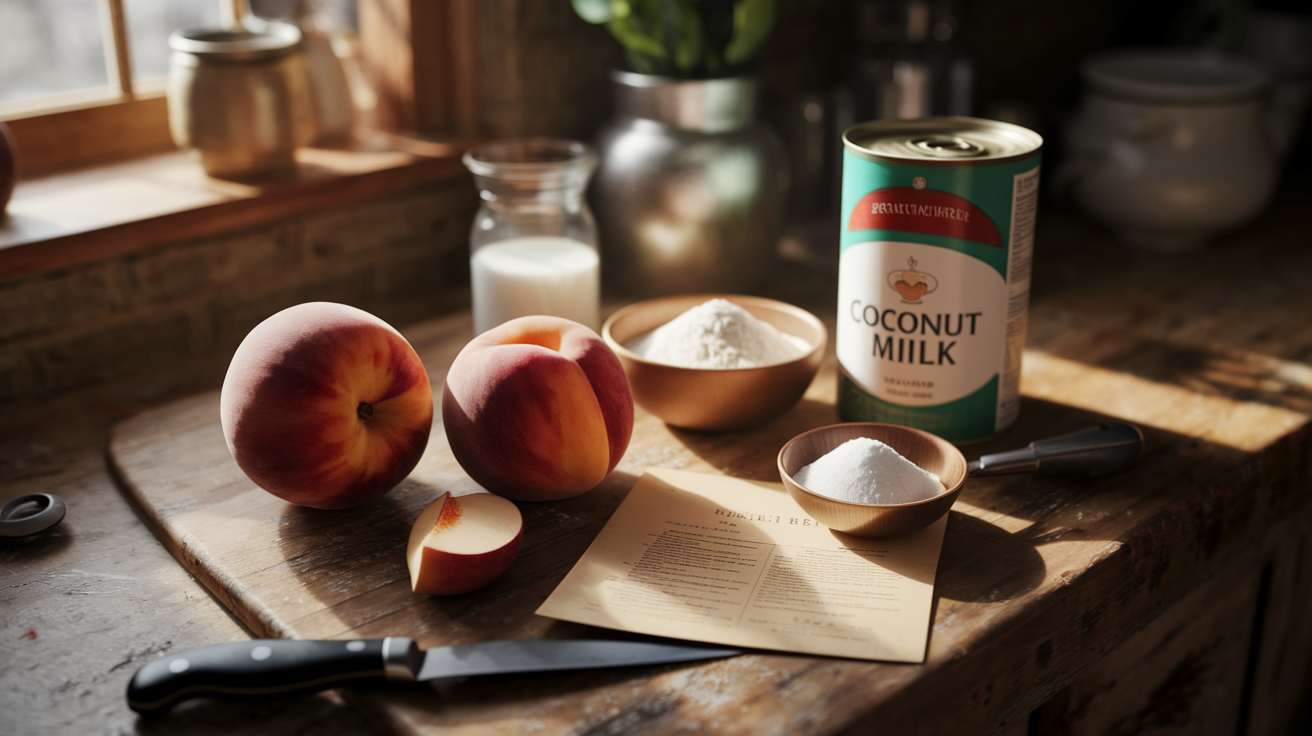
You’ll need 6 ripe peaches, 1⅓ cups all-purpose flour (divided), ⅔ cup granulated sugar (divided), ¾ cup coconut milk, ¼ cup neutral oil or melted vegan butter, 1½ teaspoons baking powder, 1 teaspoon ground cinnamon, and ½ teaspoon salt. The filling gets 2 tablespoons of that flour and ⅓ cup of the sugar tossed with sliced peaches and cinnamon. What’s left goes into the topping, creating something between biscuit dough and cake batter.
Bake this in a 9×13 pan if you’re feeding a crowd, an 8×8 for something smaller, or individual ramekins when you want single servings. Bake times shift a bit depending on the pan. The coconut milk brings a creamy richness that plays nicely with bright peach flavor without screaming “coconut.”
Preheat your oven to 375°F and grease whatever pan you’re using. Peeling peaches? Blanch them in boiling water for 30 to 60 seconds, then dunk them in cold water so the skins slide right off. Slice them up and toss with ⅓ cup sugar, 2 tablespoons flour, and 1 teaspoon cinnamon right in your greased pan. Spread everything evenly across the bottom.
Now for the topping. Whisk together what’s left of the flour, the remaining sugar, baking powder, and salt in a medium bowl. Pour in ¾ cup coconut milk and ¼ cup oil, then stir just until it comes together. Don’t overmix or you’ll end up with tough, dense topping instead of something tender and golden. The batter should look thick and shaggy, almost like soft cookie dough.
Here’s how to put it all together:
- Preheat oven to 375°F and grease your pan (9×13, 8×8, or ramekins).
- Blanch peaches 30–60 seconds in boiling water, then slip skins off in cold water.
- Slice peaches and toss with ⅓ cup sugar, 2 tablespoons flour, and 1 teaspoon cinnamon right in the pan.
- Spread that peach mixture evenly on the bottom.
- Whisk remaining flour (1⅓ cups), sugar (⅓ cup, or up to ¾ if you like it sweeter), 1½ teaspoons baking powder, and ½ teaspoon salt.
- Add ¾ cup coconut milk and ¼ cup oil or melted vegan butter. Stir just until combined.
- Dollop or spread batter over the peaches in a rustic layer. It doesn’t need to cover every inch.
- Bake 30–35 minutes for smaller pans, or 50–55 for larger, deeper dishes. You want bubbling in the center and a golden brown topping with some deeper brown spots.
- Let it rest 10–15 minutes so the juices thicken up.
- Serve warm with vegan vanilla ice cream, coconut whipped cream, or nothing at all.
You’ll know it’s done when you see peach juices bubbling through the edges and center, and the topping’s turned golden with some caramelized patches. Give it that rest time or the filling will be soupy when you scoop.
Ingredient Notes for a Coconut Milk–Based Vegan Peach Cobbler
Use ¾ cup coconut milk for the topping. It adds body and gentle creaminess that almond or oat milk can’t quite match. Full-fat canned coconut milk gives you the richest texture, but refrigerated coconut milk beverage (the kind next to almond milk) also works and tastes lighter. Both create a tender topping that browns beautifully.
The vegan butter or neutral oil (¼ cup melted) keeps the batter moist and helps with browning. If you’re using vegan butter, pick a brand that actually tastes good on its own. Some taste waxy or chemical, and that flavor sticks around. Coconut oil works if you want to double down on coconut flavor, though it’ll be stronger than neutral oil or vegan butter.
For the 1⅓ cups flour, regular all-purpose is perfect. Need gluten-free? Grab a 1:1 gluten-free flour blend. Not almond meal, which makes the topping gritty and wet. The sugar splits between filling and topping, so you’ll use about ⅓ cup with the peaches and the rest in the batter. Some recipes push the topping sugar to ¾ cup if you like sweet desserts, but ⅓ keeps the peach flavor up front.
Here’s how different coconut milk options perform:
- Full-fat canned coconut milk: Thick, rich, creates the most tender topping with subtle coconut flavor. Best choice for creamy texture.
- Light canned coconut milk: Thinner, less fat, still works but topping will be slightly less rich and might brown faster.
- Refrigerated coconut milk beverage: Light coconut flavor, pours like regular milk, good if you don’t want heavy coconut taste.
- Almond or oat milk: Works in a pinch but lacks the body coconut milk brings. Topping might turn out drier.
- Soy milk: Neutral flavor, decent body, fine if you can’t do coconut, though texture will be slightly less creamy.
Pick the coconut milk that matches how much coconut flavor you want. Full-fat canned gives you the most, beverage-style gives you just a hint.
Fresh, Frozen, or Canned Peaches in a Dairy-Free Cobbler
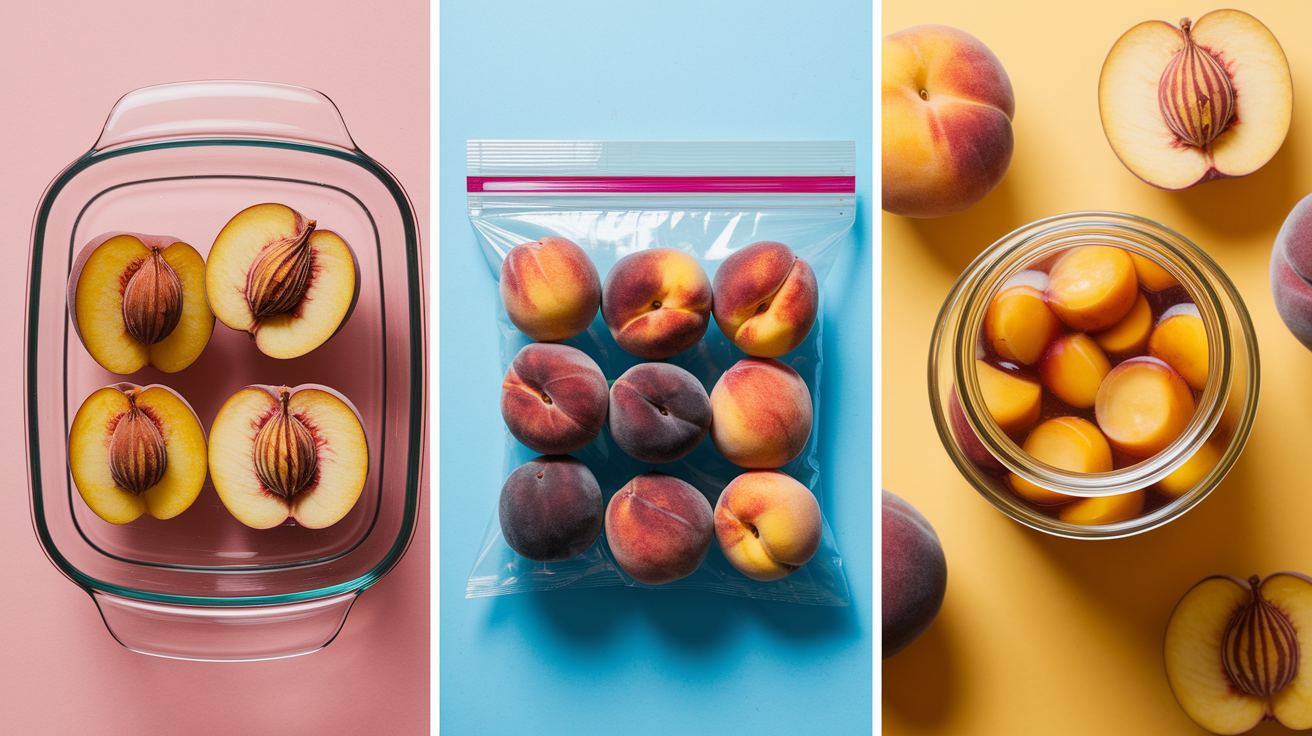
Fresh ripe peaches are best when they’re in season. You get great flavor and texture with no extra work beyond slicing. Frozen peaches work just as well and skip the peeling step entirely. Don’t thaw them first. Toss the frozen slices straight into the pan with sugar, flour, and cinnamon, then keep going. You might need 5 extra minutes on the bake if the fruit’s still icy, but the filling will thicken and bubble the same way.
Canned peaches aren’t great because they come packed in syrup and tend to be too soft and too sweet. If canned is all you’ve got, drain them really well, skip the extra sugar in the filling, and expect a softer, less structured result. Nectarines, plums, apricots, or a mix of stone fruits all substitute beautifully. Just keep the total volume around 6 cups sliced fruit.
| Option | Prep Needed | Pros | Cons |
|---|---|---|---|
| Fresh peaches | Peel (optional), pit, slice | Best flavor, firm texture, clean sweetness | Seasonal, peeling takes time |
| Frozen peaches | None—use straight from freezer | Year-round availability, no peeling, affordable | Slightly softer texture, may add 5 min bake time |
| Canned peaches | Drain very well, reduce sugar | Convenient, shelf-stable | Too soft, overly sweet, syrup can make filling runny |
| Nectarines | Pit, slice—no peeling needed | Similar flavor, easier prep, firm texture | Slightly more tart than peaches |
Making the Peach Filling With Coconut Milk Compatibility in Mind
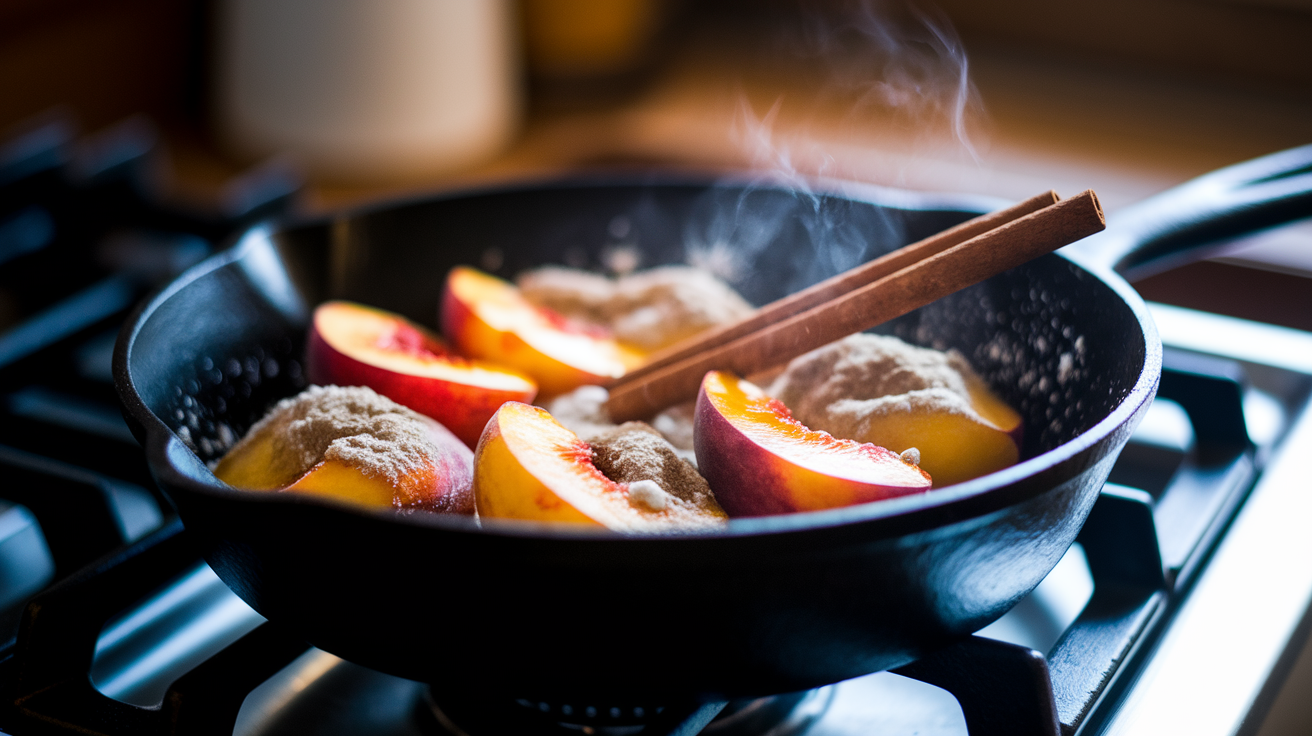
The filling gets its structure from 2 tablespoons of flour or cornstarch tossed with sliced peaches, ⅓ cup sugar, and 1 teaspoon cinnamon. That small amount of starch thickens the peach juices as they bubble without turning the filling gummy or pasty. The coconut milk stays in the topping batter, not the filling, so the fruit layer stays clean and jammy instead of creamy.
Cinnamon’s optional but recommended. It adds warmth without covering up the peach flavor. Want something more? Add ¼ teaspoon nutmeg or a pinch of cardamom. Toss the peaches gently so every slice gets coated with sugar and starch, then spread them in an even layer in your greased pan. The fruit releases juice as it bakes, and that juice mixes with the sugar and starch to create a thick, syrupy base that soaks into the topping.
Common mistakes that mess up the filling:
- Using too much liquid sweetener like maple syrup instead of granulated sugar. Liquid adds moisture the starch can’t handle.
- Skipping the flour or cornstarch. The juices stay thin and pool under the topping.
- Adding coconut milk directly to the filling. It dilutes the peach flavor and makes the texture soupy.
- Overfilling the pan so juices have nowhere to bubble. Use a dish with at least 1 inch of headroom.
- Not letting the cobbler rest after baking. The filling needs 10–15 minutes to set or it’ll be runny when you scoop.
Vegan Coconut Milk Cobbler Topping (Biscuit-Style)
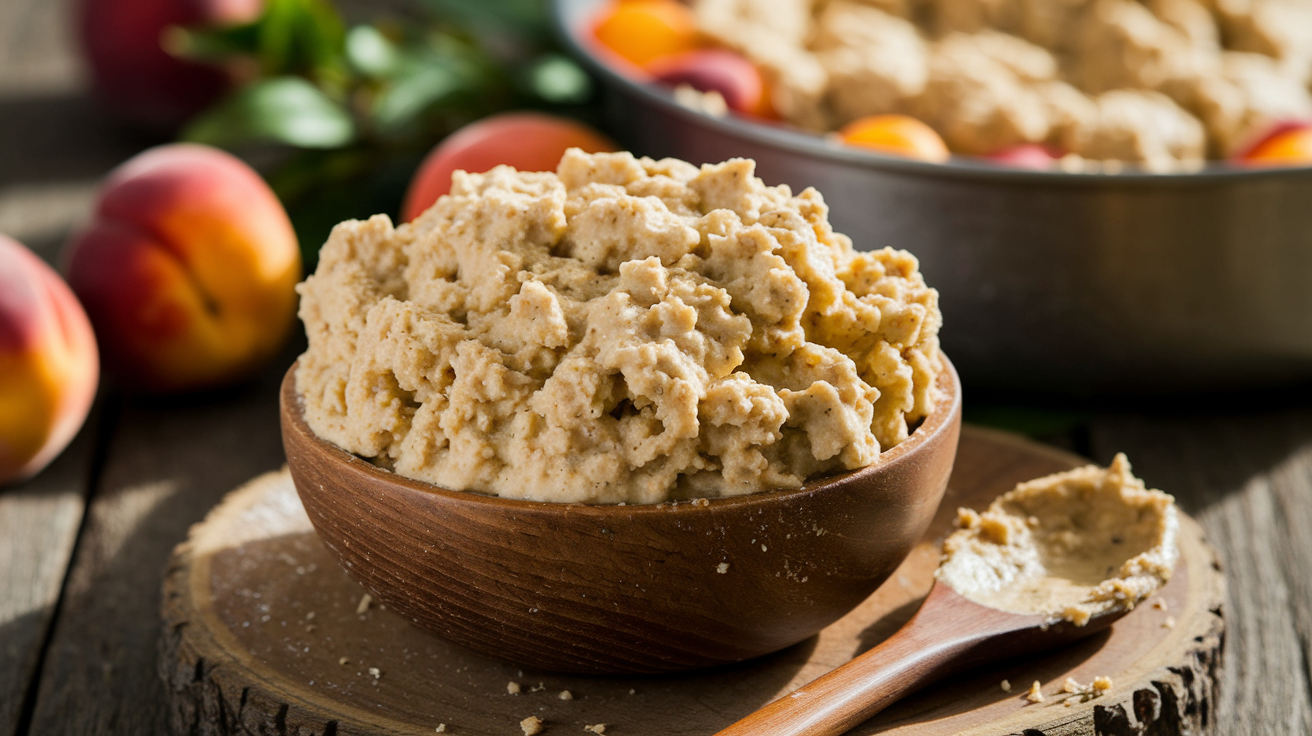
The topping batter uses 1⅓ cups flour, ⅓ to ¾ cup sugar depending on how sweet you want it, 1½ teaspoons baking powder, ½ teaspoon salt, ¾ cup coconut milk, and ¼ cup oil or melted vegan butter. Whisk the dry stuff first so the leavening spreads evenly, then pour in the wet ingredients and stir just until it comes together. Don’t beat it smooth. Lumps are fine, and overmixing develops too much gluten, which makes the topping tough and chewy instead of tender and fluffy.
The batter should look thick and shaggy, almost like soft cookie dough or thick pancake batter. It won’t pour smoothly, and that’s exactly right. Dollop it over the peaches in rough spoonfuls or spread it gently with the back of a spoon. You don’t need to cover every inch of fruit. Gaps are fine and actually help the peach juices bubble up through the topping as it bakes. Some recipes spread the batter edge to edge, others leave it rustic with patches of fruit showing. Both work.
As the cobbler bakes, the topping puffs and spreads, the coconut milk helps it brown to a golden color, and the edges that touch the pan caramelize into crispy, slightly sweet corners. The center stays soft and cakey, while the edges turn biscuit-like. That contrast between gooey center and crisp edges is what makes cobbler topping so good. Let the oven do the work. Resist the urge to stir or press the batter down once it’s in the pan.
Baking Temperatures, Pan Sizes, and Doneness for Coconut Milk Cobblers
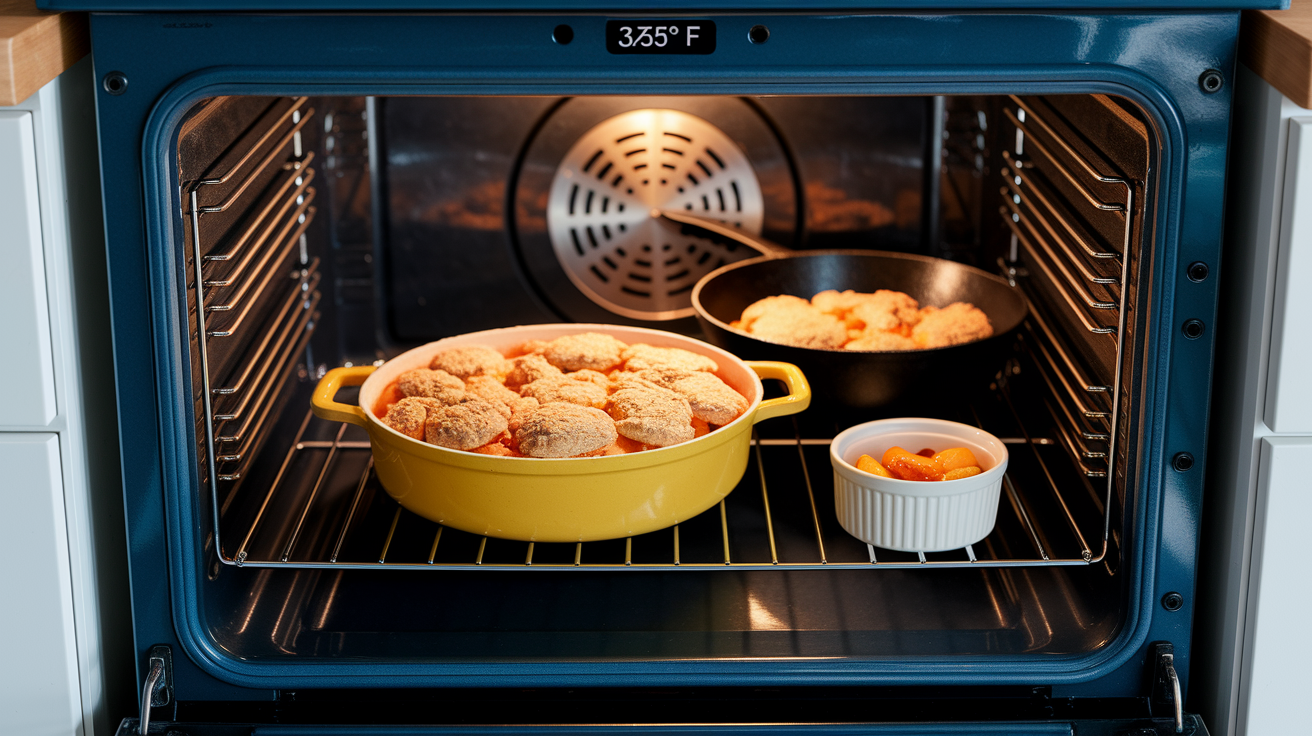
Bake your cobbler at 375°F for 30–35 minutes in an 8×8 pan or individual ramekins. Larger pans like a 9×13 or deeper casserole dishes may need 45–55 minutes because the batter layer’s thicker and the fruit mass holds more moisture. Start checking at 30 minutes. If the topping’s pale and the filling’s quiet, give it more time.
You can also bake this in a cast-iron skillet for rustic presentation, or on a sheet pan if you double the recipe for a crowd. Ramekins bake fastest, usually 25–30 minutes, and give everyone their own crisp-edged serving. Whatever pan you choose, make sure it’s got at least 1 inch of headroom so bubbling juices don’t spill over.
Here are five clear signs your vegan coconut milk peach cobbler’s done:
- The filling’s bubbling in the center, not just around the edges. Look for thick, syrupy juices breaking through the topping.
- The topping’s turned golden brown with a few deeper caramelized spots, especially where it meets the pan.
- A toothpick inserted into the topping (not the fruit) comes out clean or with just a few moist crumbs.
- The edges of the topping have pulled slightly away from the pan and look crisp and set.
- The whole kitchen smells like caramelized peaches and warm cinnamon. If you can smell it strongly, it’s close.
Let the cobbler rest on the counter for 10–15 minutes before serving. The filling will thicken as it cools slightly, and you’ll get cleaner scoops instead of a puddle of juice.
Substitutions and Variations for a Vegan Coconut Milk Peach Cobbler
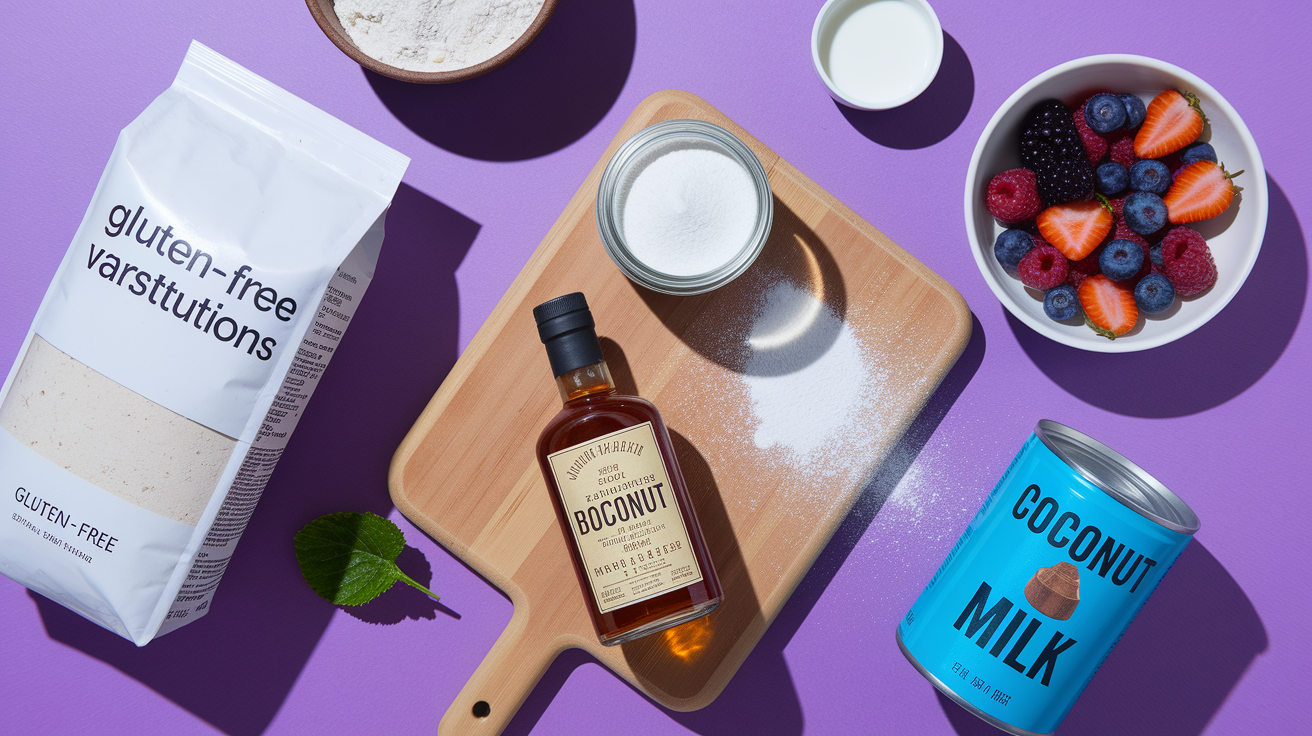
Swap the all-purpose flour for a 1:1 gluten-free flour blend if you need gluten-free. Brands like Bob’s Red Mill or King Arthur work well. Don’t use almond meal or single-grain flours like rice flour alone, because the texture will turn gritty or gummy. Coconut sugar can replace granulated sugar in both the filling and the topping, though it’ll add a slight molasses flavor and darken the color. Don’t substitute maple syrup or other liquid sweeteners for the granulated sugar. The extra moisture will make the topping soggy and the filling runny.
If you want to swap the coconut milk, almond milk, oat milk, or soy milk all work, but the topping will be slightly less rich and creamy. For fruit variations, try mixing in 2 cups fresh or frozen berries (raspberries, blueberries, blackberries), pitted cherries, sliced nectarines, plums, or apricots. Keep the total fruit volume around 6 cups so the filling-to-topping ratio stays balanced.
For a boozy special-occasion version, sprinkle 1 tablespoon cornstarch over the peaches with the sugar, then pour ¼ cup bourbon over the fruit along with the melted vegan butter before adding the topping. The cornstarch handles the extra liquid, and the bourbon adds a warm, caramel note that pairs beautifully with peaches and coconut.
Gluten-Free Cobbler Variation
Use a 1:1 gluten-free all-purpose flour blend in place of regular flour. Measure it the same way and don’t add extra. The topping will be slightly more tender and a bit more crumbly than the wheat version, but it’ll still brown nicely and hold together. Avoid adding xanthan gum if your blend already includes it, and expect the batter to look a little thicker. If it seems too dry, add 1 tablespoon extra coconut milk. The bake time stays the same, but check the topping color closely because gluten-free batters can brown faster.
Serving a Warm Vegan Peach Cobbler With Coconut Milk Richness
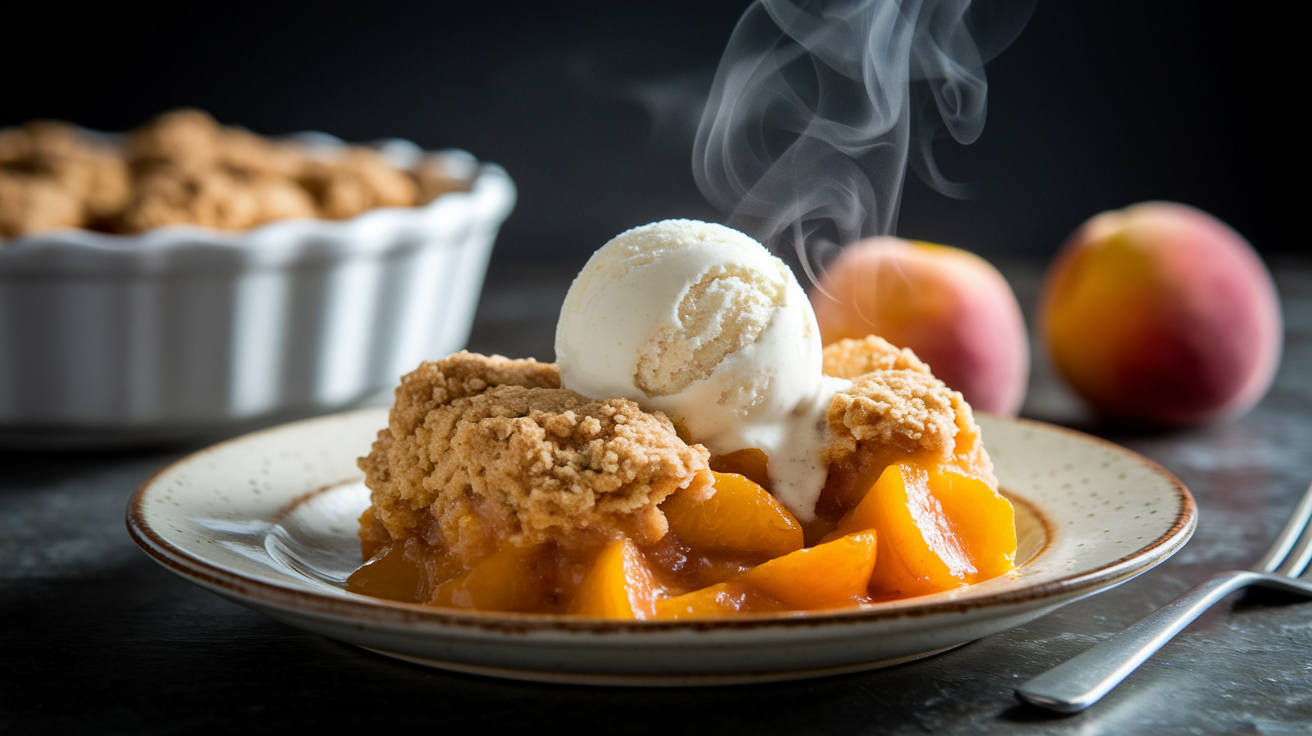
Serve this cobbler warm, about 15 minutes after it comes out of the oven, so the juices have thickened but the fruit’s still steamy and the topping’s soft in the center with crisp, caramelized edges. The coconut milk in the topping adds subtle creaminess that makes each bite feel rich without being heavy, and it pairs perfectly with cold vegan vanilla ice cream melting into the warm fruit.
The best part’s the contrast. Jammy peaches with a hint of cinnamon, a tender golden topping that’s part biscuit and part cake, and those crispy, almost burnt-sugar edges where the batter meets the pan. A scoop of coconut-based vanilla ice cream doubles down on the coconut flavor, or you can go neutral with almond or oat-based ice cream. Coconut whipped cream’s another easy topping, especially if you chill a can of full-fat coconut milk overnight and whip the thick cream that rises to the top.
Simple topping options that make cobbler night feel special:
- Vegan vanilla ice cream (coconut, almond, cashew, or oat-based)
- Coconut whipped cream (homemade from chilled canned coconut cream or store-bought)
- Plain unsweetened coconut yogurt with a drizzle of maple syrup
- A light dusting of powdered sugar for a simple, bakery-style finish
Storing, Reheating, and Make-Ahead Tips for Dairy-Free Coconut Milk Cobbler
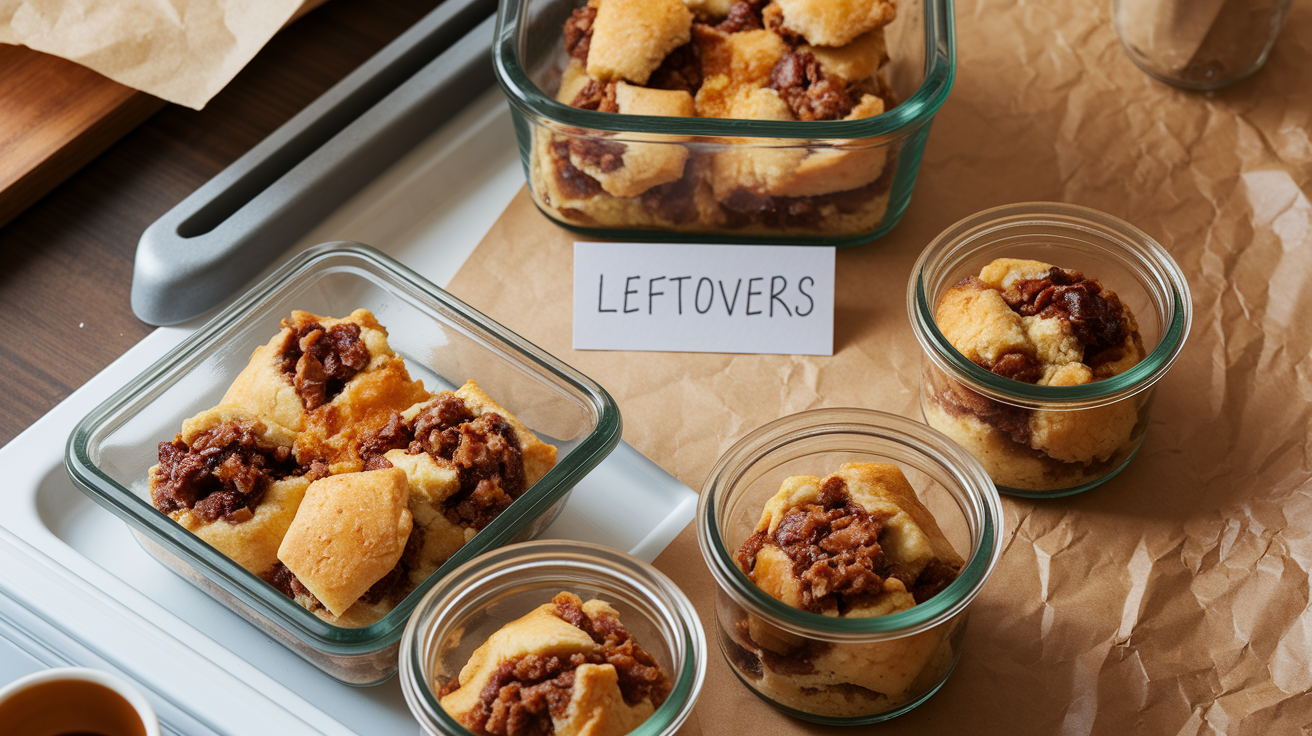
Leftover cobbler keeps in the refrigerator for 3–5 days in an airtight container or covered tightly with foil. Reheat individual portions in the microwave for 30–60 seconds, or warm the whole dish in a 350°F oven for 10–15 minutes until heated through. The topping will soften slightly in the fridge, but reheating crisps it back up, especially if you use the oven.
You can prep the peach filling ahead of time. Toss the sliced peaches with sugar, flour, and cinnamon, then cover and refrigerate for up to 24 hours before baking. Make the topping batter fresh when you’re ready to bake, because it loses its lift if it sits too long. Don’t fully assemble and bake the cobbler ahead of time if you want the best texture. Cobbler’s always better fresh. If you need to bake it early, store it covered at room temperature for a few hours and reheat gently before serving.
FAQs About Vegan Dairy-Free Peach Cobbler With Coconut Milk
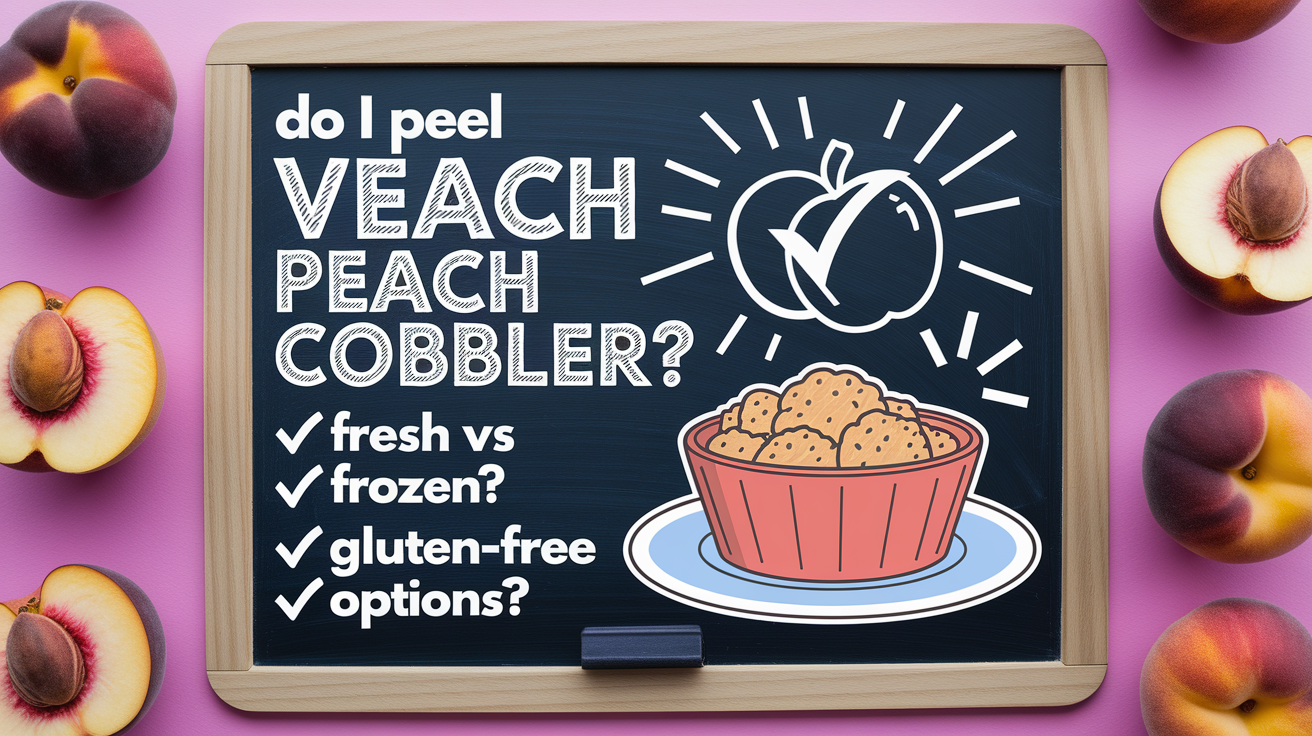
Do I have to peel the peaches? Peeling’s optional but recommended for smoother texture. Peach skins can turn chewy and curl up as they bake. Blanch whole peaches in boiling water for 30–60 seconds, then transfer to cold water and the skins slip right off.
Can I use frozen peaches? Yes, use frozen peaches straight from the freezer without thawing. Toss them with the sugar, flour, and cinnamon just like fresh. You may need to add 5 extra minutes to the bake time.
What about canned peaches? Canned peaches aren’t recommended because they’re too soft and packed in syrup, which makes the filling runny and overly sweet. If you must use them, drain them really well and skip the extra sugar in the filling.
Is there a gluten-free option? Swap the all-purpose flour for a 1:1 gluten-free flour blend. Avoid almond meal or single-grain flours. The texture will be slightly more tender and crumbly but still delicious.
What if my filling’s too runny? Let the cobbler rest for 15 minutes after baking so the juices thicken. If it’s still soupy, you may have used too much liquid sweetener or not enough flour/cornstarch in the filling. Next time, stick to granulated sugar and use the full 2 tablespoons of starch.
Can I make this soy-free? Yes, this recipe’s already soy-free if you use coconut milk, neutral oil or vegan butter (check the label), and a plant milk other than soy. Coconut milk, almond milk, or oat milk all work.
Why is my topping tough instead of tender? Overmixing the batter develops too much gluten, which makes the topping dense and chewy. Stir just until the wet and dry ingredients come together. Lumps are fine.
Final Words
Pull the cobbler from the oven when the filling is bubbling in the center and the topping is golden. You used peeled or frozen peaches, thickened the filling, dolloped a biscuit-style topping, and baked at 375°F for 30-35 minutes (or a bit longer for thicker batters).
Choose a 9×13, 8×8, or ramekin pan and let it rest 15 minutes so the juices set. Coconut milk keeps the batter creamy, and don’t overmix the topping.
This is a reliable vegan dairy free peach cobbler with coconut milk that’s crowd-ready and comforting. Enjoy.
FAQ
Q: What temperature and bake time should I use for a vegan coconut milk peach cobbler?
A: The cobbler bakes at 375°F for 30–35 minutes; thicker batter or larger pans may take 50–55 minutes. It’s done when the filling is bubbling and the topping is golden with browned spots.
Q: How much coconut milk do I use and can I swap it?
A: Use 1/2 to 3/4 cup coconut milk—3/4 cup makes a creamier topping. You can swap other full-fat plant milks but expect a slightly less rich texture than full-fat coconut milk.
Q: Can I use frozen or canned peaches, and how do I prep fresh peaches?
A: Frozen peaches work straight from the bag; canned peaches aren’t recommended unless well drained. For fresh fruit, blanch 30–60 seconds to loosen skins, then slice six peaches for the filling.
Q: How do I thicken the peach filling without dairy?
A: Thicken the filling by mixing 1/3 cup sugar with 2 tablespoons flour or cornstarch and tossing with the sliced peaches and cinnamon. Cook until it looks like thick jam, not watery.
Q: What makes a good biscuit-style vegan topping and how do I avoid overmixing?
A: A good topping uses flour, sugar, baking powder, salt, oil or melted vegan butter, and coconut milk. Mix until just combined, then dollop over the filling—don’t overmix for a tender, rustic crust.
Q: Which pan should I use and how does pan choice change baking time?
A: Use a 9×13, 8×8, or ramekins. Shallow, wider pans bake faster; deeper or smaller pans with thicker batter need up to 50–55 minutes. Look for bubbling juices and a golden top.
Q: How should I store, reheat, and make the cobbler ahead?
A: Store leftovers in the fridge 3–5 days and reheat in the oven to keep the topping crisp. You can assemble peaches ahead but avoid fully baking until serving for best texture.